The race toward smarter fleet management is here, and technology is in the driver’s seat.
Across Australia, businesses are rapidly embracing artificial intelligence (AI) and telematics to gain control over rising costs, improve safety, and meet sustainability demands.
Just recently, reports highlighted how the Australian fleet management market is projected to grow from $806.40 million in 2024 to $2,053.87 million by 2033, fueled by advanced technologies.
Real-time GPS tracking, predictive analytics, and AI-driven systems are no longer just add ons, they’re becoming essential tools for transport and logistics companies striving to stay competitive.
Recent Developments in Fleet Management After Adopting AI and Telematics
A 2025 survey of more than 500 fleet managers revealed a significant trend: over 60% of logistics companies now rely on telematics for predictive maintenance and compliance.
These insights mean fewer breakdowns, reduced downtime, and stronger regulatory alignment, critical advantages in an industry where efficiency equals profit.
AI and Telematics can be a life saver for truckies who risks their lives to complete their daily tasks.
Innovations are also reshaping ANCAP safety standards. AI dashcams and emergency braking systems protect drivers and reduce operational risks. These technologies are redefining real-time fleet operations.
Challenges for Fleet Managers not using AI and Telematics Tools
However, this rapid adoption hasn’t been without hurdles. One of the biggest issues fleet managers face today is data overload.
While telematics and AI generate valuable information, the sheer volume often leaves managers struggling to find actionable insights.
Do you know? Telematics and AI features can assist fleet managers from data overload.
Without the right tools, businesses risk missing critical signals, whether it’s identifying inefficient routes, flagging risky driver behavior, or tracking fuel wastage. The result? Lost opportunities to cut costs and improve performance.
Solution: Manage Vehicle Software with AI and Telematics Features
Built with AI and telematics at its core, MV helps transport and logistics businesses turn data into practical solutions. These include predictive maintenance, compliance tracking, and fuel optimization.
Manage Vehicle’s AI and machine learning features assists you with predictive maintenance, compliance tracking and fuel optimisation.
Manage Vehicle simplifies complex data and offers clear, real-time insights. This empowers managers to make smarter, faster decisions and ensure their fleets operate at peak efficiency.
Remember when running a fleet was about logbooks, gut feelings, and a prayer that everyone made it back safe? Those days are vanishing in the rearview mirror, replaced by telematics for real-time data insights.
Recently, the National Heavy Vehicle Regulator (NHVR) has been aggressively promoting its next-generation telematics and Intelligent Access Program (IAP), encouraging more operators to adopt certified systems for improved safety and mass management compliance.
This NHVR push actively shapes the future of Australian transport, connecting fleets, powering decisions with data, and making operations transparent.
Beyond the Black Box: Here’s How Telematics is Saving Lives
For too long, telematics was seen as just a “spy in the cab.” But for the modern transport business, it’s the most powerful safety tool ever invented. It’s not about monitoring your drivers, it’s about protecting them.
Real-time data analytics transforms raw information into actionable insights that prevent accidents before they happen.
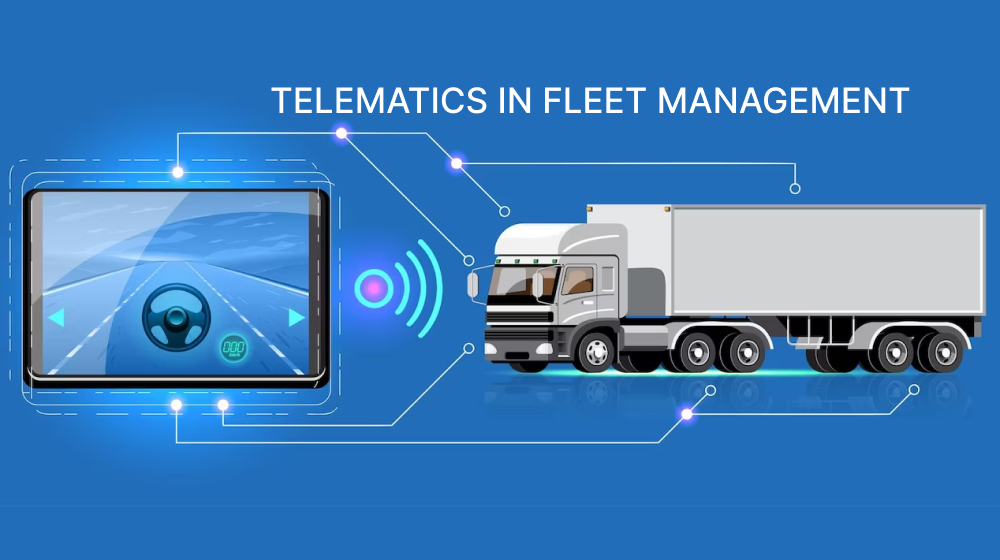
Telematics in fleet management plays an essential role in driver safety, and vehicle efficiency.
Imagine getting an instant alert when a driver exhibits harsh braking patterns on a notoriously dangerous stretch of the Pacific Highway. This isn’t just a notification; it’s an opportunity.
An opportunity to call that driver, check in on fatigue, discuss road conditions, and reinforce safe practices.
This proactive approach fosters a culture of safety, reduces insurance premiums, and, most importantly, ensures your team gets home to their families every night. It turns reactive hindsight into life-saving foresight.
The Profitability Puzzle: Turning Telematics Data into Profits
In an industry where margins are tighter than a drum, wasted fuel and inefficient routes are a direct hit to your bottom line.
Real-time data analytics is the key to unlocking hidden profits across your entire operation. It provides a crystal clear view of where every single dollar is being spent or wasted.
Think about idling time. An engine idling for just an hour a day can burn over $4,000 in fuel annually, per truck!
Australian truckies and operators must know that using telematics is for smooth road operations with cloud-integrated devices connected to the fleet for real-time data insights.
Telematics identifies this waste instantly. Furthermore, advanced analytics can optimise routes in real-time, accounting for traffic, weather, and road closures, slashing drive times and fuel consumption.
It empowers you to move from scheduled maintenance, which can lead to unnecessary downtime to predictive maintenance. Get alerts on vehicle health issues before they become a catastrophic, roadside breakdown, saving you thousands in emergency repairs and lost revenue.
Your All-in-One Command Centre: Compliance, Management, and Peace of Mind
Juggling logbooks, maintenance schedules, NHVR regulations, and driver credentials is a massive administrative burden. One paperwork error can lead to hefty fines and compliance breaches.
You need a system that does the heavy lifting for you, integrating every aspect of your operation into one seamless, cloud-based platform. This is where Manage Vehicle enters the picture. We’re more than just a telematics provider, we are your partners in performance.
Why Choose Manage Vehicle as Your Fleet Partner?
Run your entire business from a single dashboard with our all-in-one, secure cloud platform for fleet and compliance management.
Manage Vehicle automatically captures electronic work diaries (EWDs) to ensure strict NHVL compliance. It also streamlines vehicle registrations, insurance, and service histories to eliminate paperwork chaos.
Sign up for a demo session with Manage Vehicle and get a fantastic deal for your fleet business.
Access your secure cloud-based fleet data from anywhere, your Sydney office or Broome roadside, and take complete control with unparalleled peace of mind. It’s the command centre your fleet has been waiting for.
Ready to stop driving blind and start leading the pack? Don’t let your competitors leverage data first. Schedule a free, no-obligation demo of Manage Vehicle todayand discover how we can help you boost safety, maximise profitability, and simplify compliance for your Australian transport business.
The big switch in the freight and logistics industry is coming in 2026, and it’s accelerating faster than many expected. For transport operators and drivers, the future is not just on the horizon, it’s rolling into the depot today.
Right now, major logistics companies and forward-thinking operators are already trailing electric trucks on urban delivery routes and regional runs.
From the streets of Melbourne to the highways of Queensland, these zero-emission vehicles are proving their mettle, moving goods without a drop of diesel. This isn’t a distant dream; it’s a real-world testing phase that’s setting the stage for a nationwide transformation.
What’s Happening in Freight and Logistics Industry?
Australian freight and logistics industry is firmly in the pilot phase. Companies are deploying electric trucks for specific, suitable tasks like last-mile deliveries in metropolitan areas and fixed short-to-medium haul routes.
These electric trials are crucial. They’re helping manufacturers understand battery performance in our unique conditions and are giving fleets real data on running costs, maintenance, and charging cycles.
Australian freight and logistics industry is taking pace into transitioning the electric vehicles with the trial run.
You’re likely to start spotting these sleek, silent machines more frequently, they’re the vanguard of a cleaner, more efficient freight industry.
The Challenge: Roadblocks on the Australian Highway
Let’s be frank, this transition isn’t without its potholes. The two biggest hurdles are cost and infrastructure.
The upfront price of an electric truck is significant, and the national network of heavy vehicle charging stations is still in its infancy, creating serious “range anxiety” for interstate hauls.
Furthermore, Australia’s patchwork of state-based regulations presents a unique headache. The weight regulations change at each state border.
The real challenge for operators and drivers is high vehicle repairing cost and infrastructure in the process of EV transition.
Electric trucks, with their heavy battery packs, often weigh more than their diesel counterparts. This can lead to complex compliance issues, forcing operators to choose between carrying less cargo or facing potential penalties when crossing borders, a logistical nightmare that eats into profitability.
The Solution: Smarter Management for a Smarter Fleet
Navigating this new landscape requires more than just a new truck; it requires a new way of thinking. This is where Manage Vehicle comes in. We understand that your operation’s efficiency is paramount, especially when adopting new technology.
Get real-time insights into vehicle mass and dimensions. Plan routes with confidence, knowing our system helps you stay across varying state-based rules, reducing the risk of costly compliance breaches at weigh stations and borders.
MV Enhance Safety and Efficiency:
Our platform integrates seamlessly with advanced dash cameras and 4-channel fatigue and distraction detection AI cameras. It alerts drivers with seat vibrators to combat drowsiness, making every journey, especially long, unfamiliar electric routes safer.
Manage Vehicle is the solution to your freight and logistics with easy compliance, safety and efficiency within real-time vehicle navigation.
MV Gives Total Real Time Control:
Whether you’re in the office or on the road, the MV Driver and MV Operator apps give you live tracking of your vehicle’s location, battery status (integrated with telematics), and driver performance. Optimise routes, manage charging schedules, and maximise uptime.
Manage Vehicle turns the complexity of the electric fleet transition into a manageable, streamlined process, putting you firmly in control.
Manage Vehicle ensures you in this EV transition for smoother compliance, and real-time insights for your fleet.
The road to 2026 is being paved right now. Don’t get left behind in the dust of the diesel era. Embrace the future of freight with the management tools built to support it.
Ready to future-proof your fleet? Sign up for a 30-day free trial of Manage Vehicle today and experience how effortless the switch to smarter, compliant, and safer fleet management can be. Let’s navigate the electric future, together.
If you’re a truck driver or transport operator, you already know that vehicle tracking is like having a co-pilot that never sleeps.
It’s the backbone of modern fleet management, helping logistics businesses save time, cut costs, and keep everyone safe on the road. But what if I told you that your tracking system could do so much more?
While basic GPS tracking is great for knowing where your rig is, today’s advanced systems like Manage Vehicle offer features that go far beyond location updates.
These tools aren’t just about monitoring, they’re about empowering you to drive smarter, stay compliant, and protect your livelihood.
Let’s dive into three advanced features you might be missing out on, and why they’re game-changers for your daily operations.
1. Real Time Alerts to Keep Your Drivers Safe
Imagine having a guardian angel that whispers in your ear when risks pop up. That’s what real-time alerts feel like!
Manage Vehicle’s system monitors your vehicle’s movements and instantly notifies you of potential hazards, like excessive speeding, harsh braking, or idling.
These alerts aren’t just nagging reminders, they’re proactive tools to prevent accidents and reduce wear-and-tear on your rig.
Manage Vehicle provides you with fleet technology trend reports with real-time alerts to protect your fleet from any danger.
For example, if a driver exceeds the speed limit, the system triggers an alert via text or email, allowing you to address the issue before it becomes a problem. This is not building the culture of safety by evading fines only.
Organizations like the National Heavy Vehicle Regulator (NHVR) emphasize the importance of real-time monitoring to reduce incidents on Aussie roads.
With features like geofencing and after-hours activity alerts, you can also prevent unauthorized vehicle use and theft, giving you peace of mind whether you’re on the road or off the clock.
2. HD Video Footage for Evidence
Wish you had someone to side with when it comes to a he-said, she-said fight? HD dash cameras with GPS positioning are can solve your time and energy.
Manage Vehicle integrates AI-powered cameras that record crystal-clear footage of the road and cabin, complete with timestamps and location data. This isn’t just for catching bad drivers, it’s your best defense against fraudulent claims and insurance disputes.
Manage Vehicle shares solid evidences in HD video footage in case of any mishappenings on the road.
To explain, when an accident takes place, the system records the video and notifies immediately. This evidence will help in claiming the insurance and save your reputation.
Plus, with features like driver behavior tracking, you can review footage to coach your team on safer driving habits. As highlighted by Aussie road safety advocates, video telematics is a proven way to reduce accidents and promote accountability.
3. Seamless Integration with Compliance Tools
Let’s face it: compliance paperwork is a headache. But what if your tracking system could handle it for you?
Manage Vehicle seamlessly integrates with compliance tools like electronic logging devices (ELDs) and mass management systems, automating record-keeping and reducing manual errors. This means fewer hours spent on paperwork and more time on the road.
Manage Vehicle gives you seamless integration with compliance tools so that your transport or logistic business can run smoothly.
The system tracks critical data like driver hours, vehicle maintenance schedules, and axle weights, ensuring you meet NHVR standards effortlessly.
For example, it alerts you when registration is due or when a driver is nearing their shift limit, helping you avoid fines and stay within legal limits.
As one transport company named A2Z WORX noted, “Manage Vehicle has made a huge difference for us. The real-time tracking and driver safety features are spot on. We’ve had fewer incidents, and everything runs more smoothly. The support team is always there when we need them.”
Why Choose Manage Vehicle as Your Road Partner?
Running a fleet is not simply about moving between point A and point B, it is about running it safely, efficiently and compliantly. Manage Vehicle isn’t just another tracking system; it’s a partner that grows with your business. Here’s why it stands out:
Comprehensive Safety Tools: From real-time alerts to HD video, it prioritizes your safety on the road.
Regulatory Compliance: It simplifies compliance with NHVR and other regulatory bodies, so you’re always audit-ready.
User-Friendly Design: Designed for drivers, by drivers, the system is intuitive and easy to use, even for tech newcomers.
As endorsed by transport operators across Australia, Manage Vehicle helps you “boost safety through real-time alerts and optimize performance with data-driven insights”.
Whether you’re a solo owner-operator or part of a large fleet, this system adapts to your needs without locking you into long-term contracts.
Don’t Settle for Basic Vehicle Tracking
In today’s fast-paced transport industry, sticking to basic GPS tracking is like using a map when everyone else has a GPS, it works. But, you’re missing out on a world of efficiency and safety.
With Manage Vehicle, you’re not just tracking vehicles, you’re unlocking tools that protect your drivers, streamline compliance, and safeguard your business.
So, why wait? Embrace the future of fleet management and discover how these advanced features can transform your daily operations. Register a free quote now on your transport/logistic company and enjoy 30 days free trial.
Stay safe, stay compliant, and keep rolling strong!
While GPS provides valuable location data, Manage Vehicle creates an interconnected ecosystem of data points. We transform raw GPS coordinates into tangible results by integrating fleet diagnostics, driver behavior, real-time video analytics, and compliance tools into a single pane of glass.
Manage Vehicle is leading this charge, moving beyond simple tracking to deliver a holistic fleet management software that predicts problems, optimizes operations, and prevents costs.
At the heart of this is our integrated 4 channel smart dashcams with real time GPS, designed to actively prevent accidents, collisions, rollovers, and crashes before they happen.
“Manage Vehicle has made a huge difference for us. The real-time tracking and driver safety features are spot on. We’ve had fewer incidents, and everything runs smoothly. The support team is always there when we need them.” from A2Z WORX, our valued customer since 2021
Here’s How Manage Vehicle’s Fleet Tracking Ecosystem Works
Manage Vehicle’s suite of services is designed to be the central nervous system for your transport and logistics company. Here’s how each module delivers unparalleled value:
1. Smarter Transport Management:
Manage Vehicle fleet tracking system helps you to plan or dispatch and allocate drivers for smarter transport management. | Image Source: Delivery Solutions
From plan to dispatch traditional GPS shows you where a driver is after they’ve gotten lost. Manage Vehicle’s cloud-based system ensures they never get lost in the first place.
Plan or Dispatch: Dynamically assign jobs based on real-time vehicle location, traffic conditions, and driver Hours of Service (HoS) compliance. Our system optimizes routes for fuel efficiency and timely deliveries.
Allocate Drivers: Match the right driver to the right job based on skill set, certification, and current availability. Ensure your most qualified personnel are handling your most valuable shipments.
2. Proactive Fleet Maintenance:
Manage Vehicle assists you during vehicle inspection by storing your documents or permits into safe hands. | Image Source: Whip Around
Just predict, don’t react. A basic GPS unit can’t tell you a vehicle’s health. But, our dash camera sensors can.
Vehicle Inspection: Convert pre and post trip inspection to automated. Drivers can complete checks on their mobile app, flagging issues instantly for the maintenance team.
Fault Report: Real-time engine diagnostic data alerts you to fault codes the moment they appear, from engine malfunctions to low tire pressure.
Vehicle Repair: Automatically generate repair tickets and assign them to your preferred mechanics based on the fault reports. Track repair status and history for each vehicle to maintain pristine maintenance records and maximize asset lifespan.
3. Simplified Compliance Regulation:
Manage Vehicle’s cloud-driven system saves truck drivers from penalties during vehicle inspection and provides training and toolbox to meet compliance regulation. | Image Source: Fleetworthy Solutions
Stay audit-ready and avoid the massive costs of violations with tools built to follow Australian transport regulation.
Training & Toolbox: Provide and administer required modules of driver training and safety toolbox talks directly into the driver application. To check that the track is done to make sure you are consistently upto date.
Non Compliance Alerts: Receive instant alerts for potential compliance breaches, such as impending HoS violations, missed inspections, or expired driver certifications.
Incident Report: In the event of an incident, our system becomes your best ally. Automatically collate data, including triggered video footage from the 4 channel dashcam, GPS location, speed, and G-force impact data, to create a comprehensive, indisputable report for insurers and authorities.
Our 4 Channel Smart Dashcam with Integrated GPS for Fleet Tracking
This is where Manage Vehicle truly separates from the pack. Our cloud-integrated 4-channel smart dashcams is more than a recorder. It’s a proactive safety co-pilot integrated directly into our real-time GPS tracking system.
360Degree Awareness: Monitor the road ahead, the driver cabin, and both blind spots simultaneously.
Real Time Incident Prevention: Using advanced AI, the dashcam analyzes video in real-time to detect and warn against risky behaviors like distracted driving, fatigue, tailgating, and lane departure.
Crash Reconstruction: In the event of a collision, rollover, or crash, the system immediately saves footage from before, during, and after the event, providing irrefutable context that protects your drivers and your business from fraudulent claims.
Let’s take glimpse into this video…
By combining live video analytics with precise GPS and vehicle data, we don’t just track your fleet; we actively work to make it safer, smarter, and more efficient.
Don’t Just Track Your Fleet, Transform It!
The future of fleet management isn’t about choosing between GPS and IoT. The future is about integrated, intelligent solutions that leverage the best of both.
GPS provides the foundation of the location, whilst Manage Vehicle app provides the environment, the insight and the control that delivers ROI (return on investment) for your transport business.
Manage Vehicle is that future, today. We provide a unified platform that empowers transport and logistics companies to move beyond reactive tracking and into the realm of predictive, proactive management.
“MV’s real time tracking has helped us streamline our operations, and the team is always there to support us when we need it. Definitely recommend!” by Jaswant Tiwana from Tiwana Transport
Ready to stop just tracking and start transforming?
Give your fleet a real vehicle management solution. Also, get a free trial of the Manage Vehicle app today and get a quote for your transport-logistics business where there’s no obligation for you.
So, let’s find out what you can do to increase savings, safety, and less fuel consumption in your transport and logistic business.
Telematics technology brings fleet management to another level besides telecommunication and associated informatics in collecting real-time data about vehicles, including location, the behaviour of the driver, and engine diagnostics.
Telematics integration for your fleet is a powerful enabler for efficiency, safety, and cost savings.
With telematics, fleet management has a different view of operations. So, they can use data analysis to improve overall performance and get feedback on satisfaction.
Does Your Fleet Have Telematics?
Integrating telematics into your fleet management strategy involves several steps, from selecting the right system to training your staff.
This process offers numerous advantages. From real-time tracking to predictive maintenance, vehicle monitoring systems present tools to improve operational efficiency and reduce costs.
Telematics helps to secure your fleet and reduces vehicle maintenance costs. | Source: QodeNext
Understanding the specific benefits of telematics can help you determine how this technology can meet your fleet’s unique needs. For instance, telemetry can help you optimise routes for faster deliveries if you operate a delivery fleet.
When combined with a vehicle fleet, telematics delivers the outcome of observation of various equipment usage and maintenance requirements.
Enhance Fleet Efficiency with Telematics
Telematics systems enable fleet managers to monitor vehicle locations in real time, facilitating optimised route planning and dispatching. This GPS vehicle tracking system offers timely deliveries, reduces fuel consumption, and fewer extra miles travelled.
Also, the data will show fleet usage patterns and aid in resource allocation and improved productivity.
That’s how telematics works with your fleet vehicle by monitoring with cellular/satellite network through servers to real-time truck and driver tracking. | Source: Microlise
In addition, telemetry generates clear views of the driver’s behaviour, allowing companies to find out and train their drivers on areas such as idling times and uneven braking. By clearly driving, the fleet can save fuel and reduce vehicle wear for extended life.
Improve Safety and Compliance through Telematics
Safety is considered the best aspect of fleet management, and telematics makes this very effective. Through careful monitoring of driving behaviour, it shall be able to reveal any unsafe practices, pacing up, or harsh braking, in which case managers will be able to intervene.
With this, there will be an apparent risk reduction in accident-related incidents and improved fleet culture safety. These telemetry technologies make fleets safer and help fleet managers comply with regulations. Not only that, it alleviates administrative burdens.
Automated logging of driving hours and vehicle inspections will ensure compliance with the industry regulations whilst lowering the risk of violations or the penalties associated with such. It would free both drivers and managers to concentrate on their main activities.
Reduce Operational Costs with Telemetry Integration
Telematics will save fleet operations a lot of money. Real-time monitoring of the health of a vehicle allows for predictive maintenance and problems to be solved before they cause a significant expense.
This proactive maintenance approach minimises downtime and extends vehicle longevity. Furthermore, telemetry data helps optimise fuel consumption by identifying inefficient driving behaviours and improving route planning.
Telematics reduces operational costs with its integration. | Source: Uffizio
Fleets can achieve a more favourable bottom line by reducing fuel expenses and maintenance costs.
Enhance Customer Satisfaction with Remote Monitoring
Telematics technology is a great facilitator for fleet providers to give their customers precise delivery indications and real-time updates. While keeping customers informed about deliveries, this transparency increases satisfaction.
Furthermore, the efficiency of telemetry regarding route planning has continued to strengthen customer trust and loyalty by enabling on-time delivery of orders to customers.
Manage Vehicle Telematics enhances customer satisfaction with its remote monitoring system. | Source: Verizon Connect
Also, vehicle tracking assists with speedy communications and quick fixes whenever delays and issues arise. So, ensuring a demonstration of efficient customer service. Using telematics in fleets can build a bond with customers.
Manage Vehicle Telematics Vehicle Tracking System
It is crucial to treat telematics vehicle tracking systems with effectiveness so that remote monitoring solutions can benefit your fleet maximally. Regular review of telemetry data helps identify trends and areas for improvement, enabling timely decisions.
Fleet managers can teach staff to use remote monitoring tools for smooth operations. However, telemetry is not a panacea with universal application; it requires careful preparation, installation and continued management.
Additionally, staying updated with advancements in telemetry technology allows fleets to adopt new features that can further enhance operations. Fleets can improve efficiency, safety, and customer satisfaction by actively managing the vehicle tracking system.
Quick answer: Fleet telematics combines GPS location data with vehicle diagnostics (engine data, fuel use, driver behaviour) transmitted in real time to a central platform. It’s broader than plain GPS tracking – telematics tells you not just where a vehicle is, but how it’s being driven, how efficiently it’s running, and increasingly, whether your fleet is compliance-audit-ready.
Telematics in fleet management combines GPS location data, vehicle diagnostics, and driver behaviour data into a single system fleet managers can act on in real time – turning a fleet from a set of vehicles you hope are doing the right thing into one you can actually see and manage.
How Fleet Telematics Actually Works
At its core, a telematics system pairs a vehicle-installed device with software that collects and processes the data it generates. The device combines GPS positioning with onboard diagnostics – engine data, speed, fuel consumption, harsh braking or acceleration – and transmits it over a cellular network to a central platform.
GPS positioning itself relies on signals from global navigation satellite systems (GNSS) – the US-operated GPS constellation is the most familiar, though modern receivers often draw on multiple systems for improved accuracy. Fleet managers view the resulting data as live maps, historical reports, and automated alerts, rather than having to physically check in with drivers or wait for a vehicle to return to base.
Types of Telematics Hardware
Not all telematics hardware works the same way, and the option that fits depends on fleet type:
OBD-port plug-in devices – connect directly to a vehicle’s onboard diagnostics port, generally the fastest and least invasive to install, common on lighter commercial vehicles.
Hardwired units – installed directly into the vehicle’s wiring, typical for heavy vehicles and trucks where a more permanent, tamper-resistant installation is preferred
Asset trackers – battery-powered, non-wired devices used for trailers, equipment, and other assets that don’t have their own ignition or engine to draw power from
Integrated in-cabin systems – combine GPS/telematics with driver-facing cameras and displays, increasingly common where fatigue and distraction monitoring is bundled with core tracking
The right hardware choice affects both installation cost and what data is actually available – a basic OBD plug-in typically can’t support the same depth of driver-facing monitoring an integrated in-cabin system can.
What Telematics Data Actually Includes
Location and route history – where a vehicle is now and where it’s been
Driver behaviour – speeding, harsh braking, idling, and other patterns that affect both safety and running costs
Vehicle health – engine diagnostics that can flag maintenance needs before they become breakdowns
Fuel consumption – actual usage patterns, not just fuel card totals
5 Ways Telematics Improves Fleet Management
1. Better Route Efficiency
Telematics doesn’t just show drivers where to go – it calculates the most efficient path based on live traffic, distance, and delivery sequence, while tracking fuel usage, idling, and driver behaviour alongside route data for a fuller picture of where time and fuel are actually being spent.
2. Lower Operating Costs
Less time in traffic and fewer unnecessary kilometres translate directly into lower fuel spend – one of the largest line items in any fleet’s operating budget. Combined with reduced idling and optimised routing, telematics gives fleet managers a concrete lever to pull on cost.
3. Stronger Customer Relationships
Accurate, telematics-backed ETAs let transport businesses commit to delivery windows with real confidence rather than best-guess estimates – predictability that compounds into customer retention over time.
4. Insurance and Risk Benefits
Insurers increasingly factor telematics data into commercial vehicle premiums – fleets that can demonstrate consistent, monitored driving behaviour are often viewed as lower risk, with fewer opportunities for the kind of incidents that drive up claims history.
5. Better-Informed Budgeting
Telematics data compounds over time – daily, weekly, and monthly records let fleet managers build budgets based on actual historical consumption and cost patterns, rather than rough estimates.
Telematics and Compliance
Beyond operational efficiency, telematics data increasingly serves as compliance evidence under the HVNL. Digital records – location history, driving hours, vehicle inspection data – are far better positioned to demonstrate an “Operating and Effective” Safety Management System under the new PSOE audit standard than paper-based logs, since they produce a genuine, timestamped record rather than a static document.
Choosing a Telematics Provider
Beyond raw features, the practical decision usually comes down to a few factors: whether the platform supports Australian compliance requirements out of the box, whether hardware installation and support is genuinely local, and whether the data integrates with systems you already run – fuel cards, maintenance scheduling, accounting. For a full breakdown of what to evaluate, see our guide on choosing GPS fleet tracking software in Australia.
The Bottom Line
Telematics turns fleet management from a reactive, after-the-fact process into a live, data-driven one – with direct payoffs in cost, safety, customer experience, and now, compliance evidence. For a deeper look at how telematics specifically supports Chain of Responsibility obligations, see our guide on telematics as compliance evidence.
FAQ
What’s the difference between GPS tracking and telematics?
GPS tracking shows location only. Telematics combines GPS with vehicle diagnostics, driver behaviour, and fuel data – a much fuller picture than location alone. See our dedicated comparison for the full breakdown.
Does telematics help with NHVR compliance?
Yes. Telematics data – location, driving hours, engine data – increasingly serves as digital evidence supporting Chain of Responsibility obligations and the new PSOE audit standard, which favours timestamped digital records over paper logs.
How much does fleet telematics typically cost?
Costs vary by hardware, number of vehicles, and feature set – factor in installation, contract length, and per-vehicle scaling fees, not just the headline monthly price.
Do I need telematics if I already have a fuel card program?
Fuel cards show spend; telematics shows the why – actual consumption per vehicle, idling time, and route efficiency – which is what lets you actually act on fuel costs rather than just observe them.
Is telematics only useful for large fleets?
No – even small fleets benefit from route efficiency, theft/security visibility, and (increasingly) audit-ready compliance records, though the ROI scales with fleet size.
What type of telematics hardware do I need?
It depends on the asset – OBD plug-ins suit light commercial vehicles, hardwired units suit heavy vehicles needing tamper-resistant installation, and asset trackers suit trailers or equipment without their own power source.
How does GPS positioning actually work?
GPS receivers calculate location using signals from satellites in global navigation satellite system (GNSS) constellations, timing how long each signal takes to arrive to triangulate a precise position – the same underlying technology across consumer, survey-grade, and fleet telematics devices.
GPS fleet management combines the power of GPS tracking and telematics to boost fleets. Fleet managers can easily track vehicles’ locations and speeds using GPS. Telematics devices provide important information about engines and safety.
“A wealth of data is collected through GPS fleet management software.”
This software is highly beneficial. It contributes to better maintenance practices, enhanced safety measures, and improved fuel efficiency. With GPS fleet management, fleets have the opportunity to make substantial improvements.
Also;
By implementing GPS Fleet Management, businesses can achieve numerous advantages. They can enhance operational efficiency, decrease operational costs, which include fuel expenses and maintenance, enhance customer service by providing accurate delivery estimates, elevate driver safety, and optimise the overall performance of their fleet.
What Is GPS Fleet Management?
GPS Fleet Management, also known as Fleet Tracking or Vehicle Tracking Software. It is a technology-based system that uses GPS fleet tracking technology and telematics to track and manage a fleet of vehicles in real time. This system involves the use of GPS devices installed in vehicles, along with software and communication technologies, to monitor and control various aspects of a fleet’s operations. It offers numerous benefits to businesses and organisations that rely on a fleet of vehicles for their operations, such as transportation, logistics, delivery services, public services, and more.
To truly understand GPS fleet management, it’s essential to be familiar with its building blocks—GPS, telematics, GPS fleet tracking, and fleet management software.
What is GPS?
GPS, which stands for Global Positioning System, is a remarkable technology that helps us figure out where we are on Earth. Imagine having a magical map that can tell you exactly where you are, whether you’re on a road trip, hiking in the mountains, or even flying in an airplane. That magical map is what GPS provides.
What Is GPS Fleet Tracking?
GPS fleet tracking is a technology that uses GPS (Global Positioning System) to monitor and trace the movements and activities of vehicles within a fleet. It’s like having a watchful eye on all the vehicles, whether they’re delivery trucks, service vans, or any other vehicles used by a company or any industry.
GPS fleet tracking uses GPS receivers inside fleet vehicles to keep tabs on where they are, how fast they’re going, the routes they’re taking, and more. This data gets sent to the fleet manager. They can look at it to figure out how the drivers are doing, make sure they’re not driving dangerously, and make the vehicles work better.
What is Telematics in Fleet Management?
Fleet telematics is a technology that combines GPS (Global Positioning System) with communication technology to collect, transmit, and manage information from vehicles in a fleet. It’s like having a smart connection that gathers data from these vehicles and shares it with a central system for analysis and decision-making.
What Is Fleet Management Software?
Fleet management software is a specialised computer program designed to help businesses and organisations efficiently manage and oversee their fleet of vehicles. Fleet Management Software is like a digital control center that provides tools and features to track, analyse, and optimise various aspects of fleet operations. This software simplifies the complex task of managing multiple vehicles by providing a centralised platform for information and decision-making.
Fleet management software serves as a powerful tool for businesses to keep track of their vehicles, enhance efficiency, reduce operational costs, improve safety, and ultimately ensure the smooth operation of their fleet.
Advantages of GPS Fleet Management Software
GPS fleet management software offers a wide range of benefits to businesses and organisations that rely on vehicle fleets for their operations. Here are some key advantages:
Real-Time Tracking:
GPS fleet management software provides real-time visibility of vehicle locations, allowing fleet managers to monitor their entire fleet on a digital map. This helps improve coordination, track progress, and respond quickly to unexpected changes.
The software suggests the most efficient routes for vehicles based on traffic conditions, road closures, and other factors. This reduces travel time, fuel consumption, and operational costs.
Reduced Fuel Costs:
By optimising routes and minimising unnecessary idling, GPS fleet management software helps reduce fuel consumption, leading to significant cost savings over time.
Improved Customer Service:
Accurate tracking and real-time updates enable accurate delivery estimates, enhancing customer satisfaction by providing transparency and reliability.
Enhanced Safety:
The software can monitor driver behavior, such as speeding, harsh braking, and sudden acceleration. This encourages safer driving habits, reduces accidents, and enhances driver and public safety.
Maintenance Management:
GPS fleet management software can track vehicle health, predict maintenance needs, and schedule maintenance tasks. This proactive approach reduces vehicle downtime and extends its lifespan.
Better Resource Allocation:
With insights into vehicle utilisation and availability, fleet managers can allocate resources more effectively, ensuring optimal use of the fleet.
Productivity Boost:
Streamlined operations, improved scheduling, and reduced paperwork lead to increased productivity for drivers and back-office teams.
Compliance Assistance:
The software can help manage compliance with regulations related to driver hours, rest periods, and vehicle maintenance. This is particularly important for industries with strict regulatory requirements.
Data-Driven Insights:
GPS fleet management software generates reports and analytics that provide valuable insights into fleet performance, driver behavior, and operational efficiency. This data informs strategic decisions for continuous improvement.
Geofencing:
The software allows the creation of geofences, triggering alerts when vehicles enter or exit specific areas. This helps monitor vehicle movements and enforce territorial restrictions.
Reduced Unauthorised Use:
With real-time tracking and alerts, the software helps prevent unauthorised vehicle use, deterring theft or misuse.
Customisable Alerts:
Fleet managers can set up customised alerts for various events, such as maintenance reminders, excessive idling, and entry into restricted zones.
Cost Control:
By optimising routes, reducing fuel consumption, and minimising vehicle wear and tear, GPS fleet management software contributes to overall cost control and better financial management.
In summary, GPS fleet management software transforms fleet operations by increasing efficiency, reducing costs, improving safety, and providing actionable insights that drive better decision-making.
Final Words on GPS Fleet Tracking Software:
In the world of managing vehicle fleets, GPS fleet tracking software is like a super tool that brings lots of good things. It has changed how businesses handle their vehicles, making things better in many ways. With this software, companies can know where their vehicles are all the time, which helps them make smart choices.
As technology keeps growing, GPS fleet tracking software will keep making fleets run smoother and better. It’s like having a smart partner for all the journeys ahead.
Looking for Top GPS Fleet Management Software? Contact Manage Vehicle!
Is Fleet Management Software beneficial for Small Businesses? In today’s fast-moving business world, effectively managing your fleet of vehicles is important for staying ahead, whether you’re a small or large company. Small businesses, especially, need to make sure their fleet operations are running smoothly to save money, boost productivity, and make sure deliveries or services happen on time. This is where fleet management software and telematics can make a big difference. They bring a bunch of benefits that can really change how small fleet businesses take care of their group of vehicles.
Explore fleet management software for small businesses. Optimise operations, enhance efficiency, and ensure timely services. Learn more now!
Understanding Fleet Management Software and Telematics
Fleet management software is a comprehensive tool designed to simplify and streamline various aspects of fleet operations. It involves using technology to gather, analyse, and leverage data from vehicles in real-time. Telematics, on the other hand, involves the integration of telecommunications and informatics to enable the remote exchange of information related to vehicle behavior and performance.
Top 6 Benefits for Small Businesses
Here are 6 key advantages that small businesses can enjoy by incorporating fleet management software into their operations and industry:
1. Cost Savings
One of the primary advantages of implementing fleet management software is cost savings. Small businesses can efficiently track fuel consumption, monitor vehicle maintenance schedules, and identify inefficiencies, helping to reduce operational expenses significantly.
2. Enhanced Productivity
Fleet management solutions offer real-time GPS tracking, allowing businesses to monitor vehicle locations, routes, and traffic conditions. This information enables smarter route planning, leading to optimised delivery schedules and increased productivity.
3. Timely Deliveries and Services
For businesses that rely on timely deliveries or services, fleet management software ensures that vehicles are on track and deliveries are made promptly. This not only enhances customer satisfaction but also builds a reputation for reliability.
4. Improved Driver Management
Fleet management solutions provide insights into driver behavior, including speeding, harsh braking, and idling. This information empowers small business owners to address unsafe driving habits and provide training where necessary, promoting safer driving practices.
5. Maintenance Management
Regular vehicle maintenance is essential to prevent breakdowns and extend the lifespan of vehicles. Fleet management software can automate maintenance schedules, issue reminders, and even diagnose vehicle issues in advance, reducing downtime.
6. Geo-fencing and Real-time Tracking
With GPS and geo-fencing capabilities, businesses can define virtual boundaries for their vehicles. This feature alerts fleet managers if a vehicle deviates from its assigned route or enters a restricted area, enabling quick action in case of emergencies or unauthorised use.
Choosing the Right Software for Small Fleet
When selecting a fleet management solution for a small business, it’s crucial to consider factors such as scalability, ease of use, and customer support. Look for software that offers a user-friendly interface, customisable features, and integration with other business tools.
Also, choosing fleet management solution for your small business is a decision that can greatly impact your operations.
Here’s a guide on how to select the ideal solution tailored to your small fleet’s needs:
#1: Scalability
Ensure that the software can grow with your business. As your fleet expands, the solution should accommodate the increasing number of vehicles and data without compromising performance.
#2: Ease of Use
Opt for a solution with an intuitive interface that doesn’t require extensive training for your team to start using it effectively. A user-friendly platform will save time and reduce the learning curve.
#3: Customisation
Every business is unique, so the software should allow customisation to suit your specific requirements. Look for a solution that lets you tailor features and settings according to your fleet’s operations and goals.
#4: Integration Capability
Seamless integration with other business tools and software you already use is crucial. This helps to centralise data and streamline processes, preventing information silos and reducing manual data entry.
#5: Comprehensive Reporting
The solution should provide detailed and actionable reports. Access to accurate data about fuel consumption, maintenance schedules, driver behavior, and more will enable informed decision-making.
#6: Real-time Tracking and Alerts
Ensure the software offers real-time GPS tracking, geo-fencing, and alerts. These features keep you updated on vehicle locations and deviations from routes, enabling prompt responses to unexpected situations.
#7: Maintenance Management
Look for a solution that automates maintenance scheduling and alerts. Preventive maintenance can extend the lifespan of your vehicles and reduce unexpected breakdowns.
#8: Customer Support
A responsive and helpful customer support team is essential. Technical issues or questions can arise, and having dependable support ensures you get the most out of the software.
#9: Data Security
Your fleet’s data is sensitive and valuable. Make sure the software provider follows robust security protocols to safeguard your information from breaches or unauthorised access.
#10: Reviews and Recommendations
Research and read reviews from other small businesses that have used the software. Their experiences can provide insights into how well the solution fits your needs.
#11: Cost-effectiveness
While it’s important to invest in quality software, consider the cost in relation to the benefits it offers. The solution should offer a good return on investment through improved efficiency and reduced costs.
By carefully considering these factors, you can confidently choose a fleet management solution that aligns with your small business’s goals, enhances your operations, and contributes to overall growth.
Conclusion
In the world of small business, efficiency and effectiveness are paramount. Fleet management software and telematics offer an integrated solution that empowers small businesses to optimise their fleet operations, reduce costs, enhance productivity, and ensure timely deliveries or services. By leveraging these advanced technologies, small businesses can stay competitive, build customer trust, and pave the way for sustainable growth in a dynamic market.
Investing in a robust fleet management solution is no longer a luxury; it’s a necessity for small businesses aiming to thrive in today’s highly competitive business environment. With features ranging from real-time GPS tracking and geo-fencing to maintenance management and driver behavior analysis, these tools offer a comprehensive solution to the challenges faced by fleet managers in both small and large enterprises alike.
If you’re on the hunt for the top fleet management software solution and want to understand both the basics and advanced features, you have landed on the right page.
We’re here to help you thoroughly understand why choosing a top-tier solution is really important for your fleet and your business.
We’ll also guide you through the realm of fleet management software, explaining every important detail you need to know.
Whether you’re focused on boosting operational efficiency, prioritising driver safety, ensuring regulatory compliance, or harnessing the power of cutting-edge technology, we’re here to guide you through the realm of top-notch fleet management software.
But first, let’s start by understanding;
What is Top Fleet Management Software?
Fleet Management Software (FMS) is a specialised type of software designed to help organisations efficiently manage and monitor their fleet of vehicles, equipment, or assets.
This software provides a centralised platform for tracking various aspects of fleet operations, including vehicle maintenance, fuel consumption, driver behavior, scheduling, route optimisation, and more.
It is particularly useful for businesses or organisations that rely heavily on a fleet of vehicles, such as transportation and logistics companies, delivery services, construction firms, government agencies, and more.
“Fleet Management Software helps organisations optimise their fleet operations, reduce costs, improve safety, and enhance customer satisfaction by providing a comprehensive toolset for monitoring and managing their vehicles and assets.”
The Role of Top Fleet Management Software
Fleet management software is used by organisations that operate a fleet of vehicles, such as trucks, cars, buses, heavy vehicles, or even ships and airplanes.
The primary purpose of using fleet management software is to efficiently manage and optimise various aspects of the fleet’s operations, leading to improved productivity, cost savings, safety, and compliance.
Real-time tracking via GPS technology is a cornerstone feature of Fleet Management Software (FMS), enabling instant monitoring of vehicle locations.
This functionality empowers fleet managers to make swift, informed decisions by visualising vehicles’ positions on a digital map.
Coupled with geofencing, where virtual boundaries are set, FMS alerts managers when vehicles enter or exit specific zones, facilitating timely interventions.
This integration not only enhances route efficiency for on-time deliveries but also fosters driver accountability and resource optimisation, revolutionising how fleet operations are streamlined and managed.
Speeding/Reckless Driving Alerts
The fleet management software’s Speeding/Reckless Driving Alerts ensure safety. It instantly notifies fleet managers of any instances of excessive speed or reckless driving behavior exhibited by fleet drivers.
By monitoring and flagging such incidents, this feature helps ensure driver safety, reduce accidents, and promote responsible driving practices, contributing to overall operational efficiency and the well-being of both drivers and vehicles.
Route and Location History
Route and Location History stands out as a top feature in fleet management solutions.
It furnishes fleet managers with a detailed record of routes taken by fleet drivers, aiding in route optimisation, ensuring compliance with designated paths, and boosting operational transparency.
This collaborative tool fosters enhanced communication between fleet managers and drivers, ultimately elevating fleet performance and overall efficiency.
Services and Maintenance Reminders
A key feature of FMS is its capacity to carefully plan and monitor routine maintenance and service tasks. This includes oil changes, tire rotations, and thorough inspections, all falling within its scope.
The result? fleet vehicles are maintained consistently, leading to reduced downtimes and minimised repair costs.
Remote Engine Shut-off System
The Remote Engine Shut-off System offers enhanced control over vehicle operations. This innovative technology allows fleet managers to remotely deactivate vehicle engines, providing an effective measure against unauthorised use and theft.
By empowering swift and secure engine shut-off, this feature not only safeguards assets but also promotes operational security and efficiency.
Whether for emergency situations, compliance enforcement, or maintenance purposes, the Remote Engine Shut-off System stands as a valuable tool that elevates the management and security of fleet assets.
Smart Dashcams
Integrate the power of smart dashcams into your fleet management software for enhanced control and insights.
Smart dashcam features offer real-time recording and event-triggered footage, providing a comprehensive view of incidents such as aggressive driving and speeding.
With these advanced capabilities, you can proactively improve safety, monitor driver behavior, and optimise fleet operations for a more efficient and secure management experience.
ECM tracking/ Speed Buzzers
Experience heightened fleet management with ECM Tracking and Speed Buzzers features. ECM Tracking provides real-time engine insights, optimising maintenance, and reducing costs.
Speed Buzzers alert drivers to preset speed limits, fostering responsible driving and enhanced road safety. These integrated tools ensure top fleet performance, driver well-being, and operational excellence.
Temperature Tracking
A temperature tracking solution is a comprehensive system that monitors and maintains the temperature of temperature-sensitive goods during transportation.
It benefits your industry by ensuring product quality, compliance with regulations, reducing spoilage, and enhancing customer satisfaction.
Why Opt for a Leading Fleet Management Solution?
Selecting the right fleet management solution is paramount to the efficiency and effectiveness of your operations. Opting for a top-tier solution offers a multitude of advantages that directly impact your business’s success.
Firstly, (Reason to Choose the Top Fleet Management Software for Small Businesses and Large Businesses)
Best fleet management solutions come equipped with a comprehensive set of features that result from extensive research and development.
This software is designed to address the multifaceted challenges of modern fleet management, including route optimisation, vehicle maintenance, driver safety, and regulatory compliance.
By choosing a top solution, you gain access to advanced tools such as real-time GPS tracking, predictive maintenance analytics, and data-driven insights that enable informed decision-making.
Secondly, (Reason to Choose Leading Vehicle Fleet Management Software)
Top solutions are known for their user-friendly interfaces and seamless integration capabilities. This facilitates quicker adoption by your team, reducing the learning curve and ensuring swift implementation.
Likewise, the ability to integrate with existing systems streamlines data flow across your organisation, fostering a more cohesive and efficient workflow.
Safety is a paramount concern in fleet management, and reputable solutions excel in this regard. They offer features such as driver behavior monitoring, immediate alerts for unsafe practices, and resources for driver training improvement.
Prioritising safety not only protects your drivers and assets but also upholds your company’s reputation within the industry. Moreover, compliance with regulations is non-negotiable in fleet management.
Top solutions proactively stay updated with the latest regulatory changes, offering functionalities that simplify compliance reporting, record-keeping, and adherence to regulations such as hours-of-service.
So, this proactive approach minimises legal risks and administrative burdens, allowing you to stay focused on your core operations.
Top 7 Benefits of Using Fleet Management Software
Enhanced Efficiency: Fleet management software streamlines operations by providing real-time insights into vehicle locations, fuel consumption, and maintenance needs, allowing companies to optimise routes and schedules for maximum efficiency.
Cost Savings: By optimising routes, reducing idle times, and monitoring fuel consumption, fleet management software helps cut down operational costs, leading to improved profitability.
Real-time Tracking: The software enables real-time tracking of vehicles, ensuring accurate monitoring of driver behavior, location, and vehicle conditions, enhancing security and accountability.
Maintenance Planning: Predictive maintenance features help schedule timely vehicle maintenance, preventing breakdowns and costly repairs, thus extending the lifespan of vehicles.
Compliance and Safety: Fleet management software assists in tracking driver behavior, promoting safer driving practices, and ensuring compliance with transportation regulations, reducing the risk of accidents and legal issues.
Customer Satisfaction: Optimised routes and accurate arrival time predictions enhance customer experience by minimising delays, improving on-time deliveries, and building trust.
Remote Management: Managers can monitor and control fleet operations remotely, facilitating quicker responses to unexpected situations and improving overall operational flexibility.
Why Choose Top Fleet Management Software with Manage Vehicle?
Choosing a top fleet management software is an investment in your business’s long-term success. The benefits encompass enhanced operational efficiency, substantial cost savings, heightened safety measures, and seamless regulatory conformity.
Opting for a market-leading solution ensures your fleet management processes are prepared for current challenges. So, it also equips them to handle future demands.
If you are really want to explore more features of our top fleet management software, then please contact us!