Vehicle Telematics Software That Reads Your Fleet's Engine Data
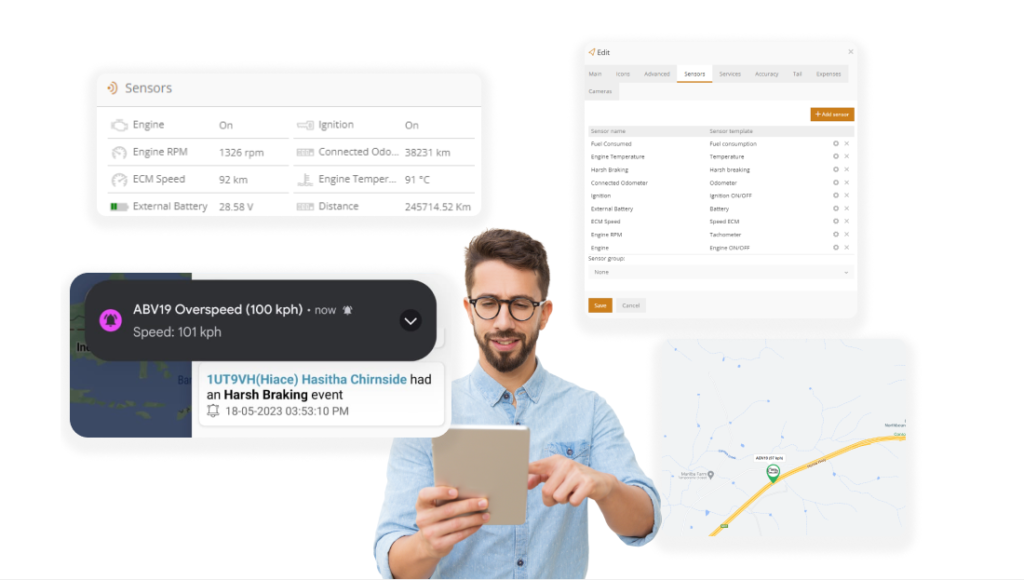
ManageVehicle's vehicle telematics software pulls engine hours, odometer, fuel use, faults and speed straight from your vehicles. Your team spots problems early, services on time and coaches drivers with real data.
What changes when your vehicles start reporting their own health.
BEFORE MANAGE VEHICLE
Manual, fragmented and reactive
Chasing drivers for odometer photos before a service
Warning lights reported days after they came on
Finding out about speeding when the fine turns up
Fuel use that only shows up on the monthly bill
Idling nobody can see or measure
AFTER MANAGE VEHICLE
Connected, live and proactive
Odometer and engine hours read straight from the vehicle
Fault data flagged as it comes through
An in-cab speed buzzer warns the driver in the moment
Fuel use per vehicle, tracked from engine data
Idle time reported by vehicle and driver
What Is Vehicle Telematics Software?
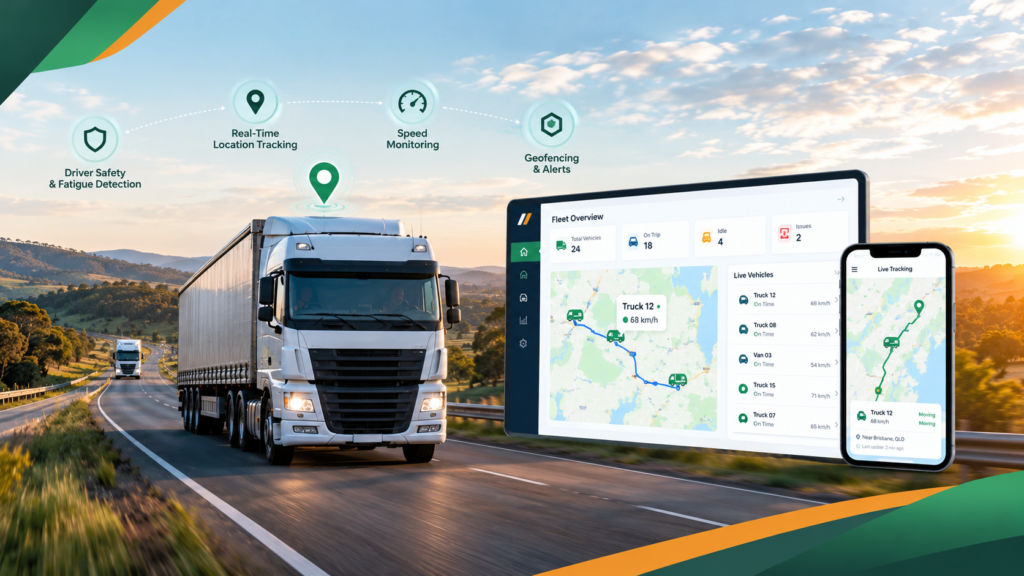
Vehicle telematics software collects data from a device fitted to the vehicle, such as location, speed and engine data, and turns it into alerts and reports your team can act on.
Vehicle & ECM
Engine and vehicle data at the source.
Telematics Device
Reads the data and sends it over the network.
Manage Vehicle
Sorts it by vehicle, driver and job.
Alerts & Reports
Faults, speed, fuel and usage, ready to act on.
Product Experience
From the engine bay to a decision your team can make
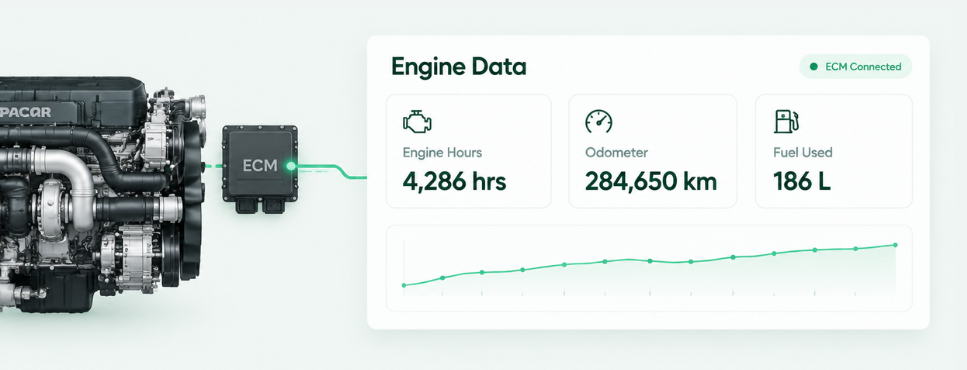
See what's happening under the bonnet
Accurate vehicle data without anyone writing it down.
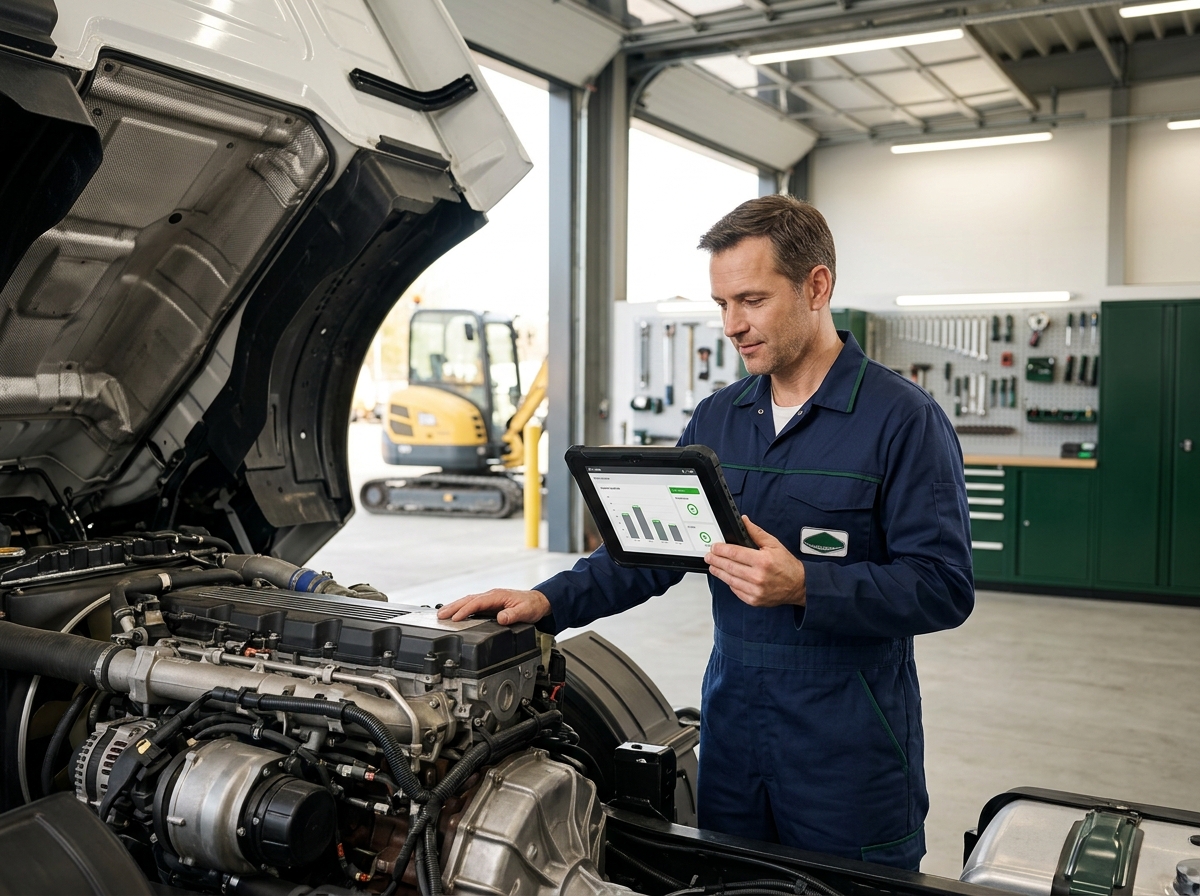
For heavy vehicle telematics, ECM tracking reads data from the vehicle's Engine Control Module, so engine hours, odometer and fuel figures come from the vehicle itself, not from a driver's guess or a paper log.
What your team can do:
Intervals by km, hours or date
Upcoming and overdue lists
Different schedules per vehicle type
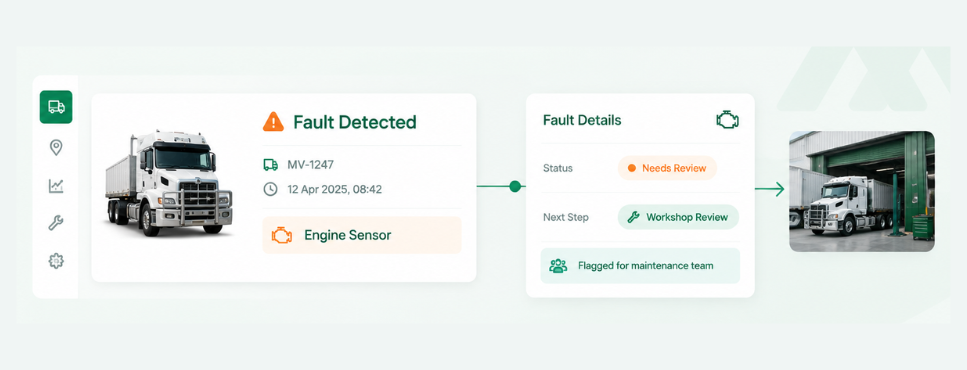
Hear about faults before they turn into breakdowns
Fewer roadside surprises and less unplanned downtime.
When a supported vehicle reports a fault, ManageVehicle flags it so your workshop can look at it early. A sensor issue fixed this week costs far less than a tow next month.
What your team can do:
Custom checklists per vehicle
Photos for anything that fails
See who checked what, and when
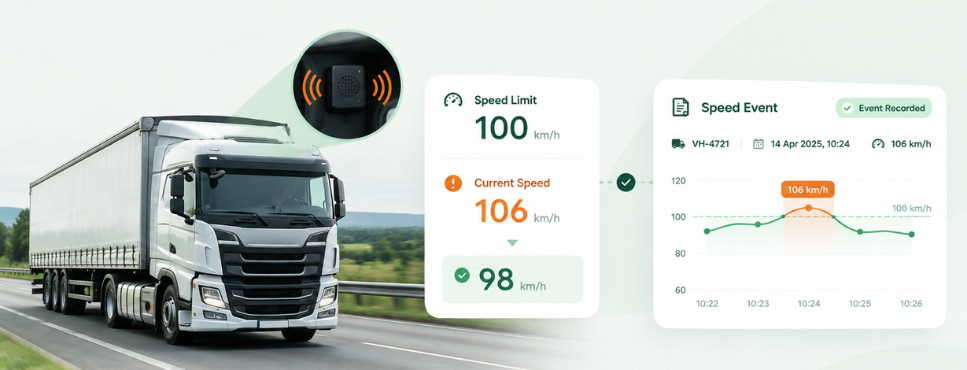
Warn drivers in the moment, not after the fine
Real-time feedback for drivers, records for you.
Speed buzzers sound in the cab when a driver goes over the limit you set. Drivers correct straight away, and you get a record of every event for coaching later.
What your team can do:
Log defects with photos
Assign and track repairs
Mark vehicles off the road
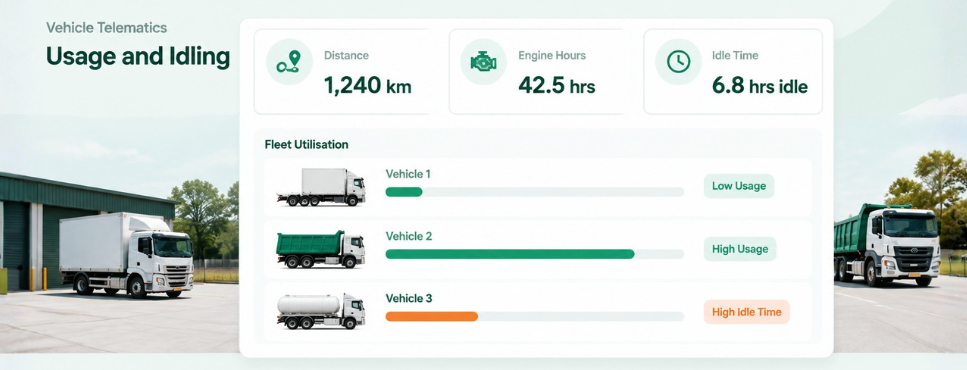
Know how hard each vehicle is working
Better use of the vehicles you already own.
See distance, engine hours and idle time for every vehicle. Find the trucks sitting idle and the ones being run into the ground, then balance the work.
What your team can do:
Full history per vehicle
Attach invoices and documents
Export for audits
Service by real usage, not by guesswork
Services that happen on time, every time.
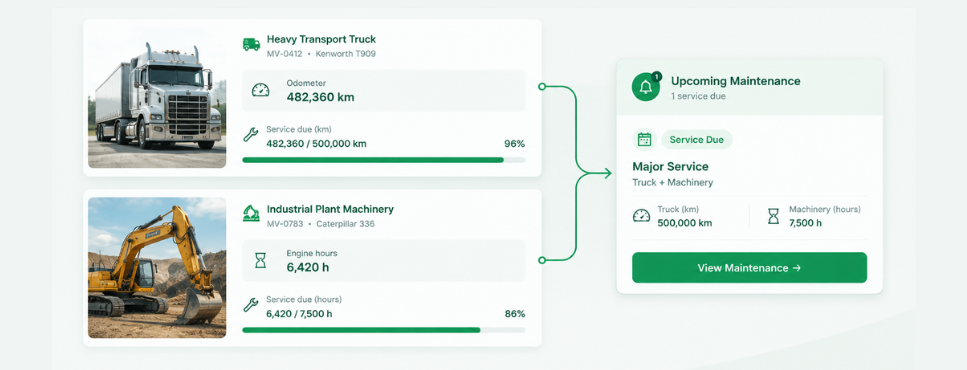
Use engine hours and odometer readings to trigger maintenance reminders. Plant and machinery get serviced on hours, trucks on kilometres, all from the same data.
What your team can do:
Upcoming services at a glance
Vehicles off the road
Plan around scheduled jobs
Stop Waiting for the Warning Light
Telematics answers the vehicle questions that usually only come up once something has gone wrong.
How many hours has Excavator 3 done?
Read the latest engine hours.
Is that warning light serious?
Check the reported fault.
Who idles the most?
Compare idle time by driver.
Which truck uses the most fuel?
Open fuel use by vehicle.
Is anything overdue for a service?
Check service reminders.
Vehicle data that backs up your safety and maintenance records
Under Chain of Responsibility, you need to show reasonable steps on vehicle standards and speed. Telematics gives you the records that prove those steps were taken.
Speed records with context
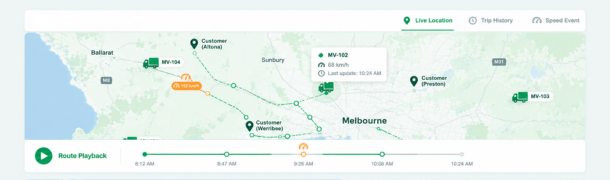
Every buzzer and speed event is stored with time, place and driver.
Usage-based service history
Show that services were done on real engine hours and kilometers.
Works next to your EWD
Telematics shows how the vehicle was driven. MV Driver, our NHVR-approved EWD, records work and rest.
Connected Telematics & Fleet Operations
Our telematics solutions are most useful when vehicle data feeds the rest of your operation, from the workshop to driver coaching.
Telematics + maintenance
Turn Engine Data Into Service Reminders
Maintenance workflows can include
Fuel use per vehicle
Idle-related waste
Distance per vehicle
Cost trends
Telematics + driver behaviour
Coach Drivers With Real Events
Driver records can include
Dashcam footage
Speed at the time
Location
Driver and vehicle
Telematics + fuel
See Where the Fuel Is Going
Fuel insights can include
Fuel use per vehicle
Idle-related waste
Distance per vehicletime
Cost trends
Telematics + dashcams
Match Video to Vehicle Data
A connected safety record can include
Dashcam footage
Speed at the time
Location
Driver and vehicle
GPS Tracking Software Vs Vehicle Telematics
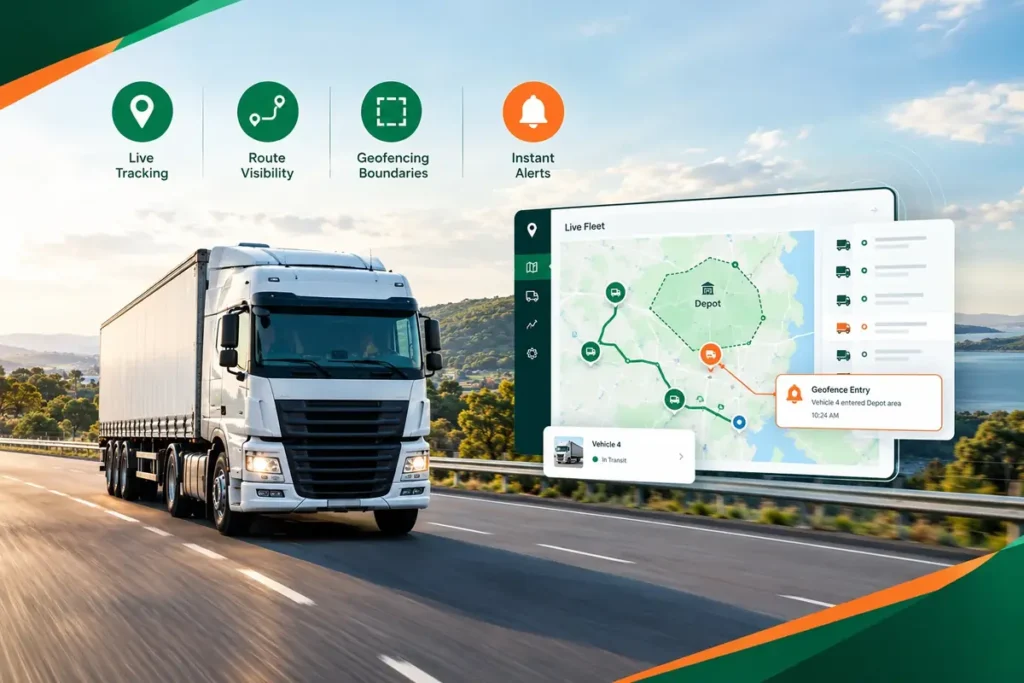
Telematics vs GPS tracking. GPS tracking tells you where the vehicle is. Telematics also tells you how it's running and how it's being driven. That's why telematics fleet management goes further than tracking alone.
Real operators, real problems, and what changed once everything sat in one system.
Brandon Manion Coaches
Problem
Maintenance across the bus fleet was difficult to track, with information spread across driver checks and maintenance records.
Result
Drivers complete daily inspections, record odometer readings and report faults directly in Manage Vehicle. The maintenance team has clear, up-to-date visibility of what needs attention. Better maintenance visibility. Fewer missed issues. A fleet that stays on top of its maintenance.
G & V Logistics
Problem
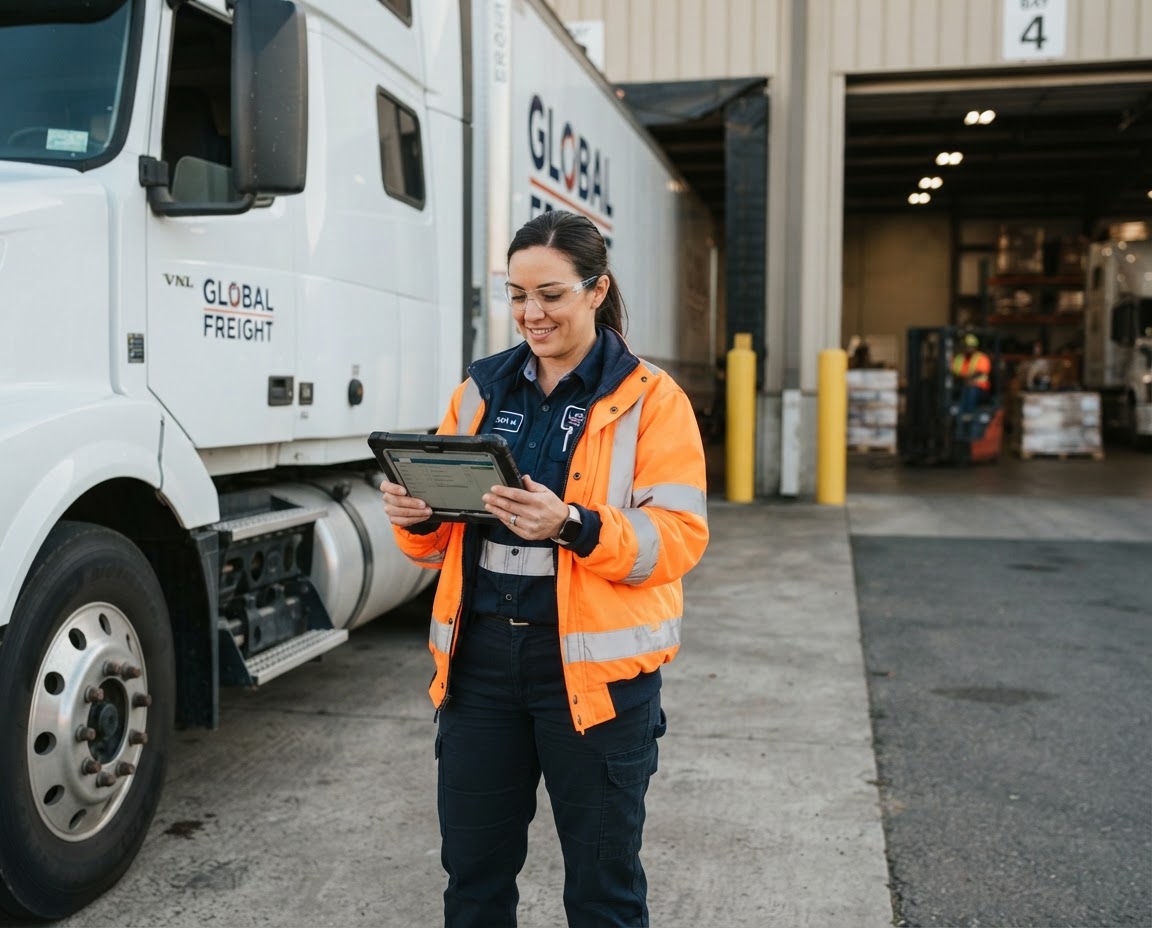
Limited visibility of where loads are while in transit, and difficulty quickly accessing evidence when an incident occurs.
Result
With telematics, G & V Logistics can see where their loads are in real time and share location details with clients immediately. In the event of an incident, they can quickly access and share relevant footage with insurers or other parties.
Alpine Civil Earthmoving
Problem
Limited visibility of how equipment is being used on site, making it difficult to track operating hours and actual equipment utilisation.
Result
Telematics gives Alpine Civil clear visibility of where equipment is and how long it has been operating on site. This helps them monitor utilisation, track equipment activity and better understand how their machines are being used. Better equipment visibility. Better utilisation tracking. More control over site operations.
Veera Transport
Problem
Jobs, PODs and invoicing were previously managed in batches, with the team waiting until the end of the week to collect everything and process invoices.
Result
Jobs are now allocated, driver approval is captured, PODs are recorded, and invoices are sent to the client within 15 minutes of job completion. Faster invoicing. Faster payments. Better cash flow.
Vehicle Telematics FAQs
It collects data from a telematics device in your vehicle, such as location, speed, engine hours, fuel use and faults, and shows it in one place. ManageVehicle connects that data to your drivers, jobs and maintenance.
ECM stands for Engine Control Module. ECM tracking reads data straight from the engine's computer, so figures like engine hours and fuel use come from the vehicle rather than manual logs.
An in-cab buzzer that sounds when a driver goes over the speed limit you set. The driver gets instant feedback and you get a record of each event.
It depends on the device and the vehicle. Common data includes location, speed, odometer, engine hours, fuel use, idle time and fault data. We'll confirm what's available for your fleet during the demo.
For telematics in Australia, ManageVehicle works with supported hardware including Ruptela, Jimi, Teltonika and GPSWOX devices. If you already have devices fitted, ask us about compatibility.
Yes. Engine hours and odometer readings can drive service reminders, so vehicles and plants are serviced on real usage rather than rough estimates.
Not quite. GPS tracking is about location. Telematics includes location and adds vehicle data like engine, fuel and driving events. Our guide on what telematics is in fleet management goes deeper.
In most cases, yes. Truck telematics is the most common setup, but light vehicles, plant and trailer telematics work too, as long as a compatible device can be fitted. The data available varies by vehicle, which we'll check with you before setup.
Fleet Maintenance
Fleet management software
Maximize fleet efficiency with our cutting-edge software. Real-time tracking, optimized routes, and comprehensive maintenance for seamless operations.
Get a 30-minute walkthrough of ManageVehicle set up around your fleet. We'll show you how tracking, EWD,
maintenance and risk management work together, and answer your HVNL questions on the spot.
Walkthrough based on your fleet size and setup
Your HVNL and EWD questions answered live
Local Australian support team
See ManageVehicle in action
Tell us a bit about your fleet and we'll be in touch within one business day.







 Brandon Manion Coaches
 G & V Logistics
 Alpine Civil Earthmoving
 Veera Transport