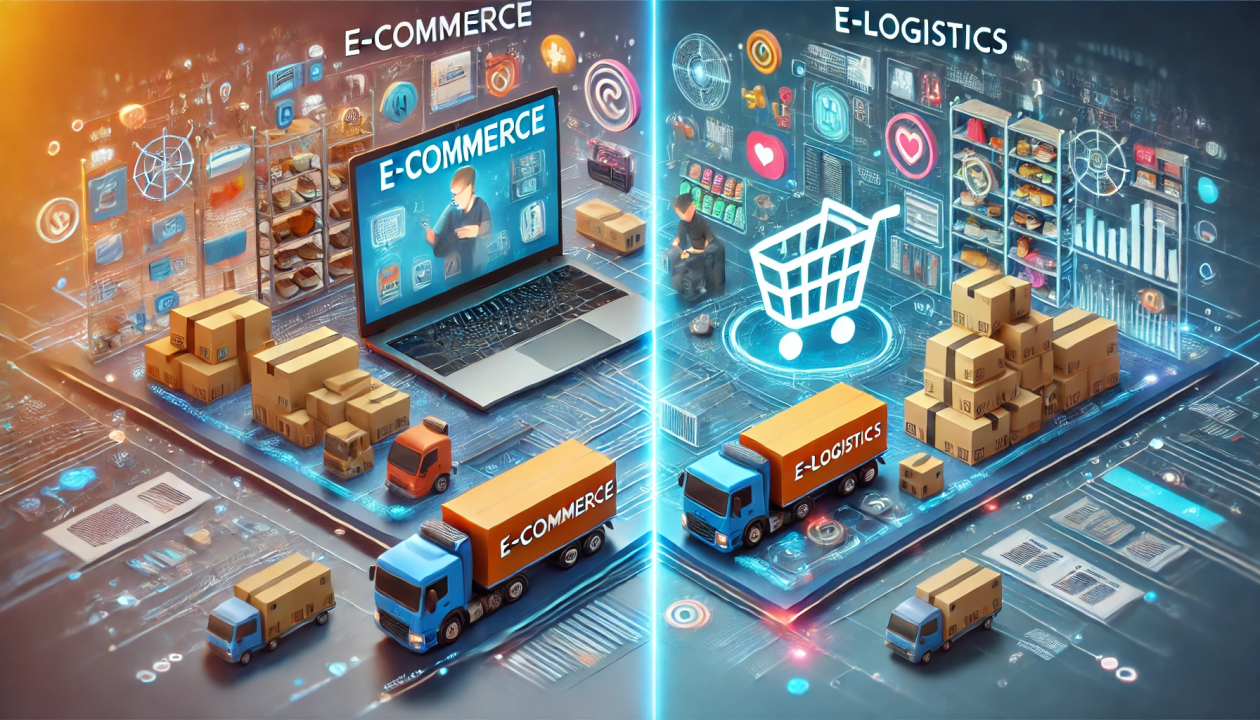
It’s the leg of the journey that matters most to the customer and often feels the most complex for us is the last mile delivery. With Australia’s e-commerce market now valued at a staggering $56 billion, the pressure on our urban logistics networks has never been greater.
Consumers clicking “buy now” expect their parcel on their doorstep tomorrow, if not today. This isn’t just a shift in shopping habits; it’s a revolution in logistics, and it’s changing the game for every truckie and transport operator on the ground.
Last Mile Delivery is the Final Frontier of Australia’s E-Commerce Boom
Just look at the recent peak season. Major retailers, from giants like Amazon Australia to local Aussie startups, reported record online sales. For our industry, this meant a flood of smaller, more frequent deliveries into the heart of our busiest CBDs. The challenge?
Moving a massive volume of parcels faster than ever, without getting bogged down in the infamous traffic of Melbourne’s Hoddle Grid or Sydney’s George Street. This surge is directly driving the innovations that are reshaping our daily runs.
1. Micro-Fulfillment Centers is the New Local Depot
Gone are the days when all stock came from one massive, centralised warehouse on the city’s outskirts. To slash delivery times and reduce inside city congestion, companies are setting up Micro-Fulfillment Centers (MFCs) to compact, hyper-local hubs nestled within suburbs in Melbourne, Sydney, and Brisbane.
What this means for you? For drivers, this is a significant shift. Instead of one long-haul trip to a giant DC in Truganina or Eastern Creek, your day might involve multiple shorter trips between several local MFCs.
In Australia, many cities have made micro-fulfillment centers as their new local fleet depot for the last mile delivery.
It means more time spent on the actual delivery route and less on the highway. While it changes the rhythm of the day, it aims to reduce the stress of long commutes just to get to your starting point.
This means AI-driven software that optimises your load and plans the most efficient route in real-time, accounting for traffic and weather. Inside the warehouse, robotic picking systems get your truck loaded faster, minimising your wait time on the dock.
Compliance automation and robotics will make the last mile delivery grow by 2027.
How this affects your run? This tech is here to make your job smoother, not harder. AI route optimisation means less guesswork, less fuel wasted, and more deliveries completed per shift.
Faster load and unload times mean you’re not watching the clock while waiting for a pallet. Embracing these tools is key to staying efficient and profitable.
3. Sustainability Pressures the Electric Shift!
With thousands of utes and vans clocking kilometres daily, last-mile delivery is under the microscope for its environmental impact.
There’s growing pressure from governments and consumers to clean up urban logistics. The push is on to connect these new MFCs with sustainable transport options, signaling a gradual but inevitable shift toward electric vehicles (EVs).
The electric shift is keeping the sustainability pressure while transitioning into zero-emission fleet industry.
What’s this mean for truckies on the road? The rumble of a diesel engine might soon be joined by the hum of an electric motor. While the upfront cost is high, the long-term savings on fuel and maintenance are substantial.
For now, it means being aware of low-emission zones, which are likely to appear in our major cities. Also, it is essential to know the new maintenance routines that come with a new type of vehicle.
Here’s How Manage Vehicle Assist You in the Last Mile Delivery
So, how do you, as a transport operator or owner-driver, navigate this new landscape of MFCs, AI, and EVs? It all comes down to having precise control and visibility over your operations. This is where Manage Vehicle becomes your essential co-pilot.
In this new era of last-mile delivery, efficiency isn’t just about your right foot; it’s about data. Manage Vehicle’s integrated platform gives you the power to:
Optimise Routes Instantly:
Sync with warehouse systems to receive AI-optimised routes directly to your dashboard, saving you time and fuel.
Simplify Compliance:
Easily track your driving hours, vehicle maintenance, and emissions data all in one place—crucial for navigating modern regulations.
Manage Multiple Fleets:
Whether you’re running diesel, electric, or a mix of both, get a unified view of performance, energy usage, and costs.
Manage Vehicle (MV) cloud-integrated fleet and compliance management system gives you optimised routes, smooth compliance and track record of your mixed fleets.
As last-mile delivery evolves, having a smart system to manage your vehicles and compliance isn’t a luxury; it’s the key to staying competitive and profitable.
Ready to streamline your fleet for the future of last-mile delivery? Sign up for a Manage Vehicle account today and get a 30-day free trial to see how we can help you drive smarter, not harder.
The big switch in the freight and logistics industry is coming in 2026, and it’s accelerating faster than many expected. For transport operators and drivers, the future is not just on the horizon, it’s rolling into the depot today.
Right now, major logistics companies and forward-thinking operators are already trailing electric trucks on urban delivery routes and regional runs.
From the streets of Melbourne to the highways of Queensland, these zero-emission vehicles are proving their mettle, moving goods without a drop of diesel. This isn’t a distant dream; it’s a real-world testing phase that’s setting the stage for a nationwide transformation.
What’s Happening in Freight and Logistics Industry?
Australian freight and logistics industry is firmly in the pilot phase. Companies are deploying electric trucks for specific, suitable tasks like last-mile deliveries in metropolitan areas and fixed short-to-medium haul routes.
These electric trials are crucial. They’re helping manufacturers understand battery performance in our unique conditions and are giving fleets real data on running costs, maintenance, and charging cycles.
Australian freight and logistics industry is taking pace into transitioning the electric vehicles with the trial run.
You’re likely to start spotting these sleek, silent machines more frequently, they’re the vanguard of a cleaner, more efficient freight industry.
The Challenge: Roadblocks on the Australian Highway
Let’s be frank, this transition isn’t without its potholes. The two biggest hurdles are cost and infrastructure.
The upfront price of an electric truck is significant, and the national network of heavy vehicle charging stations is still in its infancy, creating serious “range anxiety” for interstate hauls.
Furthermore, Australia’s patchwork of state-based regulations presents a unique headache. The weight regulations change at each state border.
The real challenge for operators and drivers is high vehicle repairing cost and infrastructure in the process of EV transition.
Electric trucks, with their heavy battery packs, often weigh more than their diesel counterparts. This can lead to complex compliance issues, forcing operators to choose between carrying less cargo or facing potential penalties when crossing borders, a logistical nightmare that eats into profitability.
The Solution: Smarter Management for a Smarter Fleet
Navigating this new landscape requires more than just a new truck; it requires a new way of thinking. This is where Manage Vehicle comes in. We understand that your operation’s efficiency is paramount, especially when adopting new technology.
Get real-time insights into vehicle mass and dimensions. Plan routes with confidence, knowing our system helps you stay across varying state-based rules, reducing the risk of costly compliance breaches at weigh stations and borders.
MV Enhance Safety and Efficiency:
Our platform integrates seamlessly with advanced dash cameras and 4-channel fatigue and distraction detection AI cameras. It alerts drivers with seat vibrators to combat drowsiness, making every journey, especially long, unfamiliar electric routes safer.
Manage Vehicle is the solution to your freight and logistics with easy compliance, safety and efficiency within real-time vehicle navigation.
MV Gives Total Real Time Control:
Whether you’re in the office or on the road, the MV Driver and MV Operator apps give you live tracking of your vehicle’s location, battery status (integrated with telematics), and driver performance. Optimise routes, manage charging schedules, and maximise uptime.
Manage Vehicle turns the complexity of the electric fleet transition into a manageable, streamlined process, putting you firmly in control.
Manage Vehicle ensures you in this EV transition for smoother compliance, and real-time insights for your fleet.
The road to 2026 is being paved right now. Don’t get left behind in the dust of the diesel era. Embrace the future of freight with the management tools built to support it.
Ready to future-proof your fleet? Sign up for a 30-day free trial of Manage Vehicle today and experience how effortless the switch to smarter, compliant, and safer fleet management can be. Let’s navigate the electric future, together.
The growth of e-commerce continues to revolutionise the logistics industry in Australia. The transport sector has grown remarkably, with a 105% surge over the last five years.
E-commerce now represents 13% of total retail spending, and experts predict this number will reach beyond 20% in 2025.
The logistics industry in Australia adapts quickly to these changes. The sector reached USD 94.10 billion in 2024. Last-mile delivery has become one of the most vital areas for logistics providers because it makes up 53% of overall shipping costs.
Customers now expect faster and more reliable delivery options. This expectation has revolutionised traditional supply chain operations, especially when you have locations like Liverpool in South West Sydney that serve as central delivery hubs.
Digital Transformation of Logistics Industry in Australia
Australian logistics companies are moving toward digital solutions as AI becomes a crucial part of their operations.
These companies now use AI to predict when demand will surge, manage stock levels better, and spot transportation delays before they happen.
Robots have changed how storage and distribution work by taking over tasks from inventory management to packaging.
AI and automation have brought several benefits to the logistics industry:
Predictive maintenance capabilities
Better customer service delivery
Optimised route planning
Better inventory management
Revolutionising Fleet Operations with Manage Vehicle’s FCS System
Cloud-based fleet management solutions have changed operations completely. Manage Vehicle’s FCS system shows all vehicle and driver information on one app which is available on Google Play Store.
Companies can track diagnostic data and manage maintenance before problems arise. These systems help companies make use of information to make better decisions.
Immediate tracking and visibility platforms play a vital role in modern logistics operations. Visibility in supply chains has become one of the priorities.
Manage Vehicle’s fleet management software can you help you track and protect your driver, fleet and your business with FCS. | Source: Ford Media
Organisations report higher revenue and lower costs through their ability to track everything from start to finish. Australian logistics providers can now watch how their fleet drivers behave and support eco-friendly driving practices.
IoT sensors and GPS tracking give updates about cargo location and status as they happen. This clear view lets stakeholders watch progress and spot delays quickly.
Recent data shows that 98% of Australian transportation and logistics workers use mobile technology daily. Yet, they still lose 16 hours each month because their devices stop working.
Companies tackle this issue by using device analytics. They watch battery life, check if apps work correctly, and monitor network connections to reduce disruptions.
Technology-Driven Last-Mile Delivery
Australian logistics providers welcome new last-mile delivery solutions because of the e-commerce boom. Companies report 20-40% better productivity after implementing advanced geo-mapping route optimisation software.
Route optimisation solutions result in a tremendous degree of improvement in the Australian logistics:
Reduced fuel consumption and operational costs
Decreased late or failed deliveries
Improved customer satisfaction
Better environmental sustainability through efficient routing
E-commerce expanded the growth of online shopping and the need for effective last-mile delivery logistics, which involves delivering goods directly to customer’s doorsteps. | Source: Fluid Truck
Mobile delivery applications have changed how logistics companies connect with their customers. These apps now let customers track deliveries in real time from start to finish.
Proof-of-delivery technology is now vital, giving both customers and shippers instant delivery confirmations.
Automated despatch systems have changed fleet management in Australia altogether. We reduced labour costs and improved efficiency by automating schedules and tracking.
AI-Powered Routing for Fleet Managers
Fleet managers can now watch driver progress and provide better routing information from one central location, which leads to better productivity. These technologies help solve Australia’s unique geographical challenges.
Modern routing software looks at road conditions, distance, and time windows to find the best delivery routes. This innovative approach to planning routes matters more than ever as delivery volumes keep growing across the continent.
Streamlined routing tools empower fleet managers to boost efficiency and sustainability. | Source: Boxwheel Trailer Leasing
Logistics providers use AI-driven algorithms to predict shipping volumes accurately. Their systems analyse up-to-the-minute data about traffic, weather, and delivery priorities.
So, it helps companies create efficient routes and cut environmental impact by using less fuel.
Compliance and Regulatory Evolution
Australian logistics’ regulatory landscape has changed dramatically to keep pace with the digital age.
Companies in transport and logistics must now follow many laws that cover occupational health and safety, record keeping, and supply chain security.
Digital Compliance Shaping Logistics Industry in Australia
Digital compliance platforms have changed how logistics companies handle their regulatory duties.
These systems give users centralised dashboards to monitor compliance requirements and customisable checklists that align with Australian Consumer Law and Privacy Act regulations. The key advantages are:
Budget-friendly compliance monitoring through automation
Boosted control effectiveness and coverage
Better risk management capabilities
Live compliance status updates
To meet the demand for quick deliveries, fleet businesses are investing in strategically located warehouses and fulfillment centers closer to consumer hubs. | Source: LinkedIn
Electronic Work Diaries Implementation
Electronic Work Diaries (EWDs) represent a significant upgrade from old paper-based systems. NHVR-approved solutions help eliminate mistakes when recording work and rest hours.
Companies that use EWDs report an interesting finding – vehicles with identified drivers see 50% fewer speed events than those without driver identification.
Chain of Responsibility Software Solutions
Chain of Responsibility (CoR) software forms the foundations of safety across the transport chain. The National Heavy Vehicle Regulator administers legislation that makes all parties responsible for complying with road transport laws.
These digital tools are a great way to get results, especially when you have operations spanning continental Australia.
To name just one example, the Australian Logistics Council rolled out web-based compliance solutions to handle complex stakeholder needs from retailers, transport operators, and regulators.
Data protection and privacy requirements need careful planning when implementing these systems.
Companies must ensure their compliance systems follow the Australian Guidelines for Electronic Commerce, which spell out principles for fair business practices and consumer protection.
Sustainable Technology in Logistics Industry in Australia
Green tech solutions are changing the face of Australia’s logistics industry. Companies are putting their money into eco-friendly breakthroughs.
Electric Fleet Management for Sustainable Logistics
Electric vehicles are the lifeblood of green logistics. Diesel fuel consumption creates 75% of the industry’s carbon footprint.
Significant logistics providers are testing electric vehicles right now. Linfox runs trials of Volvo FL Electric trucks that run on 100% offset solar power. These platforms help cut operational costs through the following:
Lower maintenance needs
Less fuel spending
Better air quality
Better charging infrastructure setup
Enhancing Sustainability with Green Transport
New tracking systems boost route efficiency and cut environmental damage. Businesses can optimise their shipments and routes through ground shipping methods.
Green transportation projects have shown they can cut emissions by up to 32% when companies use solutions like parcel lockers.
With the E-commerce boom in Australia’s logistics industry, there are carbon footprints for last-mile deliveries, prompting sustainable practices like green packaging and electric heavy vehicles. | Source: nVision Global
Tools to Track Carbon Footprints
Carbon monitoring platforms are vital parts of Australia’s logistics sector. These innovative tools measure Scope 3 emissions for all shipments.
They follow Global Logistics Emission Council (GLEC) approved calculations. Companies that use these monitoring systems can:
Watch carbon emissions in real-time
Create automated emissions reports that meet ISO14064-1 standards
Measure fleet emissions progress
Find new ways to use electric vehicles
Green tech goes beyond just managing vehicles. Warehouses now use solar panels to power their refrigeration systems and lights.
A crucial logistics supplier increased solar generation in its warehouses in Australia and New Zealand by 50%. In the next decade, they expect to save more than 7,000 megawatts of electricity annually.
E-Commerce Impact on the Logistics Industry in Australia
E-commerce’s rapid growth has changed Australian logistics. Companies now rely on fleet management SaaS solutions to handle more deliveries and follow regulations across the country’s vast distances.
Technology leads this development. AI-powered route optimisation, IoT sensors, and automated dispatch systems cut operational costs and make deliveries more efficient.
On top of that, digital compliance platforms help transport operators meet strict rules, especially when it comes to driver safety and vehicle maintenance.
The logistics industry in Australia prioritises green steps when it comes to adopting an electric fleet and carbon monitoring tools, which have been committed to minimising the impact of green practices.
The impact of e-commerce on the logistics industry in Australia encompasses a wide range of products. | Source: INAPA Blog
These eco-friendly programs, complemented with a sound monitoring system, can now achieve an up to 32% reduction in emissions.
Excellent logistics firms are actually addressing the needs of e-commerce in the form of solution flexibility and software sophistication.
Companies that follow up soon with such modernisation in last-mile delivery are well poised for success in the expanding digital marketplace in Australia.
E-commerce keeps growing, and logistics providers must focus on integrating technology, following regulations, and maintaining green practices to tackle future challenges.