NHVR Fatigue Management Standards: 2026 Fleet Guide

The NHVR fatigue management standards are the seven rules your fatigue system gets audited against if you run drivers on anything other than standard hours. Most operators know they exist. Far fewer can tell you what Standard 4 actually requires, or why an auditor wants a signed quarterly statement under Standard 5.

Nhvr fatigue management standards

That gap costs money. Fatigue made up 23% of all breaches the NHVR detected in 2025, and the penalty for breaching the fatigue duty jumped from $8,000 to $26,610 when the amended HVNL started on 1 August 2026. (We broke down the full changes in fatigue duty penalties 2026.)

This guide walks through each standard in plain English: what it means, what it looks like in a real depot, and the evidence an auditor will ask you to hand over. We also cover how the 2026 switch from BFM and AFM to ACA-Fatigue changes things, because it does.

What are the NHVR fatigue management standards?

They’re the performance standards set out in the NHVR’s Fatigue Management Accreditation Guide. Under NHVAS, any operator accredited for Basic Fatigue Management (BFM) or Advanced Fatigue Management (AFM) had to meet all seven, and independent auditors checked them on a regular cycle.

The guide is refreshingly blunt about the idea behind them. Write down how you manage fatigue, then prove you actually do it. That written method becomes your Fatigue Management System (FMS), and the folder or platform holding it is your FMS Manual.

Here are the seven at a glance:

#StandardThe short version
1Scheduling and rosteringPlan trips and rosters inside legal or approved limits
2Health and wellbeing for performed dutyDrivers are medically and personally fit to work
3Training and educationEveryone in the system knows fatigue and can prove it
4Responsibilities and management practicesClear roles, clear consequences, open communication
5Internal reviewYou audit yourself before the auditor does
6Records and documentationEvidence is kept, controlled and easy to find
7Workplace conditionsCabs, sleepers and depots support real rest

Do they still apply after 1 August 2026?

Yes, but the wrapper around them has changed. The NHVR can no longer grant new NHVAS accreditation. BFM and AFM are being replaced by Alternative Compliance Accreditation for Fatigue (ACA-Fatigue) under the new Heavy Vehicle Accreditation (HVA) scheme.

If you already hold BFM or AFM, it stays valid until it expires, gets cancelled, or you choose to move across. You keep being audited against the seven standards until then. And the practices they describe (documented rosters, fitness checks, trained schedulers, internal review, solid records) are exactly what you’ll need to show in an ACA-Fatigue safety case anyway. So learning them properly isn’t wasted effort. More on that further down.

The NHVR fatigue management standards, one by one

Standard 1: Scheduling and rostering

This is the one auditors spend the most time on, and for good reason. It says trips and rosters must build in fatigue management and stay within legislated or approved limits. Rosters also have to consider each driver’s recent work history, ability, welfare and, where it makes sense, their preferences.

In practice that means a few things people often miss. You need a written policy on how drivers returning from leave are rostered, since their fatigue risk is higher. You need guidelines for relief and casual drivers. And drivers should have some say in schedules and enough notice of changes to stay compliant.

What an auditor wants to see: your documented rostering procedure, copies of regular rosters, and proof you review them. The easiest proof is planned hours sitting next to actual hours from your work diaries. If you’re still on paper, our truck driver logbook guide covers what a compliant entry looks like.

Standard 2: Health and wellbeing for performed duty

Drivers have to be fit to do the job, medically and on the day. Medicals follow Austroads’ Assessing Fitness to Drive guidelines and must include screening for sleep disorders. The minimum frequency is every three years for drivers aged 49 or under, and every year from age 50.

The medical is only half of it. You also need a written fitness-for-duty process covering health, drugs and alcohol, wellbeing and fatigue, plus a way for drivers to say “I’m not fit” before or during a shift without getting punished for it. This lines up closely with the expanded unfit-to-drive duty under the amended HVNL, which now covers all heavy vehicles over 4.5 tonnes GVM.

What an auditor wants to see: a medical register with expiry dates, your fit-for-duty procedure, and evidence that medical advice actually changed how someone was rostered.

Standard 3: Training and education

Everyone who touches the fatigue system has to understand it, not just drivers. Drivers need competency in TLIF0005 (Apply a fatigue risk management system). Schedulers, and anyone supervising drivers or schedulers, need TLIF0006 (Administer a fatigue risk management system). Courses must come from an NHVR-approved RTO.

The trap here is records. It’s common to find a driver who did the course but whose statement of attainment isn’t on file. To the auditor, that’s the same as no training.

What an auditor wants to see: training records for every person with a fatigue role, who delivered the training and when, refresher dates, and fatigue content in your induction.

Standard 4: Responsibilities and management practices

Every task in your FMS needs a named owner, and those people need to know it. The standard also asks for a way to deter non-compliance (counselling and disciplinary processes) and a communication channel between drivers and management.

This matters beyond accreditation. Under Chain of Responsibility, “everyone thought someone else was checking” is not a defence. Our Chain of Responsibility 2026 guide explains why clear roles are your first line of protection.

What an auditor wants to see: a task and responsibility list, role statements that mention fatigue, records of toolbox talks or notices, and examples of corrective action taken.

Standard 5: Internal review

Think of this as auditing yourself so the external audit holds no surprises. The standard requires a documented internal review at least every 12 months, done by someone not responsible for the area being reviewed where that’s practical. You also need a process to log, investigate and fix non-compliances, and to check whether fatigue played a part in any incident.

The piece people forget is the quarterly compliance statement. Signed by the responsible person, it counts drivers under the accreditation, new drivers inducted, work and rest records reviewed, compliant versus non-compliant records, current and expired medicals, fatigue-related incidents, and breach notices received.

What an auditor wants to see: signed quarterly statements, your non-conformance register, incident investigations, and completed annual reviews. Pulling those numbers by hand every quarter is painful, which is where NHVR fleet reporting tools earn their keep.

Quarterly compliance statement checklist

Standard 6: Records and documentation

If it isn’t written down and findable, it didn’t happen. Policies must be authorised, current and available wherever the work is done. Records need to be legible and kept for at least three years. You also need a register of everyone with a designated fatigue responsibility, and every driver’s work and rest records reviewed each quarter.

Paper works, but it’s where most operators come unstuck: diary pages in three depots, superseded procedures that nobody archived. An NHVR-approved Electronic Work Diary stores work and rest records in one auditable place and flags breaches as they happen rather than at quarter end.

What an auditor wants to see: document control (version history), the responsibility register, three years of work diary records, and timesheets or pay records that match the diaries.

Standard 7: Workplace conditions

The last standard is about where drivers actually rest. Workplaces, including the truck, have to support real sleep, and meet WHS law and the relevant Australian Design Rules. If drivers sleep in the vehicle away from home, including two-up teams, the sleeper must comply with ADR 42.

What an auditor wants to see: a policy covering cab comfort, seating, sleeper berths, air conditioning and depot rest facilities, plus confirmation that sleeper cabs used for stationary rest meet ADR 42.

BFM vs AFM: same seven standards, different stakes

BFM and AFM operators are audited against the same seven standards. The difference is how much flexibility you’re given, and how hard you have to work to justify it.

BFM gave fixed, more flexible hours than standard hours, including up to 14 hours of work in a 24-hour period. AFM let operators set their own hours, assessed case by case on risk. That’s why a few requirements only bite for AFM. The clearest example sits inside Standard 1: if a driver is ever allowed to go past your normal approved operating limits, you need documented countermeasures for managing those extra hours.

Bfm afm to aca fatigue structure

In short, BFM is about proving you follow a known set of rules. AFM was about proving your own rules are safe. ACA-Fatigue takes the AFM approach and applies it to everyone who wants hours outside standard hours.

How the 2026 HVNL changes affect NHVR fatigue management standards

The biggest shift is structural. Under the HVA scheme you can’t hold fatigue accreditation on its own anymore. To get ACA-Fatigue you must also hold General Safety Accreditation (GSA), which audits your whole safety management system, not just fatigue. You can apply for both at once.

From there, the NHVR works with you to set Alternative Compliance Hours (ACH). To apply you submit a safety case and your Fatigue Risk Management System, measured against Schedule 1 of the Safety Management System Standard 2026 and the Ministerial Standard for Alternative Compliance Hours.

A few hard edges worth knowing:

  • Outer limits still apply. For solo drivers, work in any 24-hour period can’t exceed 15.5 hours, and stationary rest must include at least 7 continuous hours.
  • Templates exist. The NHVR has published ACH templates based on common BFM and AFM hours, so most operators won’t have to design hours from scratch.
  • Seven risk principles shape your hours. Keep continuous work short, schedule frequent breaks, allow enough time to sleep, favour night sleep, avoid shifts ending between midnight and 6 am, keep shifts as short as you reasonably can, and plan reset breaks of at least 30 hours that include two night periods.
  • Renewals trigger the move. Existing BFM and AFM accreditations can’t be amended or renewed after 1 August 2026. When yours comes up, you transition.

Our BFM/AFM to ACH transition guide covers the step-by-step switch, and the work and rest hours explainer compares the hour sets side by side.

Audits and legal exposure are sharper too

HVA audits use the PSOE method: is each control Present, Suitable, Operating and Effective? That last word is the one to worry about. A tidy manual that nobody follows now fails on paper as well as in practice.

SMS audit findings can also be used as court evidence in Chain of Responsibility cases. So the gaps an auditor writes up aren’t just an accreditation problem anymore. With Category 1 CoR penalties now at $4,230,550 for a corporation, that’s worth taking seriously.

Where fleets usually trip up

Most audit findings we hear about aren’t dramatic. They’re small, boring gaps that pile up:

  • Rosters that were planned properly but never compared against what drivers actually worked.
  • Medicals that lapsed quietly because nobody tracked expiry dates.
  • A scheduler who has been doing the job for years but never completed TLIF0006.
  • Quarterly compliance statements that were filled in but never signed.
  • An internal review done by the same person who runs the process being reviewed.
  • Old procedures thrown out instead of archived for three years.

None of these need new equipment to fix. They need a system that reminds people, keeps records in one place, and makes the evidence easy to pull.

A quick self-check before your next audit

  • Written rostering procedure, including drivers back from leave and relief drivers
  • Planned rosters reviewed against actual work and rest records
  • Medical register current, with sleep disorder screening included
  • Fit-for-duty and self-reporting procedure in place and known to drivers
  • TLIF0005 on file for every driver, TLIF0006 for every scheduler and supervisor
  • Named owner for every FMS task, plus a responsibility register
  • Signed quarterly compliance statements for the last four quarters
  • Annual internal review done by someone independent of the process
  • Three years of work diary records, timesheets and superseded documents
  • Sleeper cabs used for stationary rest confirmed as ADR 42 compliant
  • Renewal date checked, and an ACA-Fatigue plan in place if it’s coming up

If you’re building your system from scratch, our driver fatigue management plan template is a solid starting point.

The bottom line

The NHVR fatigue management standards aren’t really about paperwork. They’re a checklist for whether your business can prove it keeps tired drivers off the road. Plan hours properly, check people are fit, train everyone involved, give each task an owner, review yourself honestly, keep the evidence, and give drivers somewhere decent to sleep.

The 2026 move to ACA-Fatigue raises the bar on the “prove it” part. Operators who already run these standards well will find the switch fairly painless. Those who’ve been getting by on a manual in a drawer will not.
Manage Vehicle brings your fatigue and mass management tools, NHVR-approved EWD, driver records and compliance reporting into one platform, so the evidence your auditor asks for is already there. Book a demo and we’ll show you how it maps to each standard.

This article is general information, not legal advice. Fatigue rules and accreditation arrangements can change, so check current requirements with the NHVR or a qualified adviser before making compliance decisions.

FAQ

How many NHVR fatigue management standards are there?

Seven: scheduling and rostering, health and wellbeing for performed duty, training and education, responsibilities and management practices, internal review, records and documentation, and workplace conditions.

Do the standards apply if my drivers only work standard hours?

Not as accreditation requirements. They apply to operators accredited for BFM or AFM. You still carry the primary duty to manage fatigue risk under Chain of Responsibility, and the standards are a sensible benchmark for doing that.

Is BFM still available in 2026?

No new BFM or AFM accreditation can be granted after 1 August 2026. Existing accreditations stay valid until they expire or are cancelled, then operators move to ACA-Fatigue, which requires General Safety Accreditation as well.

How often do heavy vehicle drivers need a medical under fatigue accreditation?

At least every three years for drivers aged 49 or under, and every year for drivers aged 50 or over. The exam must include screening for sleep disorders.

How long do I need to keep fatigue records?

At least three years. That includes work diary records, the FMS Manual and any superseded procedures.

What training do schedulers need?

TLIF0006 Administer a fatigue risk management system, from an NHVR-approved RTO. Drivers need TLIF0005 Apply a fatigue risk management system.

Night Driving Fatigue Rules for Heavy Vehicles: What the HVNL Actually Requires

The night driving fatigue rules under the Heavy Vehicle National Law (HVNL) exist for a simple reason: driving at night is when fatigue risk is at its worst. Research consistently shows that fatigue-related crashes peak between 2 am and 6 am, when the body’s circadian rhythm hits its lowest point. A second, smaller peak hits in the early afternoon between 2 pm and 4 pm. For heavy vehicle drivers covering long stretches of highway in the dark, these are not abstract statistics. They are the hours when reaction times slow, lane-keeping deteriorates, and microsleeps become a real danger.

Night driving fatigue rules

The Heavy Vehicle National Law (HVNL) treats night driving as a distinct risk category. It does not simply apply the same work and rest limits around the clock. There are specific night rest break requirements, a combined “long/night work time” cap for BFM-accredited drivers, and – since 1 August 2026 – an expanded “unfit to drive” duty that applies to every heavy vehicle over 4.5 tonnes GVM, regardless of the hour.

This article breaks down exactly what those rules require, how night work time is counted, and what operators and schedulers need to do to stay compliant.

Why Night Driving Fatigue Rules Exist

The HVNL does not treat all hours equally because the human body does not treat all hours equally.

Your circadian rhythm is a roughly 24-hour internal clock that regulates alertness, body temperature, and hormone production. Between about midnight and 6 am, that clock pushes hard toward sleep. Alertness drops. Reaction times get longer. The ability to maintain a consistent lane position – a standard measure of driving impairment – deteriorates significantly.

This is not just theory. In NSW alone, 78 people died in fatigue-related crashes in 2024, a 47 per cent increase from 53 deaths in 2023. Heavy vehicles made up only 2 per cent of NSW motor vehicle registrations, yet heavy vehicle drivers accounted for around 26 per cent of those fatigue-related deaths. Nationally, 179 lives were lost in crashes involving a heavy vehicle in 2024, which the NHVR described as “devastating and entirely preventable.”

The HVNL addresses this risk through two main mechanisms: mandatory night rest breaks and caps on long/night work time accumulation.

Night Rest Breaks: The Core Requirement

Under every hours option (Standard Hours, BFM, and now ACH), drivers of fatigue-regulated heavy vehicles must take night rest breaks at regular intervals.

A night rest break is defined as 7 continuous hours of stationary rest taken between the hours of 10 pm on a day and 8 am the next day, using the time zone of the driver’s base. A continuous 24-hour stationary rest period that includes that 10 pm to 8 am window also counts as a night rest break.

Stationary rest means the driver must be either out of the heavy vehicle entirely or in an approved sleeper berth of a stationary vehicle. Resting in the cab while the engine is running and someone else drives does not count for this purpose (unless the vehicle has a compliant sleeper berth and the vehicle is stationary).

How Often Night Rest Breaks Are Required

The frequency depends on which hours option the driver operates under:

Standard Hours (solo driver) Night rest breaks must be taken within the regulated intervals set out in the NHVR’s work and rest hours tables. For a standard hours solo driver, the 14-day counting period requires specific night rest breaks. The daily requirement is straightforward: within any 24 hours, a solo driver needs a minimum of 7 continuous hours of stationary rest, and across each 7 days, at least one of those must qualify as a night rest break.

BFM (solo driver) Within any 14 days, a BFM solo driver must take at least 4 night rest breaks, with at least 2 taken on consecutive days. This gives BFM drivers more flexibility for occasional night runs, but it does not eliminate the night rest requirement.

ACH (Alternative Compliance Hours) Since 1 August 2026, ACH has replaced BFM and AFM for new accreditations under the Heavy Vehicle Accreditation (HVA) scheme. Night rest conditions under ACH are set on the operator’s accreditation certificate. Operators transitioning from BFM should check their certificate for the specific long/night work conditions that apply.

Long/Night Work Time: The Combined Cap

This is where many operators get tripped up. The HVNL does not treat “long hours” and “night hours” as separate categories. They are combined under a single definition: long/night work time.

Under the Heavy Vehicle (Fatigue Management) National Regulation, long/night work time means any work time that is either:

  1. In excess of 12 hours in 24 hours, or
  2. Between 12 midnight and 6 am (using the time zone of the driver’s base)

Both types count toward the same running total.

The 36-Hour Cap Under BFM

A solo driver operating under BFM must not exceed 36 hours of long/night work time in any 7 days.

Once that 36-hour cap is reached, the driver cannot do any more long/night work until the accumulated total drops below 36 hours. In practical terms, that means the driver either:

  1. Cannot exceed 12 hours of work in 24 hours, or
  2. Cannot work between 12 am and 6 am

…until the 7-day rolling total clears enough room.

How the Count Works in Practice

Here is where the detail matters. Say a BFM solo driver works 13 hours between 6 am and 11 pm. All of those hours fall outside the midnight-to-6 am window. But 1 hour exceeds the 12-hour daily threshold. That driver has accumulated 1 long/night hour for the count.

Now consider a different driver who works 14 hours between 1 pm and 6 am the next day. Those hours include 6 hours between midnight and 6 am. That driver accumulates 6 long/night hours, not 8 (you do not double-count the overlap between the “over 12 hours” component and the “midnight to 6 am” component across the same 24-hour period).

A third scenario: a driver works 13 hours between 5 pm and 9 am the next day, including the full midnight-to-6 am window plus 8 am to 9 am. That driver accumulates 7 long/night hours – 6 hours for the midnight-to-6 am window, plus 1 hour for the work time exceeding 12 hours that falls outside that window (the 8 am to 9 am portion).

Long night work time counting

Overlapping Counting Periods

When 24-hour counting periods overlap, and both contain long/night work hours, those hours are counted only once. They are then totalled for the period the limitation applies to (for example, 36 hours in 7 days under BFM). The NHVR is explicit about this: do not double-count hours that fall across overlapping periods.

AFM and ACH Conditions

For drivers under AFM or ACH, long/night work conditions are set on the accreditation certificate. If the certificate does not include a long/night work condition, there may be no specific cap on long/night hours beyond the general work and rest limits. Operators unsure about their conditions can contact the NHVR fatigue management team at [email protected].

The Expanded “Unfit to Drive” Duty

Since 1 August 2026, the amended HVNL has expanded the “unfit to drive” duty under Section 228(1). Previously, the obligation not to drive while impaired by fatigue applied only to fatigue-regulated heavy vehicles (generally over 12 tonnes GVM).

Now, a driver must not drive any heavy vehicle over 4.5 tonnes GVM while impaired by fatigue or otherwise unfit to drive – even if the driver is within their permitted work and rest limits.

This is critical for night driving. A driver can be fully compliant with every work and rest rule and still be too fatigued to drive safely. The NHVR’s own guidance is direct about this: the maximum work and minimum rest limits are outer boundaries, not guarantees of fitness.

The expanded duty also covers impairment from illness, injury, mental health conditions, medication, alcohol, and drugs. For night drivers who may have had disrupted sleep or who are working a second job during the day, this expanded duty closes a gap that previously existed for lighter heavy vehicles.

Chain of Responsibility: It Is Not Just the Driver’s Problem

Under the HVNL’s Chain of Responsibility (CoR) provisions, the obligation to manage night driving fatigue does not sit with the driver alone. Every party in the supply chain has a primary duty to ensure, so far as is reasonably practicable, the safety of their transport activities.

The NHVR’s Regulatory Advice on fitness to drive specifically calls out a common and dangerous scenario: drivers working multiple jobs, such as a secondary job during business hours followed by heavy vehicle driving at night. If an operator knows or ought to know that a driver is arriving for a night shift already fatigued from other work, failing to address that risk is a CoR problem.

Schedulers have particular exposure here. Building rosters that routinely require driving during the 2 am to 6 am window without adequate recovery time is not just poor practice – it is the kind of systemic risk that the CoR primary duty is designed to catch.

Since the August 2026 amendments, safety management system (SMS) audit findings are now admissible as court evidence for CoR breaches. An operator whose SMS identifies night fatigue as a risk but fails to implement controls is creating a documented trail of non-compliance.

The penalty ceiling for a Category 1 CoR breach now sits at $4,230,550 for a body corporate and $436,850 plus up to 5 years imprisonment for an individual.

Practical Steps for Managing Night Driving Risk

Compliance with the letter of the work and rest rules is the baseline. Actually managing night fatigue risk requires more.

Scheduling and Rostering

Build rosters that limit consecutive nights and, where possible, avoid scheduling the highest-risk freight movements between 2 am and 6 am. Where overnight driving is unavoidable (and in many freight operations, it is), ensure drivers have had adequate sleep opportunity before the shift starts.

The NHVR recommends rest every two hours during driving, and this is even more important at night. Short breaks of 15 to 20 minutes can slow the onset of fatigue, but they do not replace proper sleep.

Two-Up Driving Arrangements

Two-up driving, where two drivers share the driving of one fatigue-regulated heavy vehicle, is one way to manage night driving risk. Both drivers must operate under a two-up work option (Standard Hours two-up, BFM two-up, or ACH two-up) and must independently meet the work and rest requirements.

The NHVR recommends that two-up drivers only use an approved sleeper berth for continuous rest while the vehicle is moving before taking their major rest break – not as a substitute for it.

Fatigue Detection Technology

In-cab fatigue detection cameras using PERCLOS (percentage of eyelid closure) and head-position tracking can provide real-time alerts when a driver shows signs of drowsiness. These systems are particularly valuable during night shifts when the biological drive toward sleep is strongest.

The 2026 Master Code now explicitly includes fatigue and distraction detection technologies (FDDT) among the controls operators should consider. While not mandatory, their inclusion in the Master Code means a court could consider their absence when assessing whether an operator took “reasonably practicable” steps.

Work Diary and EWD Recording

Night driving creates specific recording obligations. Any work performed between midnight and 6 am counts toward the long/night work time tally and must be accurately recorded. Drivers using paper work diaries or electronic work diaries (EWDs) need to ensure these hours are captured correctly, because errors in night-time recording are exactly the kind of thing an NHVR audit or roadside inspection will flag.

Operation Ambit II in March 2026 intercepted more than 6,100 vehicles and found that false or misleading records had increased by 42 per cent compared to earlier operations. Fatigue offences made up 23 per cent of all detected breaches in 2025, and administrative fatigue offences were up more than 10 per cent. Getting the recording right is not optional.

Night fatigue operator checklist

Frequently Asked Questions

Does the HVNL ban night driving for heavy vehicles?

No. The HVNL does not prohibit night driving. It imposes specific requirements around night rest breaks, caps on long/night work time accumulation (under BFM), and a general duty not to drive while impaired by fatigue. Night driving is permitted within these limits.

What hours count as “night” under the HVNL?

The long/night work time definition uses 12 midnight to 6 am (in the time zone of the driver’s base). Night rest breaks must fall within the 10 pm to 8 am window. These are two separate definitions used for different purposes.

Do Standard Hours drivers have a long/night work time cap?

The 36-hour cap on long/night work time in 7 days applies specifically to BFM solo drivers. Standard Hours drivers do not have a separate long/night work time cap, but they must still take the required night rest breaks and must not drive while impaired by fatigue.

What happens if a BFM driver exceeds 36 hours of long/night work in 7 days?

The driver must stop doing any work that would add to the long/night total until the 7-day rolling count drops below 36 hours. That means no work beyond 12 hours in a 24-hour period and no work between midnight and 6 am. Exceeding the cap is a fatigue breach.

Has the “unfit to drive” rule changed for night drivers?

Yes. Since 1 August 2026, the expanded unfit-to-drive duty applies to all heavy vehicles over 4.5 tonnes GVM – not just fatigue-regulated vehicles over 12 tonnes. This means drivers of medium heavy vehicles are now also covered, even if they are not otherwise required to keep a work diary.

How does time zone affect night work counting?

Long/night work time between midnight and 6 am is measured using the time zone of the driver’s base. If a driver’s base is in Sydney but they are driving through South Australia (which is 30 minutes behind), the midnight-to-6 am window is still counted based on Sydney time.

Heavy Vehicle Work and Rest Hours in Australia: Standard, BFM and ACH Explained

Heavy vehicle work and rest hours in Australia are set by the Heavy Vehicle National Law. Every driver of a fatigue-regulated heavy vehicle must stay within defined maximum work limits and take minimum rest breaks – and the people who schedule their work carry the same legal obligation.

Since 1 August 2026, the framework around heavy vehicle work rest hours has shifted. BFM and AFM are being phased out in favour of Alternative Compliance Hours under the new Heavy Vehicle Accreditation scheme. But Standard Hours remain the default, and the fundamental counting rules have not changed.

This article breaks down exactly what the hour limits are under each option, how to count time correctly, and what the transition to ACH means for your fleet.

Which Vehicles Are Covered

The work and rest rules apply to drivers of fatigue-regulated heavy vehicles:

  • Trucks and vehicle combinations with a Gross Vehicle Mass (GVM) or Gross Combination Mass (GCM) over 12 tonnes
  • Buses with a GVM over 4.5 tonnes designed to carry more than 12 adults (including the driver)

If your vehicle falls below these thresholds, the specific work-rest counting rules do not apply to you under the HVNL. However, the broader “unfit to drive” duty introduced 1 August 2026 applies to all heavy vehicles over 4.5 tonnes GVM – meaning even if you are not subject to the hour counting rules, you still cannot drive while impaired by fatigue.

The HVNL applies in NSW, VIC, QLD, SA, TAS and ACT. Western Australia and the Northern Territory have their own rules, though WA drivers must follow the HVNL when they cross into participating jurisdictions.

Standard Hours: The Default

Standard Hours are the baseline option. No accreditation is needed. If you are driving a fatigue-regulated heavy vehicle and you do not hold BFM, AFM or ACH accreditation, you are operating under Standard Hours. The NHVR provides a daily work and rest hours planner you can download for quick reference.

Solo Driver Limits – Standard Hours

PeriodMaximum WorkMinimum Rest
In any 5.5 hours5 hours 15 minutes of work time15 continuous minutes of rest
In any 8 hours7.5 hours of work time30 minutes of rest in blocks of at least 15 continuous minutes
In any 11 hours10 hours of work time60 minutes of rest in blocks of at least 15 continuous minutes
In any 24 hours12 hours of work time7 continuous hours of stationary rest
In any 7 days72 hours of work time24 continuous hours of stationary rest
In any 14 days144 hours of work timeThe 7-day and 24-hour rest requirements above
Standard hours solo driver work and rest limits table showing maximum work and minimum rest for each period

Stationary rest means time spent out of the fatigue-regulated heavy vehicle, or in an approved sleeper berth of a stationary vehicle. Sitting in the cab at a traffic light is not rest. Sitting in a moving vehicle as a passenger is not stationary rest either.

Two-Up Driver Limits – Standard Hours

When two drivers share the driving of a fatigue-regulated heavy vehicle, both must operate under a two-up work option. The limits are more flexible:

PeriodMaximum WorkMinimum Rest
In any 24 hours12 hours of work time each7 continuous hours of stationary rest each (can be taken in a sleeper berth while the vehicle is moving)

The key difference: in a two-up arrangement, rest in an approved sleeper berth of a moving vehicle counts as stationary rest. This allows longer continuous trips. Both drivers must individually comply with the limits, and both must record their time in a work diary.

Basic Fatigue Management (BFM)

BFM gives operators more flexibility than Standard Hours but requires NHVAS accreditation, along with trained drivers and trained schedulers.

Standard hours vs BFM comparison showing key differences in work limits accreditation and night rules

Important: From 1 August 2026, BFM is being replaced by Alternative Compliance Hours (ACH) under the new HVA scheme. Existing BFM accreditation remains valid until it expires. No new BFM applications are being accepted.

Solo Driver Limits – BFM

PeriodMaximum WorkMinimum Rest
In any 6.5 hours6 hours of work time15 continuous minutes of rest
In any 9 hours8.25 hours of work time30 minutes of rest in blocks of at least 15 continuous minutes
In any 12 hours11 hours of work time60 minutes of rest in blocks of at least 15 continuous minutes
In any 24 hours14 hours of work time7 continuous hours of stationary rest
In any 7 days36 hours of long/night work time*Night rest requirements**
In any 14 days144 hours of work time4 night rest breaks**

*Long/night work time is any work beyond 12 hours in a 24-hour period, or any work between midnight and 6 AM (using the time zone of the driver’s base).

**Night rest breaks are 7 continuous hours of stationary rest taken between 10 PM and 8 AM (base time zone), or a 24-hour continuous stationary rest break.

BFM’s key advantage when it comes to heavy vehicle work rest hours is the extra 2 hours of work in a 24-hour period (14 vs 12 hours). But the night rest requirements are strict – they exist specifically because extended and overnight work carries significantly higher fatigue risk.

Advanced Fatigue Management (AFM)

AFM offered the most flexibility under the previous system, using a performance-based risk management approach. Operators needed an NHVR-approved fatigue management system, including a safety case identifying hazards and controls specific to their proposed schedule.

From 1 August 2026, AFM is also transitioning to ACH under the HVA scheme. Existing AFM accreditation remains valid until expiry.

AFM hours were customised to each operator’s approved safety case, so there is no single standard table of hours. If your fleet currently operates under AFM, your specific arrangements will need to be mapped to an ACH template or submitted as custom hours when you transition.

Alternative Compliance Hours (ACH) – The New System

ACH is the replacement for both BFM and AFM, available from 1 August 2026 through Alternative Compliance Accreditation – Fatigue (ACA-Fatigue) under the HVA scheme.

Alternative Compliance Hours

How ACH Works

  • You apply for ACA-Fatigue accreditation through the NHVR portal
  • GSA (General Safety Accreditation) is a prerequisite
  • You can select from templated tables of hours based on common BFM and AFM setups, or submit custom hours for assessment
  • Your proposed ACH must comply with the Ministerial Standard for Alternative Compliance Hours
  • For solo drivers, work in any 24-hour period cannot exceed 15.5 hours, and stationary rest must include at least 7 continuous hours
  • Your case manager assesses whether the proposed hours provide a safe balance between work, rest, risk management and fatigue countermeasures

Key Differences from BFM/AFM

The practical effect for most operators transitioning from BFM will be minimal if they select a matching template. The structural difference is that ACH sits within the HVA framework, which requires a documented Safety Management System meeting the SMS Standard 2026. Your fatigue management practices are assessed as part of a broader safety system, not as a standalone module.

For a detailed transition guide, read: BFM and AFM Are Being Replaced: Your Guide to ACA-Fatigue and Alternative Compliance Hours

How to Count Work Rest Hours Correctly

Getting the counting rules wrong is one of the most common causes of fatigue breaches. The NHVR’s counting method is specific:

Four step process for counting heavy vehicle work and rest time under the HVNL

For periods less than 24 hours (all drivers): Work periods must be counted forward from the end of any rest break. If you have not taken the required rest break, count from the end of the most recent qualifying rest break.

For 24-hour periods:

  • Under Standard Hours or ACH: count from the end of the longest major rest break
  • Under BFM or AFM: count from the end of any major rest break

What counts as work time: Everything connected to operating the fatigue-regulated heavy vehicle. This includes driving, loading and unloading, pre-trip inspections, refuelling, paperwork, waiting to load (if you cannot leave the vehicle), and any other task related to the vehicle’s operation. It does not matter whether these tasks happen on a public road or on private property – they are still work time.

What counts as rest time: Any time that is not work time. But for it to count toward your required rest breaks, it must meet the minimum duration (15 minutes, 30 minutes, 7 hours continuous, etc.) and, for stationary rest, the driver must be outside the vehicle or in an approved sleeper berth of a stationary vehicle.

A common mistake: assuming meal breaks automatically count as rest. If you are eating at a depot while your vehicle is being loaded and you need to supervise or move the vehicle, that time may not qualify as rest.

Night Work and Circadian Risk

Fatigue risk is not uniform across the 24-hour cycle. Driving between midnight and 6 AM – the circadian low period – carries substantially higher crash risk, which is why BFM (and now ACH) includes specific night work limits.

Under BFM, the 36-hour limit on long and night shifts over any 7-day period exists specifically to prevent operators from scheduling excessive overnight work. The night rest break requirements (7 hours of stationary rest between 10 PM and 8 AM) force regular reset opportunities aligned with natural sleep patterns.

The NHVR has noted that planning rosters to minimise driving during the midnight-to-6 AM window is a best practice for all operators, regardless of which hours option they use.

For more on managing night driving risk, read: Night Driving Fatigue Rules for Heavy Vehicles

What Happens When You Breach Work Rest Hours

Breaching heavy vehicle work rest hours is categorised by severity:

  • Minor breach: exceeding limits by a small margin (e.g. working slightly over the 12-hour limit)
  • Substantial breach: exceeding limits by a significant margin
  • Severe breach: exceeding limits by a large margin (e.g. driving 16+ hours in a 24-hour period under Standard Hours)
  • Critical breach: the most serious – sustained, dangerous exceedances
Fatigue breach severity scale from minor to critical with corresponding penalty levels

Penalties escalate accordingly. Since 1 August 2026, the base fatigue duty penalty is $26,610. For serious and repeated breaches, Chain of Responsibility penalties apply – up to $4,230,550 for corporations. Heavy vehicle crash data confirms fatigue remains one of the top three contributors to fatal heavy vehicle incidents.

It is not just the driver who faces consequences. If a scheduler, fleet manager or other CoR party created conditions that made the breach inevitable, they carry independent liability.

For the full penalty schedule, read: Fatigue Breaches, Work Rest Penalties Under HVNL

Frequently Asked Questions

Does loading/unloading time count as work?

Yes. Any activity related to the operation of a fatigue-regulated heavy vehicle counts as work time, including loading, unloading, pre-trip inspections, refuelling and paperwork. This applies whether it happens on a road or on private property.

Can I split my 7-hour rest break?

Under Standard Hours, no – it must be 7 continuous hours of stationary rest. Under BFM, the 7-hour rest can be split in some jurisdictions, but not in Victoria. Check the specific conditions of your accreditation.

What happens if I switch from AFM to Standard Hours mid-trip?

You must not drive a fatigue-regulated heavy vehicle unless you are compliant with all the work and rest requirements of the new option (Standard Hours). You cannot carry over flexible hours from your previous AFM arrangement.

Do I need to record time on private property?

Yes. Work time is counted regardless of where the activity takes place. A pre-trip inspection at a private depot is work time. Loading on a farm is work time.

Is rest in a moving vehicle counted as rest?

Only in a two-up arrangement, and only if the rest is taken in an approved sleeper berth. For solo drivers, rest must be stationary.

Fatigue Detection Cameras for Fleets: What They Actually Catch

Fatigue detection cameras for fleets sound straightforward. A camera watches the driver’s face, spots drowsiness and sends an alert. Job done.

Except it is not that simple. Some systems catch genuine fatigue events minutes before a microsleep. Others flood your safety team with false alarms every time a driver glances at a mirror. And the gap between what a vendor promises on a sales call and what actually happens inside a cab at 2 a.m. on the Hume Highway is wider than most fleet operators expect.

This guide breaks down what fatigue detection cameras genuinely detect, where they fall short, how the technology works under the hood, and what the NHVR expects from Australian operators who install them.

What Fatigue Detection Cameras Actually Detect

A modern fatigue detection camera is really a Driver Monitoring System (DMS) running AI models on a driver-facing lens. It does not just record video. It watches the driver’s face continuously, frame by frame, and analyses specific physical cues that are linked to drowsiness.

Perclos how fatigue detection works

Here is what current-generation systems are trained to pick up:

Eye closure patterns. This is the big one. The core metric most systems rely on is called PERCLOS, which stands for Percentage of Eye Closure over time. Originally developed by the U.S. National Highway Traffic Safety Administration (NHTSA) in the 1990s, PERCLOS measures the proportion of time a driver’s eyes are 80% or more closed within a set window, typically one minute. The original NHTSA study that validated PERCLOS found it was the most reliable drowsiness measure tested, outperforming EEG and blink-based alternatives. When that percentage crosses a threshold, the system flags drowsiness. More recent research published in the journal SLEEP Advances has confirmed these findings hold up during real-world driving, not just lab simulations.

Slow blink rate. A fatigued driver does not just close their eyes more. Their blinks slow down. The eyelids droop and take longer to open again. Fatigue cameras track blink duration and frequency together to distinguish genuine drowsiness from a normal blink. Systems like Manage Vehicle’s fatigue detection will trigger an initial audible warning when eyes close for a set period, and then issue follow-up alerts if the driver closes their eyes again within 30 seconds. That layered re-alert logic is what separates a genuine safety intervention from a one-off beep that gets ignored.

Yawning. Repeated yawning is one of the earlier warning signs of fatigue. Systems detect mouth opening patterns that match yawning behaviour rather than talking or eating. For example, Manage Vehicle’s system flags an alert if a driver yawns twice within 3 seconds in a 1-minute window, distinguishing a genuine fatigue pattern from a single isolated yawn.

Head nodding and position. When fatigue sets in, the head begins to dip forward or tilt. The camera tracks head pitch, roll and yaw in real time. Repeated forward head drops are a strong late-stage fatigue signal, often appearing just seconds before a microsleep.

Distraction and inattention. Most fatigue cameras do not only watch for drowsiness. They also detect when a driver looks away from the road for extended periods, whether they are glancing down at a phone, reaching for something on the passenger seat, or simply staring off to the side. Some systems flag gaze direction and time off-road as a percentage.

Mobile phone use. Higher-end DMS cameras can identify a driver holding a phone near their face. Given the severity of mobile phone penalties in Australia (up to $423 plus 5 demerit points in NSW alone), this detection capability matters for fleet compliance.

Seatbelt detection. Some systems also monitor whether the driver is wearing a seatbelt, a relevant factor in heavy vehicle safety where seatbelt non-use rates among drivers killed or seriously injured have historically been well above the passenger vehicle average.

Smoking. A few platforms flag smoking as a distraction event, particularly relevant for fleets carrying dangerous goods.

Driver ID verification. Some systems can verify the identity of the person behind the wheel, confirming that the assigned driver is actually the one operating the vehicle. This matters for compliance record-keeping and for ensuring that fatigue and distraction data are tied to the correct driver profile.

How the Technology Actually Works

There are two layers to how fatigue detection cameras for fleets operate, and understanding both helps you separate real capability from marketing noise.

The Hardware Layer

A typical FDDT (Fatigue and Distraction Detection Technology, the term the NHVR uses) setup includes a driver-facing camera with an infrared illuminator. The infrared component is critical. Without it, the system cannot track eye state at night or in low-light conditions, which is exactly when the highest fatigue risk sits. If a vendor’s camera does not use infrared, it is essentially useless after dark.

The camera is usually part of a dual-facing dashcam system. One lens faces the road (capturing ADAS events like lane departure and forward collision warnings), while the other faces the driver. This pairing matters because the two data streams together tell a richer story. A fatigue alert followed by a lane departure event, for example, is far more significant than either alert on its own.

The AI Layer

On the software side, the camera’s onboard processor (edge computing) runs deep learning models trained on millions of frames of driver behaviour. Current-generation systems can run 30 or more neural network models simultaneously, processing every frame of drive time rather than sampling clips.

The AI distinguishes between a genuine fatigue event and a harmless movement. A driver glancing in the mirror is not the same as a driver who has been looking away from the road for 4 seconds straight. A single yawn is not the same as three yawns in two minutes combined with slowing blink rate. Good systems look for patterns, not isolated moments.

When the system detects a fatigue or distraction event, it triggers an immediate in-cab alert. This typically starts with an audible alarm or voice prompt telling the driver to take a break. Some systems go further. Manage Vehicle’s hardware includes a dedicated vibration motor that physically vibrates the driver’s seat when fatigue or distraction is detected, adding a tactile alert that works even if the driver is too drowsy to register an audio cue. That combination of sound and physical vibration is harder to miss than a beep alone.

The alert goes out in real time, inside the cabin, while the event is happening. That is the difference between retrospective video review (useful for coaching, but the event has already occurred) and genuine intervention.

Simultaneously, the event data is transmitted to the server, where the system compiles photo and video evidence of the detected event. Fleet managers can review this footage on their dashboard, use it for driver coaching sessions, or retain it as documentation for compliance investigations. Having that evidence trail matters when you need to demonstrate your fatigue management approach during an NHVR audit or a CoR inquiry.

Fatigue alert response flow

What They Do Not Catch

This is where it gets important. Fatigue detection cameras are a powerful tool, but they have blind spots that every fleet operator needs to understand.

Compliance Does Not Equal Fitness

A driver can be fully compliant with work and rest hours and still be dangerously fatigued. The NHVR makes this point explicitly: complying with work and rest requirements does not necessarily mean a driver is fit to drive. Poor sleep quality during a rest break, an undiagnosed sleep disorder, medication side effects, illness or personal stress can all leave a driver impaired despite being technically within their hours.

This is exactly why the amended HVNL (commenced 1 August 2026) expanded the “unfit to drive” duty under Section 228(1). The obligation now covers fatigue, illness, injury, mental health, medication, alcohol and drugs for all heavy vehicles over 4.5 tonnes GVM. Previously, it only applied to fatigue and only to vehicles over 12 tonnes. A camera can catch drowsiness symptoms once they appear, but it cannot detect the underlying condition that made the driver unfit before they started driving.

Pre-Trip Fitness

The camera only works while the driver is in the vehicle. It tells you nothing about what happened before the shift started. Did the driver sleep for 7 hours or 3? Are they dealing with a medical condition? Have they taken medication that causes drowsiness? These are the questions that a broader Fatigue Risk Management System (FRMS) needs to answer. The camera is one layer of that system, not the whole thing.

Deliberate Tampering

This is a real and documented problem. In the NHVR WA case study that has been referenced across the industry, a truck fitted with fatigue and distraction detection technology recorded 465 camera misalignments over just 6 weeks, the result of the driver deliberately tampering with the camera. That truck later rolled and caught fire, resulting in a fatality. If a driver consistently repositions, covers or obstructs the camera, the system cannot do its job. And unless the fleet is actively monitoring for misalignment alerts and treating them as serious compliance events, the tampering goes unaddressed.

Environmental Limitations

While infrared cameras handle darkness well, they can still struggle with direct sunlight glare, certain types of prescription glasses, or drivers wearing very dark sunglasses. Most current systems handle standard sunglasses without issue, but it is worth asking your provider specifically about performance with wraparound or polarised lenses.

False Positives and Alert Fatigue

Early-generation fatigue cameras were notorious for false alarms. A driver looking at a side mirror, scratching their face, or sneezing could trigger an alert. Current systems have improved significantly, with false positive rates dropping to under 5% in 2026-generation hardware. But false positives still happen, and if drivers get too many bogus alerts, they start ignoring the real ones. This is alert fatigue, and it quietly undermines the entire system.

What the NHVR Expects from Australian Operators

The NHVR does not currently mandate fatigue detection cameras for heavy vehicles. But the regulatory direction is clear, and operators who install FDDT need to understand what “good practice” looks like. The NHVR’s fatigue management guidance treats FDDT as one component of a broader risk management approach, not a standalone fix.

FDDT Good Practice Guidance

The NHVR released its FDDT Good Practice Guidance Material following a commissioned research project led by Professor Drew Dawson. The guidance covers selecting, implementing, operating and evaluating FDDT, and includes fillable templates for meeting safety duties under the HVNL. It is not a “must do” document, but it represents the NHVR’s view of what responsible FDDT use looks like.

Key points from the guidance:

The relationship between the company and driver is central. Operators who treat cameras as a surveillance and punishment tool see driver resistance and poor outcomes. Operators who position FDDT as a safety support tool, with drivers having absolute authority to stop driving when an alert fires, see genuine safety improvements.

You need documented procedures for responding to alerts. It is not enough to install a camera and hope someone checks the dashboard. The NHVR guidance emphasises having clear, written processes for what happens when a fatigue or distraction event is detected, who gets notified, what the driver is expected to do, and how the event is recorded.

The 2026 Master Code Connection

The NHVR’s 2026 Master Code of Practice, released in January 2026, includes FDDT as a recognised control for fatigue management across its hazard and control framework. While the Master Code is not mandatory, courts can use it as a benchmark for what “reasonably practicable steps” look like when assessing Chain of Responsibility (CoR) breaches. If your fleet operates fatigue-regulated heavy vehicles and you have not considered FDDT, that absence could be used against you in a CoR prosecution.

The penalties for getting this wrong are substantial. Post 1 July 2026 CPI adjustments, Category 1 CoR penalties sit at $4,230,550 for corporations and $436,850 plus up to 5 years imprisonment for individuals. The individual fatigue duty penalty has jumped from $8,000 to $26,610. These numbers make a camera investment look modest by comparison.

Operation Ambit and Enforcement Trends

The NHVR’s Operation Ambit in March 2026 intercepted more than 6,100 vehicles with a specific focus on fatigue compliance. The results were sobering. The fatigue non-compliance rate rose from 4.7% to 5.3%, false and misleading records increased by 42%, and administrative fatigue offences climbed by more than 10%. Fatigue accounted for 23% of all detected breaches in 2025.

These numbers tell you where enforcement attention is heading. FDDT data, if you have it, can demonstrate that your fleet is actively managing fatigue risk. If you do not have it, you are relying entirely on work diary compliance, which the NHVR has made clear is not sufficient on its own.

DMS vs ADAS: Understanding the Two Camera Systems

If you are evaluating fatigue detection cameras for fleets, you will hear two acronyms constantly: DMS and ADAS. They are different systems that do different jobs, and a complete camera safety setup uses both.

DMS (Driver Monitoring System) is the driver-facing camera. It watches the driver’s face and detects fatigue, distraction, phone use and seatbelt violations. This is what people typically mean when they say “fatigue camera.”

ADAS (Advanced Driver Assistance System) is the road-facing camera. It monitors the road ahead and detects lane departures, forward collision risks, following distance violations and in some cases speed sign recognition.

When both systems feed into the same platform, you get context that neither system provides alone. A lane departure event that coincides with a DMS fatigue alert tells a completely different story than a lane departure during an overtake. The combined data gives your safety team the ability to prioritise the events that actually matter and coach drivers based on the full picture rather than isolated clips.

Dms vs adas fatigue camera comparison

How to Get Real Value from Fatigue Detection Cameras

Installing the hardware is the easy part. Getting genuine safety outcomes takes more thought.

Run the cameras on 100% of drive time, not just triggered events. Systems that only record when a G-force event occurs miss the fatigue and distraction events that happen before the crash. Continuous monitoring is where the real prevention value sits.

Treat misalignment alerts as seriously as fatigue alerts. If a camera keeps going out of alignment on the same vehicle, investigate. The NHVR WA case demonstrates what happens when tamper alerts are ignored.

Build a response procedure before you install the first camera. Who reviews alerts? What happens when a critical fatigue event is flagged at 3 a.m.? Can the driver pull over safely? Does the scheduler get notified? Document this and train your team on it.

Use the data for coaching, not just compliance. Drivers who receive real-time in-cab alerts and follow-up coaching within 24 hours show significantly better behaviour change than drivers who only hear about events at a weekly review meeting. The closer the coaching sits to the actual event, the more effective it is.

Feed camera data into your broader safety and compliance platform. Fatigue camera data is most powerful when it connects to your EWD records, GPS tracking, maintenance schedules and incident reporting. A fatigue alert on a vehicle that also has an overdue service creates a very different risk profile than a fatigue alert on a well-maintained truck with a fresh driver.

FAQ

Are fatigue detection cameras mandatory for Australian heavy vehicles?

No. The NHVR does not currently mandate FDDT for heavy vehicles. However, the 2026 Master Code of Practice recognises FDDT as a control for fatigue management, and CoR parties are expected to take “reasonably practicable steps” to manage safety risks. Courts may consider whether FDDT was available and reasonable for your operation when assessing a breach.

How accurate are fatigue detection cameras in 2026?

Current-generation AI systems using PERCLOS measurement achieve 92 to 96% accuracy in detecting drowsiness events, with false positive rates below 5%. Accuracy improves with infrared capability for night driving and with systems that analyse patterns of behaviour rather than isolated moments.

Can drivers tamper with fatigue cameras?

Yes, and it happens. Systems should generate automatic misalignment or obstruction alerts when the camera cannot see the driver’s face properly. The critical step is treating those alerts as compliance events and investigating them promptly. The NHVR WA case involved 465 misalignments over 6 weeks that went unaddressed.

Do fatigue cameras work at night?

Systems with infrared (IR) illumination work in complete darkness. This is a non-negotiable feature for any fleet running night operations. Ask your provider specifically about IR capability and whether the system maintains full detection accuracy in low-light and no-light conditions.

What is the difference between a fatigue camera and a dashcam?

A standard dashcam passively records video and typically triggers on G-force events like hard braking or a collision. A fatigue detection camera actively analyses the driver’s face in real time using AI, detects drowsiness and distraction as they develop, and intervenes with an in-cab alert before an incident occurs. Most modern systems combine both functions in a dual-facing unit.

How does FDDT data help with Chain of Responsibility compliance?

FDDT records demonstrate that your fleet is actively monitoring and managing fatigue risk, which goes beyond simple work diary compliance. Under the HVNL, CoR parties must take reasonably practicable steps to manage safety risks. Documented FDDT use, including alert response procedures and driver coaching records, provides evidence of those steps in an audit or prosecution.

Disclaimer: This article provides general information about fatigue detection technology and Australian heavy vehicle regulations. It is not legal advice. Regulatory requirements can change. Always refer to the NHVR and relevant state or territory authorities for current obligations.

Fatigue Duty Penalties 2026: What Changed and Why | Manage Vehicle

Fatigue duty penalties 2026 hit differently. The amended Heavy Vehicle National Law (HVNL) took effect on 1 August 2026 with no grace period, and the maximum penalty for driving while fatigued has jumped from $8,000 to $26,610. That is more than triple what it was. But the dollar figure only tells part of the story. The law has also expanded what counts as an offence, who it applies to, and how the regulator plans to enforce it.

HVNL fatigue duty penalty increase from $8,000 to $26,610 effective August 2026

This article breaks down every major fatigue-related penalty change, explains the reasoning behind the increases, and covers the practical steps operators need to take right now.

Why Fatigue Duty Penalties 2026 Increased So Sharply

The penalty overhaul did not happen overnight. The National Transport Commission (NTC) began its review of the HVNL back in 2019. One of the things that kept coming up from industry stakeholders was that penalties needed to be proportionate to the actual safety risk. A driver who misspells a town name on a work diary entry was getting penalised at the same level as someone deliberately falsifying rest records. That was never going to produce good safety outcomes.

The review assessed 349 individual offences against criteria that weighed how serious the safety risk was and what the potential consequences of a breach could be. The result: 50 penalties went up, and 21 went down.

The penalties that went up are the ones tied to genuine safety risk. As Paul Daly, NHVR’s Director of Strategic Policy, put it, the most serious fines, particularly where an incident results in serious injury or a fatality, have more than doubled.

The penalties that went down are the ones tied to minor administrative errors. Things like paperwork formatting mistakes, missing a field on a permit return, or failing to carry a specific document. The regulator is sending a clear signal: safety failures will cost you more, but honest mistakes will be treated more fairly.

The Full Breakdown: What Went Up

Here is what changed on the fatigue side, effective 1 August 2026 (all figures include the 1 July 2026 CPI indexation):

Duty to avoid driving while fatigued: Previous maximum court penalty: $8,000 New maximum court penalty: $26,610

Duty to avoid driving while unfit (NEW offence): This did not exist as a separate penalty before. New maximum court penalty: $26,610

False or misleading fatigue entries: Previous maximum court penalty: $13,310; New maximum court penalty: $26,610

False representation about work records: Previous maximum court penalty: $13,310; New maximum court penalty: $26,610

Removing pages from a work diary: Previous maximum court penalty: $13,310; New maximum court penalty: $26,610

Tampering with an approved electronic work diary: Previous maximum court penalty: $13,310; New maximum court penalty: $26,610

Prohibited requests and prohibited contracts (CoR parties): Previous maximum court penalty: $13,310; New maximum court penalty: $26,610

Duty of employer, prime contractor, operator and scheduler to ensure driver compliance: Previous maximum court penalty: $8,000; New maximum court penalty: $13,310

These are maximum court-imposed penalties. Roadside infringement amounts are lower, but the direction is unmistakable.

What Went Down

Not every fatigue penalty increased. The reform specifically reduced fines for lower-risk administrative and paperwork offences:

Minor fatigue breach (solo driver, standard hours): Previous maximum court penalty: $5,300 (infringement: $530) New maximum court penalty: $3,980 (infringement: $398)

EWD fill-up notification requirements: Previous maximum court penalty: $3,980 (infringement: $398) New maximum court penalty: $2,000 (infringement: $200)

Return of an HML permit: Previous maximum court penalty: $5,300 (infringement: $530) New maximum court penalty: $2,000 (infringement: $200)

Keeping a copy of a permit while driving under a work/rest exemption: Reduced to a new maximum court penalty of $2,000 and roadside infringement of $200.

The regulator has also introduced “formal education” as an enforcement option for work diary administrative offences. Authorised officers now have broader ability to issue warnings for minor record-keeping errors rather than immediately reaching for infringement notices. There is a significant difference between a formatting mistake and a deliberately falsified diary entry, and the amended law recognises that.

The New “Unfit to Drive” Duty: A Bigger Change Than the Numbers

The penalty numbers get the headlines, but the real shift is in what counts as an offence in the first place.

Before 1 August 2026, the duty not to drive while unfit only covered fatigue. It only applied to fatigue-regulated heavy vehicles, generally those over 12 tonnes GVM. A driver operating a rigid between 4.5 and 12 tonnes had no specific unfit-to-drive obligation beyond general road rules.

That has completely changed. Under amended Section 228(1) of the HVNL, the duty now covers:

  • Fatigue (as before)
  • Physical illness or injury
  • Medication effects
  • Mental health conditions
  • Alcohol
  • Drugs
  • Any other factor that may impair driving ability

And the threshold has dropped from 12 tonnes to 4.5 tonnes GVM. Operators running smaller rigids and buses are within scope for the first time.

This matters for schedulers and fleet managers just as much as drivers. Under Chain of Responsibility (CoR), operators and schedulers share this duty. If a driver self-reports as unfit for any reason and the scheduler sends them out anyway, that is direct CoR liability. A documented decision chain is now mandatory whenever a driver self-report leads to a stand-down, route change, or replacement driver being deployed.

Why the Timing Matters: Enforcement Is Already Ramping Up

The NHVR did not wait until August to start cracking down. The enforcement trajectory over the past 12 months tells you where things are heading.

NHVR Operation Ambit enforcement statistics showing 5,000 fatigue offences and 6,100 vehicle intercepts

In 2025, the NHVR detected close to 5,000 fatigue offences across Australia. That works out to roughly 100 drivers every single week taking unsafe risks with work and rest requirements. Fatigue was one of the top offences for heavy vehicle operators nationwide, accounting for more than 23% of all detected breaches.

In March 2026, the NHVR launched Operation Ambit, a nationwide enforcement operation targeting fatigue compliance. During Operation Ambit II (also March 2026), more than 6,100 heavy vehicles were intercepted. The findings were not encouraging:

  • The fatigue non-compliance rate rose from 4.7% to 5.3% compared to the previous national operation in November 2025
  • Of the close to 150 fatigue-related offences detected, nearly half were classified as critical breaches
  • False and misleading record offences increased by more than 42%
  • Administrative fatigue offences (not carrying a work diary, not recording start times) were up more than 10%

The NHVR’s Chief Operations Officer, Paul Salvati, has been clear that fatigue management is not optional. With Operation Ambit now backed by higher penalties and an expanded scope of offences, operators who are not compliant face significantly greater financial risk.

SMS Audit Evidence Is Now Admissible in Court

Here is another change that gets less attention but has major practical implications. Under the amended HVNL, Safety Management System (SMS) audit findings are now admissible as evidence in court proceedings for CoR breaches.

What this means in practice: if an NHVR auditor reviews your SMS and identifies that your fatigue policies exist on paper but are not actually operating in your day-to-day operations, that finding can be used against you in a prosecution. An undocumented decision is now a documented liability.

This ties directly into the PSOE audit standard (Present, Suitable, Operating, Effective) that replaced the old tick-box approach. Your SMS needs to demonstrably work in real operations, not just exist as a policy folder on someone’s desktop.

The CoR Penalty Ceiling Has Also Risen

The fatigue duty penalties sit within a broader CoR penalty framework that has also been updated. Post 1 July 2026 CPI indexation, the maximum penalties for CoR breaches now stand at:

Category 1 (most serious, involving reckless conduct causing death or serious injury): Corporate: $4,230,550; Individual: $436,850 plus up to 5 years’ imprisonment

Category 2: Corporate: $2,120,880 Individual: $212,090

Category 3: Corporate: $705,820; Individual: $70,580

These are the outer limits, applied in the most serious cases. But they set the benchmark that courts and regulators work within, and they signal how seriously the government treats compliance failures in the heavy vehicle industry.

Where the HVNL Applies (and Where It Does Not)

The amended HVNL, including all the fatigue duty penalty changes, applies in six states and territories: New South Wales, Victoria, Queensland, South Australia, Tasmania, and the ACT.

Western Australia and the Northern Territory sit outside the HVNL framework and operate under their own heavy vehicle regulations. Operators running cross-border routes that include WA or NT need to understand both frameworks.

What Operators Should Do Right Now

The law commenced on 1 August 2026 with no transition period. If you have not already taken these steps, you are technically at risk today: Five-step compliance checklist for operators under the amended HVNL fatigue duty

1. Update your Fit to Drive policy. It can no longer be fatigue-only. It needs to cover illness, injury, medication effects, mental health, and substance use. Every impairment category in Section 228(1) needs to be addressed.

2. Build a no-penalty self-reporting process. Drivers need a way to report that they are unfit without fear of losing shifts or facing disciplinary action. If drivers cannot report safely, your system is not operating effectively, and that is exactly what an auditor will look for.

3. Document every stand-down decision. When a driver self-reports and is stood down or reassigned, record who made the call, what it was based on, and what alternative coverage was arranged. These records are now potential court evidence.

4. Review your work diary compliance. With false and misleading record offences now attracting penalties of up to $26,610 and enforcement activity rising, sloppy record-keeping is not a risk worth taking. If you are still relying on paper work diaries, consider whether an NHVR-approved Electronic Work Diary (EWD) would reduce your exposure.

5. Audit your SMS against the PSOE standard. Present, Suitable, Operating, Effective. A policy that sits in a folder and never gets reviewed is “Present” at best. It fails the other three. Get someone independent to look at it before the NHVR does.

FAQ

How much is the fatigue duty penalty in 2026?

The maximum court penalty for driving while fatigued under the amended HVNL is $26,610, up from $8,000. The new “unfit to drive” duty also carries a maximum penalty of $26,610. Roadside infringement amounts are lower than court-imposed maximums.

What is the new “unfit to drive” penalty?

The unfit to drive duty is a new offence under amended Section 228(1) of the HVNL. It covers impairment from illness, injury, medication, mental health, alcohol, drugs, and any other factor affecting driving ability. It applies to all heavy vehicles over 4.5 tonnes GVM and carries a maximum court penalty of $26,610.

Did any fatigue penalties go down in 2026?

Yes. Minor fatigue breaches under standard hours were reduced from $5,300 to $3,980 (maximum court penalty). Several administrative and paperwork-related offences were also reduced, with some dropping to $2,000. The reform specifically aimed to treat minor administrative errors more proportionately while increasing penalties for genuine safety risks.

Does the amended HVNL apply in all Australian states?

No. The HVNL applies in NSW, VIC, QLD, SA, TAS, and the ACT. Western Australia and the Northern Territory operate under separate heavy vehicle regulations.

When did the 2026 fatigue penalty changes take effect?

The amended Heavy Vehicle National Law commenced on 1 August 2026 with no grace period. Penalty amounts were also subject to annual CPI indexation on 1 July 2026.

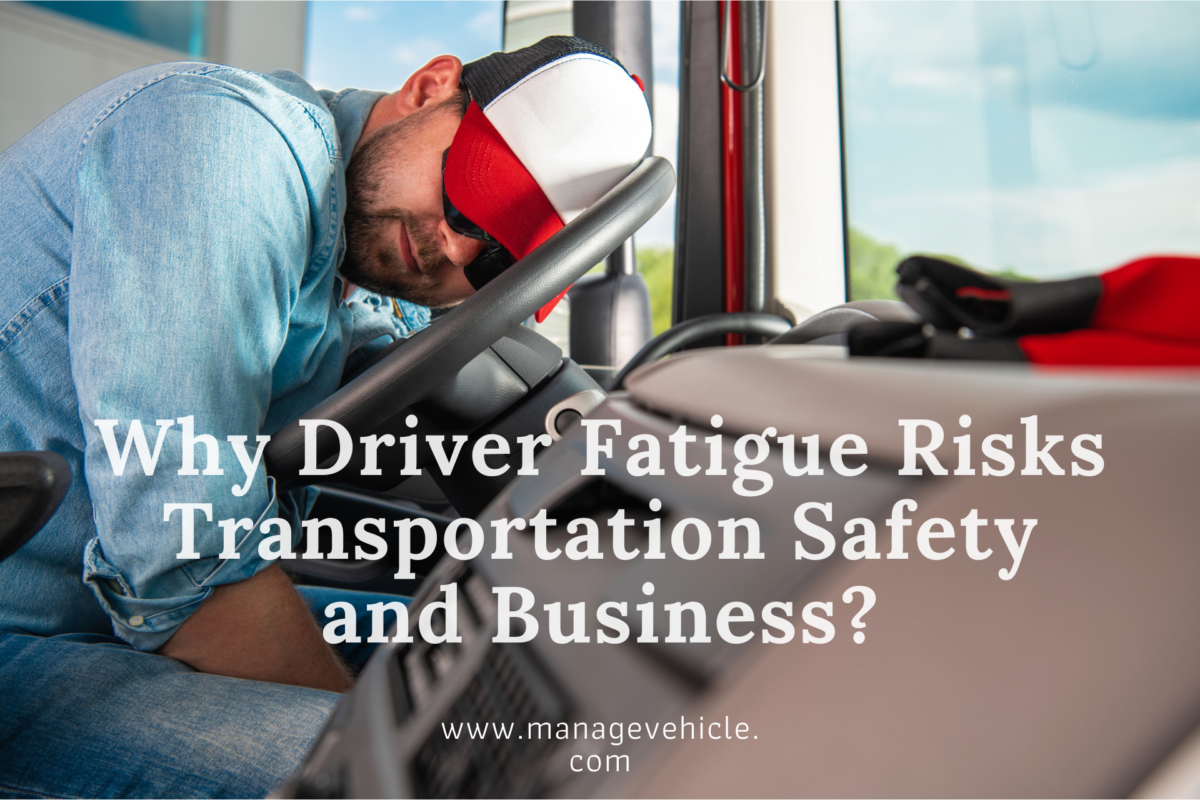
Why Driver Fatigue Is a Serious Risk for Transportation Businesses

Driver fatigue is a critical danger that receives minimal attention throughout the transportation industry. The condition creates significant challenges for transportation safety alongside operational efficiency and business brand reputation.

Reductions in driver attentiveness and delayed responses create elevated dangers of vehicle accidents along with their subsequent injuries.

Companies face financial damages while also facing legal responsibilities that create permanent impacts on their brand reputation.

This discussion examines the potential dangers that driver fatigue creates for transportation businesses through a detailed analysis of recent 4-channel fatigue detection camera innovations.

The Dangers of Driver Fatigue in the Transportation Industry

Driver fatigue emerges unexpectedly and creates a dangerous condition that mainly affects extended haulage operations and shifts beyond typical working hours.

At the moment a driver becomes exhausted, their mental capabilities decrease, causing impairments in their ability to receive signals from the surroundings and respond appropriately.

This situation can lead to delayed reaction times, poor judgment, and even microsleeps—brief episodes of sleep that last only a few seconds but are enough to cause catastrophic accidents.

Driver fatigue creates impacts that affect everyone who drives a vehicle. Driver fatigue creates significant risks for transportation companies that must deal with elevated insurance costs, car maintenance expenses, and court legal action.

Dirty work caused by exhausted drivers leads to serious injuries and deaths that create irreparable damage to a business’s reputation.

A single fatigue-related accident within the industry carries substantial long-term effects because safety and reliability stand as core priorities.

The Economic Impact of Driver Fatigue on Businesses

Driver fatigue doesn’t just endanger lives—it also has a profound economic impact on transportation businesses.

Truck accidents stemming from exhausted drivers create various adverse consequences comprising slow court processes together with higher insurance costs and payment demands.

Vehicle and freight damage resulting from tired drivers creates substantial monetary losses, which become especially problematic when shipments need delays or postponements.

Operating efficiency experiences adverse consequences from driver fatigue both directly and indirectly. The condition includes additional unplanned worker misses and scheduled absences that negatively affect work output and work routines.

Long-term operational inefficiencies eat into profit margins while reducing business competitiveness in an industry saturated with competition.

Companies that take steps to combat driver fatigue create both safer conditions on the road and improve their financial performance.

Legal and Regulatory Consequences of Ignoring Driver Fatigue

Transportation businesses that fail to address driver fatigue risk face severe legal and regulatory consequences. Global authorities now enforce rigorous policies about fatigue through mandated driver rest periods while observing driven hours.

Both civil and criminal consequences await companies that break regulatory requirements.

Businesses may face regulatory penalties and civil liability if a fatigued driver causes an accident. The legal practice of suing victim families results in expensive settlements or court decisions.

When companies are unable to prevent driver fatigue, they face additional issues finding insurance coverage and building new clientele, which leads to operational difficulties.

Read More: Fleet Management Software: Streamline Operations Efficiently

The Role of Technology in Combating Driver Fatigue

Advancements in technology have made it easier for transportation businesses to detect and prevent driver fatigue. One of the most promising solutions is the use of 4-channel fatigue detection cameras.

With artificial intelligence and advanced algorithms, these devices perform ongoing driver observation to detect fatigue-related signs, such as the automatic detection of eyelid droop and yawning, as well as unusual head motions.

The cameras notify driving staff, together with vehicle management authorities, about ways in which driver fatigue could develop, rendering such notifications helpful in preventing early accidents.

The technology integrates vehicle control systems that activate automatic speed reductions or complete stops when drivers fail to respond.

Drivers must pass driving safety checks before the organisation allows the use of its vehicles as a safety measure. Through its safety checks, the organisation demonstrates both driver protection and community protection while enhancing safety standards.

The Benefits of 4-Channel Fatigue Detection Cameras

4-channel fatigue detection cameras deliver an extensive technique to monitor driver drowsiness.

Fatigue detection devices surpass conventional systems through their implementation of multiple lenses that enable precise visibility across various views to improve reliability for detection systems.

A multi-channel detection system uses diverse camera positions to detect signs of fatigue, both well and less visible ones, and minimise false alarm occurrences.

The installation of cameras improves organisation fleet safety operations and also delivers substantial data advantages for fleet management practices.

Through continuous observation of driver behaviour patterns, businesses can develop individual prevention methods and expand driver education opportunities.

A data-based approach helps transportation and logistic businesses both prevent fatigue-related incidents and optimise operational performance as well as overall efficiency levels.

Explore: What Affects Truck Driving Behaviour? Key Factors and Solutions

Implementing a Fatigue Management Strategy

Technology serves as a crucial element in fighting exhausted driving yet represents a single aspect of complete fatigue management approaches. Transportation businesses should educate drivers about the dangers of fatigue.

Alertness and accident prevention require regular breaks together with proper nutrition, combined with sufficient sleep.

To create an atmosphere that prioritises safety, companies must establish systems that protect drivers who report signs of fatigue from negative consequences.

Strengthened driver relationships emerge from safety-oriented companies, which reduces the frequency of accidents caused by driving fatigue.

4-channel fatigue detection cameras, when utilised with current efforts, will establish a strong protective shield against road fatigue risks.

The Future of Driver Fatigue Prevention

The methods used to control driver fatigue will keep pace with emerging trends in the transportation industry. New technology developments show promise as methods that will make operations safer while reducing workload for drivers.

The implementation of these developments requires careful planning because they should tackle fatigue sources instead of managing their effects.

The deployment of advanced solutions enables transportation businesses to defend their drivers together with their assets and reputational standing. In doing so, they can create a safer, more sustainable future for the industry as a whole.

Now Trending: Transport Compliance Software: Is Your Fleet Business Compliant?

Here’s How 4-Channel Fatigue Detection Cameras Can Solve a Driver’s Problem

Safe transportation businesses face serious driver fatigue risks, which generate multiple safety issues, including traffic accidents, financial damages, and legal liabilities.

Companies should address this problem by using a comprehensive strategy that includes educational initiatives, training programs, and technological solutions.

The practical solution of real-time fatigue detection through 4-channel fatigue detection cameras enables continuous monitoring and instant alerts to stop fatigue-caused incidents.

These advanced cameras use multiple lenses and AI algorithms to detect signs of fatigue with unparalleled accuracy.

Integrating these devices into fleets enhances safety, boosts efficiency, and shows a commitment to protecting drivers and the public.

The transportation industry must actively welcome 4-channel FDDT cameras because they provide a crucial solution to reduce driver fatigue risks and improve overall safety for everyone.

Fatigue Detection Camera System: Enhancing Driver Safety

The fatigue detection camera system tracks driver alertness in live action through facial detail and eye tracking. This FDDT system identifies tiredness and distracted behaviour and alerts drivers to enhance road safety.

Implementing a fatigue detection camera system is advantageous for commercial fleet operations. It helps fleet managers enhance driver safety and efficiency.

Enhancing Road Safety with Fatigue Detection Camera Systems

This fatigue detection camera system observes driver activity by analyzing vehicle cameras and sensors to detect tiredness through facial and head monitoring. This system uses robust computer programs to examine measured data and detect driver attention levels.

The system sends instant warning messages to drivers to detect any signs of fatigue or distraction. These alerts prompt the driver to take necessary actions, such as resting or refocusing on the road.

Here’s How Fatigue Detection Camera Systems Monitor and Alert Drivers

These fatigue detection camera systems work with one camera on the front to record driver faces while their unit analyzes these images. The system watches and evaluates the driver’s blinking patterns, eye closure times and head movements.

By comparing these indicators against established fatigue thresholds, the system can accurately determine the driver’s alertness level. Upon detecting fatigue, it activates visual or auditory alerts to warn the driver.

Preventing Accidents with Fatigue Detection Technology for Safer Roads

A large number of road accidents occur due to fatigued drivers internationally. A fatigue detection camera system will help make our roads safer.

These systems watch drivers at all times and send warnings to stop accidents from drowsiness or attention problems. They also promote responsible driving behaviour and ensure compliance with safety regulations, particularly in commercial transportation sectors.

When is Fatigue Detection Essential for Fleet Safety?

Fleet managers or operators can use a fatigue detection camera system in any vehicle where driver alertness is critical. It includes commercial fleets, public transportation, and long-distance travel.

The FDDT system is particularly beneficial during extended driving periods, night shifts, or in regions with high accident rates due to driver fatigue. Moreover, it helps fleet businesses take action to reduce fatal risks ahead of time.

Adaptable Fatigue Camera Detection System for All Vehicles

Drivers can use this system in trucks, buses, and their cars, giving the technology a broad application scope. You install the camera directly on the dashboard or windshield to face the driver when setting it up.

By positioning cameras in this way, labs can better track drivers’ facial features and head movements to detect fatigue effectively.

Fatigue Detection Camera System: Safety for Drivers and Efficiency for Fleets

The primary beneficiaries of fatigue detection camera systems are drivers and fleet operators. Drivers gain from enhanced safety and reduced accident risk, leading to fewer injuries and fatalities.

Through better vehicle management and safety compliance, fleet operators can create safer operations and lower their legal exposure. Road users become safer because drivers operating TRUs face less risk of fatigue while driving.

How Does Manage Vehicle’s 4-Channel Fatigue Detection Camera System Enhance Fleet Management?

The 4-channel fatigue and distraction monitoring camera system from Manage Vehicle enables fleet operators to observe all relevant vehicle areas. The system allows unified video surveillance across all vehicle angles through its collection of cameras for ongoing driver monitoring.

This four-CH fatigue and distraction monitoring camera system provides precise drowsiness measurement and tracks many drivers operating in the same fleet.

The FDDT system analyzes driver alertness through four camera systems by running advanced computer processing techniques.

The device detects signs of driver fatigue or distraction and then sends an alert to let you fix the problem right away. This safety technique helps make drivers safer while boosting both fleet performance and company image.

Boosting Vehicle Safety with Real-Time Fatigue Detection Camera System

Driver alertness improves because fatigue detection camera systems monitor and track driver performance on the road.

Fleet businesses benefit most from this technology’s instant monitoring and warning features to combat driver exhaustion hazards. Safety system integration enables fleet managers to maintain safety standards and build a better operating environment with enhanced productivity.

Specifically, Manage Vehicle’s 4-channel fatigue and distraction monitoring camera system offers a robust solution for fleet management.

The system gives fleet owners practical ways to detect driver fatigue and make safety-related decisions through its real-time monitoring features and innovative analysis tools.

Stay updated to follow transportation industry trends and updates. Also, do not forget to contact us to learn more about our new 4-channel fatigue and distraction detection camera system!

Electronic Work Diary Benefits: What Fleets Gain in 2026

The main electronic work diary benefits are less admin and cleaner records, not fewer rules. An EWD that the NHVR has approved is a choice, not a requirement, and it carries the same legal duties as the written work diary. What it changes is how much of the work you do by hand.

This post covers what drivers, record keepers and operators actually gain from an EWD, what stays exactly the same, and how to decide if it suits your fleet. If you want the full rules and how to check an approval, start with our complete guide to the electronic work diary in Australia.

Is an electronic work diary compulsory?

No. The NHVR describes an EWD as an approved system that drivers can use as an alternative to a written work diary. What is compulsory, for many drivers, is keeping a work diary of some kind. Under the NHVR’s record keeping requirements, that applies when a driver works 100 km or more from base under standard hours, or works under BFM, AFM, ACA Fatigue or exemption hours at any distance. That diary can be either format.

So nobody is forced onto an EWD. The reasons to choose one are practical.

Electronic work diary benefits for drivers

Less working out by hand. An EWD handles the time calculations, so drivers aren’t doing rest and work arithmetic at the end of a long shift. The NHVR’s EWD compliance policy also expects an EWD to alert drivers to an upcoming rest period or deadline, which helps them avoid drifting over a limit without noticing.

Electronic Work Diaries (EWDs) Helps in Cost Management and Optimization

Time recorded to the nearest minute. A written diary uses 15-minute blocks. The NHVR’s EWD compliance policy requires EWDs to record time to the nearest minute, so drivers aren’t rounding up or down on paper.

A chance to fix mistakes before sign-off. Under the same policy, drivers can correct information before they approve their work and rest times at the end of each working day.

Simpler roadside checks. Approved EWDs have a compliance view that is shown to an authorised officer. The NHVR’s EWD brochure explains how that works.

Electronic work diary benefits for record keepers and operators

Records arrive automatically. The NHVR says the information a driver declares in an EWD goes to the record keeper automatically. That replaces collecting duplicate pages and typing them up later.

Electronic Work Diaries for Operational Accountability

Fewer handwriting and arithmetic errors. Paper records go wrong in ordinary ways: a missed entry, a wrong total, an unreadable page. An EWD cuts down on honest mistakes like these.

Better visibility for planning. When you can see where a driver sits against their limits, schedulers can plan around hours instead of finding out after the fact. That matters because schedulers carry their own duties under the HVNL. Our chain of responsibility guide explains how.

Records you can pull up quickly. Timestamped records are easier to produce when an auditor or an officer asks to see them, and they support the evidence you need to show you took reasonably practicable steps to manage fatigue.

One honest limit here. In the NHVR’s March 2026 Operation Ambit II campaign, false or misleading records were up 42%. An EWD makes accidental errors less likely, but it doesn’t stop someone who wants to falsify a record. Oversight of how records are made is still your job.

What an electronic work diary does not change

  • It is optional. There is no rule that says you must use one.
  • The legal duties are the same. The NHVR says drivers, operators, record keepers and authorised officers have the same obligations with an EWD as with a written diary.
  • Training is still required. The NHVR says drivers and operators need appropriate training on the EWD they use.
  • Planning and rest still matter. An EWD records and warns. It doesn’t schedule safe work or make sure drivers actually rest. Our guide to heavy vehicle work and rest hours covers the rules those records are measured against.
  • It has to be approved. An app that logs hours but isn’t on the NHVR register doesn’t count as a work diary.

What it costs to get fatigue records wrong in 2026

The amended HVNL started on 1 August 2026, and the penalty for the duty to avoid driving while fatigued rose from $8,000 to $26,610. The NHVR restructured around 70 penalties at the same time. Safety related penalties generally went up and administrative breach penalties generally went down.

Electronic Work Diaries to Boost Driver Efficiency and Productivity

Because record keeping and administrative figures moved, check the NHVR’s current penalties and infringements schedule before you quote a number for any specific record keeping offence. Our article on fatigue duty penalties in 2026 explains what changed and why.

Is an EWD right for your fleet?

Ask these four questions.

  1. Do your drivers have to keep a work diary? If most of your work is local and under standard hours, you may have less to gain.
  2. How much time do you lose to processing paper diaries? The more drivers and the longer their trips, the more an EWD can save.
  3. Can you train drivers and the people reviewing the records? Training is part of the deal.
  4. Do you want work diary data alongside the rest of your compliance records? It is more useful next to maintenance, driver and document records than on its own.

If the answer points to yes, our guide on how to set up an electronic work diary in your fleet covers rollout and driver onboarding, and the pillar guide explains how to compare providers and check an approval on the NHVR register.

Manage Vehicle’s NHVR-approved EWD

Manage Vehicle’s EWD is called MV Driver. It is listed on the NHVR EWD register under Manage Vehicle Pty Ltd, with certificate of approval number MANV-2026-001 and an initial approval date of 22 September 2026.

The approval covers the EWD. It sits inside the wider Manage Vehicle platform for fleet compliance, alongside fatigue management, maintenance, documents and reporting. You can see how the digital work diary fits in, or check our register entry yourself.

Frequently asked questions

What are the main benefits of an electronic work diary?

Less manual calculation, time recorded to the nearest minute, records that go to the record keeper automatically, alerts before limits are reached, and a compliance view for roadside checks.

Is an electronic work diary mandatory in Australia?

No. An approved EWD is a voluntary alternative to the written work diary. Many drivers must keep a work diary, and it can be either format.

Does an EWD reduce my legal obligations?

No. Drivers, operators, record keepers and authorised officers have the same obligations as with a written diary.

Can an EWD stop falsified records?

It reduces accidental errors, but it can’t stop deliberate falsification on its own. Operators still need to review and oversee how records are made.

How do I know an EWD is approved?

Check the NHVR EWD register for the EWD name, approval holder, certificate number and approval date.


Legal disclaimer: This article gives general information about electronic work diaries under the Heavy Vehicle National Law. It is not legal advice. Penalties and approvals change, so check current requirements on the NHVR website and get independent advice for your situation.

Fatigue Breaches: Work, Rest, Penalties Under HVNL Rules 2025

Fatigue breaches are violations of work-rest hours for heavy vehicle drivers as laid down by the Heavy Vehicle National Law (HVNL). These rules are very pivotal to the safety of the road and to the prevention of accidents caused by driver fatigue.

Negligence towards these rules and regulations can bring hefty fines and demerit points and seriously endanger public safety. Heavy vehicle drivers need to know the rules to avoid these severe repercussions.

The HVNL, with its changes and updates in 2025, emphasizes the need for comprehension of these rules.

This knowledge empowers heavy vehicle drivers to keep from being a recipient of harsh legal consequences, hence making the lives of the drivers and others safer on the road.

This article delves into the nuances of work and rest regulations, fatigue risk categories, and the implications of breaches for both solo and two-up drivers.

Fatigue Breaches and Contraventions of Standard Hours

Do you know how fatigue breaches? If drivers do not avoid driving while he is fatigued during any vehicle operations, then they have to pay the maximum penalty or infringement penalty up to $8000. Also, the demerit pints penalty will be 3 points.

In a nutshell, there are three work and rest options available:

  • Standard Hours
  • Basic Fatigue Management (BFM)
  • Advanced Fatigue Management (AFM)

If you haven’t undertaken one of the units of competency mentioned above and gained fatigue management accreditation, you must only operate under the Standard hours fatigue breaches.

This also applies to drivers if the business they work for does not hold BFM or AFM accreditation. So, here’s some important points that every solo and two-up drivers needs to follow-up to save themselves from fatigue breaches and infringement.

Standard Hours for Solo Drivers

1. What if a Solo Driver Works More than the Standard Working Hours?

  • Minor: if a solo driver works more than 5 ¼ hours in 5 ½ hours, or 7 ½ hours in 8 hours, 10 hours in 11 hours, or 12 hours and up to 12 ¾ hours in 24 hours, or 72 hours and up to 73 ½ hours in 7 days, or 144 hours and up to 145 ½ hours in 14 days – it is a minor fatigue risk breach.
  • Substantial: if a solo driver works more than 10 ¾ hours in 11 hours, or 12 ¾ hours and up to 13 ¼ hours in 24 hours, or 73 ½ hours and up to 74 ½ hours in 7 days, or 145 ½ hours and up to 146 ½ hours in 14 days – it is a substantial fatigue risk breach.
  • Severe: if a solo driver works more than 13 ¼ hours and up to 13 ½ hours in 24 hours, or 74 ½ hours and up to 75 hours in 7 days, or 146 ½ hours and up to 147 hours in 14 days – it is a severe fatigue risk breach.
  • Critical: if a solo driver works more than 13 ½ hours in 24 hours, or 75 hours in 7 days, or 147 hours in 14 days – it is a critical fatigue risk breach.

2. What if a Solo Driver Continuously Rests Less than The Standard Hours?

  • Minor: if a solo driver continuously rests less than 7 hours stationary rest in 24 hours, or 24 hours stationary rest in 7 days – it is a minor fatigue risk breach.
  • Substantial: if a solo driver continuously rests less than 6 ¼ hours stationary rest in 24 hours, or 23 ¼ hours stationary rest in 7 days – it is a substantial fatigue risk breach.
  • Severe: if a solo driver continuously rests less than 5 ¾ hours stationary rest in 24 hours, or 22 ¾ hours stationary rest in 7 days – it is a severe fatigue risk breach.
  • Critical: if a solo driver continuously rests less than 5 ½ hours stationary rest in 24 hours, or 22 ½ hours stationary rest in 7 days – it is a critical fatigue risk breach.

3. What if a Solo Driver takes Night Rest Breaks with Less Than the Standard Hours?

  • Minor: If a solo driver takes night rest breaks with less than 7 hours of stationary rest in 14 days – it is a minor fatigue risk breach.
  • Substantial: If a solo driver takes night rest breaks with less than 6 ¼ hours of stationary rest in 14 days – it is a substantial fatigue risk breach.
  • Severe: if a solo driver takes night rest breaks with less than 5 ¾ hours of stationary rest in 14 days – it is a severe fatigue risk breach.
  • Critical: if a solo driver takes night rest breaks with less than 5 ½ hours of stationary rest in 14 days – it is a critical fatigue risk breach.

4. What if a Solo Driver takes Consecutive Night Rest Breaks with Less Than the Standard Hours?

  • Minor: if a driver takes consecutive night rest breaks with less than 7 hours of stationary rest in 14 days – it is a minor fatigue risk breach.
  • Substantial: if a driver takes consecutive night rest breaks with less than 6 ¼ hours of stationary rest in 14 days – it is a substantial fatigue risk breach.
  • Severe: if a driver takes consecutive night rest breaks with less than 5 ¾ hours of stationary rest in 14 days – it is a severe fatigue risk breach.
  • Critical: if a driver takes consecutive night rest breaks with less than 5 ½ hours of stationary rest in 14 days – it is a critical fatigue risk breach.

As Per HVNL Penalty and Infringement Laws for Driver Fatigue Breaches

Operating under Standard Hours – Solo Drivers

  1. If there’s a minor fatigue risk breach, solo drivers have to pay $5,300 in maximum penalty and $530 in infringement penalty.
  2. If there’s a substantial fatigue risk breach, solo drivers have to pay $8,000 in maximum penalty and $800 in infringement penalty.
  3. If there’s a severe fatigue risk breach, solo drivers have to pay $13,310 in maximum penalty, $1,331 in infringement penalty and three demerit points penalty.
  4. If there’s a critical fatigue risk breach, solo drivers have to pay $20,000 in maximum penalty and four demerit points penalty.

Standard Hours for Two-up Drivers

1. What if Two-Up Drivers Work More than the Standard Working Hours?

  • Minor: if two-up drivers work more than 5 ¼ hours in 5 ½ hours, or 7 ½ hours in 8 hours, or 10 hours in 11 hours, or 12 hours and up to 12 ¾ hours in 24 hours, or 60 hours and up to 61 ½ hours in 7 days, or 120 hours and up to 121 ½ hours in 14 days – it is a minor fatigue risk breach.
  • Substantial: if two-up drivers work more than 10 ¾ hours in 11 hours, or 12 ¾ hours and up to 13 ¼ hours in 24 hours, or 61 ½ hours and up to 62 ½ hours in 7 days, or 121 ½ hours and up to 122 ½ hours in 14 days – it is a substantial fatigue risk breach.
  • Severe: if two-up drivers work more than 13 ¼ hours and up to 13 ½ hours in 24 hours, or 62 ½ hours and up to 63 hours in 7 days, or 122 ½ hours and up to 123 hours in 14 days – it is a severe fatigue risk breach.
  • Critical: if two-up drivers work more than 13 ½ hours in 24 hours, or 63 hours in 7 days, or 123 hours in 14 days – it is a critical fatigue risk breach.

2. What if Two-Up Drivers Continuously Rest Less Than the Standard Hours?

  • Minor: if two-up drivers continuously rest less than 5 hours stationary rest in 24 hours, or 10 hours stationary rest in 52 hours, or 24 hours stationary rest in 7 days – it is a minor fatigue risk breach.
  • Substantial: if two-up drivers continuously rest less than 4 ¼ hours stationary rest in 24 hours, or 9 ¼ hours stationary rest in 52 hours, or 23 ¼ hours stationary rest in 7 days – it is a substantial fatigue risk breach.
  • Severe: if two-up drivers continuously rest less than 3 ¾ hours stationary rest in 24 hours, or 8 ¾ hours stationary rest in 52 hours, or 22 ¾ hours stationary rest in 7 days – it is a severe fatigue risk breach.
  • Critical: if two-up drivers continuously rest less than 3 ½ hours stationary rest in 24 hours, or 8 ½ hours stationary rest in 52 hours, or 22 ½ hours stationary rest in 7 days – it is a critical fatigue risk breach.

3. What if Two-Up Drivers Take Night Rest Breaks with Less Than the Standard Hours?

  • Minor: if two-up drivers take night rest breaks with less than 7 hours of stationary rest in 14 days – it is a minor fatigue risk breach.
  • Substantial: if two-up drivers take night rest breaks with less than 6 ¼ hours of stationary rest in 14 days – it is a substantial fatigue risk breach.
  • Severe: if two-up drivers take night rest breaks with less than 5 ¾ hours of stationary rest in 14 days – it is a severe fatigue risk breach.
  • Critical: if two-up drivers take night rest breaks with less than 5 ½ hours of stationary rest in 14 days – it is a critical fatigue risk breach.

4. What if Two-Up Drivers Take Consecutive Night Rest Breaks with Less Than the Standard Hours?

  • Minor: if two-up drivers take consecutive night rest breaks with less than 7 hours of stationary rest in 14 days – it is a minor fatigue risk breach.
  • Substantial: if two-up drivers take consecutive night rest breaks with less than 6 ¼ hours of stationary rest in 14 days – it is a substantial fatigue risk breach.
  • Severe: if two-up drivers take consecutive night rest breaks with less than 5 ¾ hours of stationary rest in 14 days – it is a severe fatigue risk breach.
  • Critical: if two-up drivers take consecutive night rest breaks with less than 5 ½ hours of stationary rest in 14 days – it is a critical fatigue risk breach.

Penalties for Two-Up Driver Fatigue Breaches

Operating under Standard Hours – Two-Up Drivers

  1. Minor Fatigue Risk Breach: Two-up drivers are subject to a maximum penalty of $5,300 and an infringement penalty of $530.
  2. Substantial Fatigue Risk Breach: Two-up drivers are subject to a maximum penalty of $8,000 and an infringement penalty of $800.
  3. Severe Fatigue Risk Breach: Two-up drivers face a maximum penalty of $13,310, an infringement penalty of $1,331, and 3 demerit points.
  4. Critical Fatigue Risk Breach: Two-up drivers face a maximum penalty of $20,000 and a four demerit points penalty.

Also Read: Current Scenario of International Driving Conversion in Australia

Understanding BFM Hours Fatigue Breaches and Contraventions

Managing drowsiness is critical for ensuring road safety, and fatigue breaches in BFM hours can have profound implications for drivers.

This guide explores the various categories of risk for solo and two-up drivers under the Heavy Vehicle National Law (HVNL).

Fatigue Breaches in BFM Hours

1. Exceeding the BFM Hours Limit

  • Minor Breach: If a solo driver drives more than 6 hours in 6 ¼ hours, 8 ½ hours in 9 hours, 11 hours in 12 hours, or 14 hours to 14 ¾ hours in 24 hours, that would be considered a minor breach.

    It also includes working over 36 long/night hours in 7 days or 144 to 145 ½ hours in 14 days.
  • Substantial Breach: If a driver works for over 11 three-quarter hours within 12 hours or over 14 three-quarter hours within a 15-quarter-hour time over a 24-hour space, we deem it as a substantial breach.

    Additionally, working over 36 ¾ long/night hours in 7 days or 145 ½ to 146 ½ hours in 14 days falls under this category.
  • Severe Breach: If a solo driver works over 15 ¼ to 15 ½ hours in 24 hours, it is a severe breach. It includes working over 37 ¼ long/night hours in 7 days or 146 ½ to 147 hours in 14 days.
  • Critical Breach: If a solo driver works over 15 ½ hours in 24 hours, 37 ½ long/night hours in 7 days, or 147 hours in 14 days, it constitutes a critical breach.

2. Insufficient Rest Leads to Driver Fatigue Breaches

  • Minor Breach: If a solo driver takes less than 7 hours of stationary rest in 24 hours, it is a minor breach. It also applies to taking less than 24 hours of stationary rest after no more than 84 hours of work in 14 days.
  • Substantial Breach: If a solo driver takes less than 6 ¼ hours of stationary rest in 24 hours or less than 23 ¼ hours of stationary rest in 14 days, it is a substantial breach.
  • Severe Breach: If a solo driver takes less than 5 ¾ hours of stationary rest in 24 hours or less than 22 ¾ hours of stationary rest in 14 days, it is a severe breach.
  • Critical Breach: If a solo driver takes less than 5 ½ hours of stationary rest in 24 hours or less than 22 ½ hours of stationary rest in 14 days, it is a critical breach.

3. Night Rest Breaks Result in Driver Fatigue Breaches

  • Minor Breach: If a solo driver takes night rest breaks with less than 7 hours of stationary rest in 14 days, authorities classify it as a minor breach.
  • Substantial Breach: If a solo driver takes night rest breaks with less than 6 ¼ hours of stationary rest in 14 days, it is a considerable breach.
  • Severe Breach: If a solo driver takes night rest breaks with less than 5 ¾ hours of stationary rest in 14 days, it is a severe breach.
  • Critical Breach: If a solo driver takes night rest breaks with less than 5 ½ hours of stationary rest in 14 days, it is a critical breach.

Penalties and Infringement Violation in BFM Hours

  • Minor Breach: Drivers may face a maximum penalty of $5,300 and an infringement penalty of $530.
  • Substantial Breach: Drivers may face a maximum penalty of $8,000 and an infringement penalty of $800.
  • Severe Breach: Drivers may face a maximum penalty of $13,310, an infringement penalty of $1,331, and 3 demerit points.
  • Critical Breach: Drivers may face a maximum penalty of $20,000 and 4 demerit points.

Fatigue Breaches in BFM Hours for Two-Up Drivers

1. What Happens after the BFM Hours Limit Exceeds?

  • Minor Breach: If a two-up driver works more than 14 to 14 ¾ hours in 24 hours, authorities classify it as a minor breach. It also includes working over 70 to 71 ½ hours in 7 days or 140 to 141 ½ hours in 14 days.
  • Substantial Breach: If two-up drivers work over 14 ¾ to 15 ¼ hours in 24 hours, it is a considerable breach. Additionally, working over 71 ½ to 72 ½ hours in 7 days or 141 ½ to 142 ½ hours in 14 days falls under this category.
  • Severe Breach: If two-up drivers work over 15 ¼ to 15 ½ hours in 24 hours, it is a severe breach. It includes working over 72 ½ to 73 hours in 7 days or 142 ½ to 143 hours in 14 days.
  • Critical Breach: If two-up drivers work over 15 ½ hours in 24 hours, 73 hours in 7 days, or 143 hours in 14 days, it constitutes a critical breach.

2. How Insufficient Rest Steers Driver Fatigue Breach?

  • Minor Breach: If two-up drivers take less than 10 hours of stationary rest in 82 hours or less than 24 hours of stationary rest in 7 days, it is a minor breach.
  • Substantial Breach: If two-up drivers take less than 9 ¼ hours of stationary rest in 82 hours or less than 23 ¼ hours of stationary rest in 7 days, it is a substantial breach.
  • Severe Breach: If two-up drivers take less than 8 ¾ hours of stationary rest in 82 hours or less than 22 ¾ hours of stationary rest in 7 days, it is a severe breach.
  • Critical Breach: If two-up drivers take less than 8 ½ hours of stationary rest in 82 hours or less than 22 ½ hours of stationary rest in 7 days, it is a critical breach.

What is Maximum Fines for Two-Up Drivers in BFM Hours?

  1. Minor Breach: Drivers may face a maximum penalty of $5,300 and an infringement penalty of $530.
  2. Substantial Breach: Drivers may face a maximum penalty of $8,000 and an infringement penalty of $800.
  3. Severe Breach: Drivers may face a maximum penalty of $13,310, an infringement penalty of $1,331, and 3 demerit points.
  4. Critical Breach: Drivers may face a maximum penalty of $20,000 and 4 demerit points.

Explore: Australia’s EV Transition: Key Wins and Challenges Ahead of 2025

Risk Classification of Contraventions in AFM Hours

Thresholds for Escalated Risk Contraventions in AFM Hours

An elevated limit violation takes place when AFM hours go above a certain defined threshold. In addition, exceeding set threshold values for AFM hours indicates increased safety risks involved.

Within Any 24-Hour Period

  • A driver is not allowed to work for more than 15 ½ hours of total work time within any 24 hours.
  • Within 24 consecutive hours, a driver must receive at least 7 hours of uninterrupted period without motion. For the two-up driving arrangement, such a period might also include either seven continuous hours not spent moving or sleeping in an approved sleeper berth in a moving vehicle.

In Any 14-Day Period (336 Hours)

  • A driver must not exceed 154 hours of total work time within any 14 days.
  • A driver is required to take a stationary rest of 30 hours in every 14 days. The conditions of this rest are that it will include two consecutive nights during which there are two timeframes from midnight to 6:00 relative to the time zone of the base.

In 28-Day Period (672 Hours)

  • A driver must not exceed 288 hours of total work time within any 28 days.

Contraventions for Escalated Risk in AFM Hours

In Any Period of Less Than 7 Days

If a driver works beyond the maximum allowable work time or rests less than the minimum required rest time:

  • A substantial breach occurs when the driver exceeds the maximum work time by up to 15 minutes.
  • A severe breach occurs when the driver exceeds the maximum work time by 15 to 30 minutes.
  • A critical breach occurs when the driver exceeds the maximum work time by more than 30 minutes.

In Any Period of More Than 7 Days

If a driver exceeds the maximum work time:

  • A substantial breach occurs when the driver exceeds the maximum work time by up to 30 minutes.
  • A severe breach occurs when the driver exceeds the maximum work time by 30 minutes to 1 hour.
  • A critical breach occurs when the driver exceeds the maximum work time by more than 1 hour.

Penalties and Infringement (As per HVNL Laws for Driver Fatigue Breaches)

  • For a substantial breach, the driver is liable to pay a maximum penalty of $8,000 and an infringement penalty of $800.
  • For a severe breach, the driver faces a maximum penalty of $13,310 and 3 demerit points on their record.
  • For a critical breach, the driver is subject to a maximum penalty of $20,000 and 4 demerit points.

Other Contraventions in AFM Hours

Any Period of Less Than 7 Days

If a driver fails to meet the required rest time:

  • A minor breach occurs when the driver misses the required rest time by up to 45 minutes.
  • A substantial breach occurs when the driver misses the needed rest time by 45 to 75 minutes.
  • A severe breach occurs when the driver misses the required rest time by 75 to 90 minutes.
  • A critical breach occurs when the driver misses the time of necessary rest by more than 90 minutes.

Any Period of More Than 7 Days

If a driver exceeds the maximum allowable work time:

  • A minor breach occurs when the driver exceeds the work time by up to 1 ½ hours.
  • A substantial breach occurs when the driver exceeds the work time by 1 ½ to 2 ½ hours.
  • A severe breach occurs when the driver exceeds the work time by 2 ½ to 3 hours.
  • A critical breach occurs when the driver exceeds the work time by more than 3 hours.

Penalties and Infringement (As per HVNL Laws for Driver Fatigue Breaches)

  • For a minor breach, the driver faces a maximum penalty of $5,300 and an infringement penalty of $530.
  • For a substantial breach, the driver is liable to pay a maximum penalty of $8,000 and an infringement penalty of $800.
  • For a severe breach, the driver faces a maximum penalty of $13,310 and 3 demerit points.
  • For a critical breach, the driver is subject to a maximum penalty of $20,000 and 4 demerit points.

Exemption Hours in AFM

Any Period of Less Than 7 Days

In the event that a driver does not meet a minimum rest time requirement:

  • A minor breach occurs when the driver is short of the required rest time by up to 45 minutes.
  • A substantial breach occurs when the driver is short of the necessary rest time by 45 to 75 minutes.
  • A severe breach occurs when the driver is short of the essential rest time by 75 to 90 minutes.
  • A critical breach occurs when the driver is short of the necessary rest time by more than 90 minutes.

Any Period of More Than 7 Days

If a driver exceeds the maximum work time allowance:

  • A minor breach occurs when the driver exceeds the maximum work time by up to 1 ½ hours.
  • A substantial breach occurs when the driver exceeds the maximum work time by 1 ½ to 2 ½ hours.
  • A severe breach occurs when the driver exceeds the maximum work time by 2 ½ to 3 hours.
  • A critical breach occurs when the driver exceeds the maximum work time by more than 3 hours.

Penalties (As per HVNL Laws for Exemption Hours)

  • For a minor breach, the driver faces a maximum penalty of $5,300 and an infringement penalty of $530.
  • For a substantial breach, the driver is liable to pay a maximum penalty of $8,000 and an infringement penalty of $800.
  • For a severe breach, the driver faces a maximum penalty of $13,310 and 3 demerit points.
  • For a critical breach, the driver is subject to a maximum penalty of $20,000 and 4 demerit points.

The new HVNL fatigue management framework provides greater road safety and health for heavy vehicle operators. It is a must that drivers and operators understand these regulations to avert penalties, ensure compliance, and put public safety first.

Trending: Chain of Responsibility 2.0: Accountability Can’t Be Outsourced

Blue Eagle Transport Adopts 4-Channel Fatigue Detection Camera

Blue Eagle Transport, headquartered in Truganina, Victoria, and operating out of Lindenow, Victoria, has taken a proactive step in prioritizing driver safety.

With the utilization of the Manage Vehicle 4-channel fatigue and distraction detection camera system is actually one of the most modern and well-proven solutions for keeping your drivers attentive and therefore less prone to accidents due to fatigue or distraction.

Blue Eagle Transport is backing this budding solution to enhance road safety and demonstrate foresight and thinking ahead in compliance and operational excellence.

It is the company’s investment strategy for protecting drivers and developing the roads in and around Australia.

The Role of Fatigue and Distraction Detection Technology

Our new 4-channel fatigue and distraction detection camera system monitors the driver’s behaviour while identifying early signs of fatigue and inattention. Real-time alerts enable the driver to seek help before a possible mishap.

These proactive technologies assume specific importance regarding accident prevention, management of driver fatigue, and compliance with safety standards.

The innovative solution is already yielding a good return for Blue Eagle Transport. The company credits its modern safety solutions for a more significant improvement in the well-being of its drivers and for creating some added business opportunities.

Also Read: Five Key Updates in the Transport Industry This Week

Why is Fatigue and Distraction Detection Technology Important?

Most of the times distracting and fatigue are major reasons for injuries and deaths in road accidents. New detection technologies like 4-channel cameras in real-time driver behavior can play an important role to manage this risk.

Using machine vision and AI, these systems detect signs of fatigue or distraction through indicators such as eye movements, head positioning, or drowsiness. It issues instant alerts to keep drivers focused and safe.

These systems ensure road safety while maximizing business operations by reducing accidents and remaining compliant with safety regulations.

Fleet managers are applying these technologies to enhance drivers’ wellbeing. Also, to protect their assets, and proactively engage in safety measures for their organization.

A Big Thank You to Blue Eagle Transport

We sincerely thank Blue Eagle Transport for choosing us for their fleet safety. Their team is already seeing benefits of implementing our SaaS product. We are proud to be part of their journey and excited to see making an impact in the tertiary sector.

Fleet managers, transport operators, and truck drivers: now is the time to transform your safety measures. Manage Vehicle concerns all vehicle fatigue and distraction detection systems to decrease risks, improve compliance, and foster business growth.

So, investing in technology will bring a safer road today and a brighter tomorrow for driving.

Explore More: B-Double Brake Defect Notice Issued for Safety Breach