Driver fatigue is a critical danger that receives minimal attention throughout the transportation industry. The condition creates significant challenges for transportation safety alongside operational efficiency and business brand reputation.
Reductions in driver attentiveness and delayed responses create elevated dangers of vehicle accidents along with their subsequent injuries.
Companies face financial damages while also facing legal responsibilities that create permanent impacts on their brand reputation.
This discussion examines the potential dangers that driver fatigue creates for transportation businesses through a detailed analysis of recent 4-channel fatigue detection camera innovations.
The Dangers of Driver Fatigue in the Transportation Industry
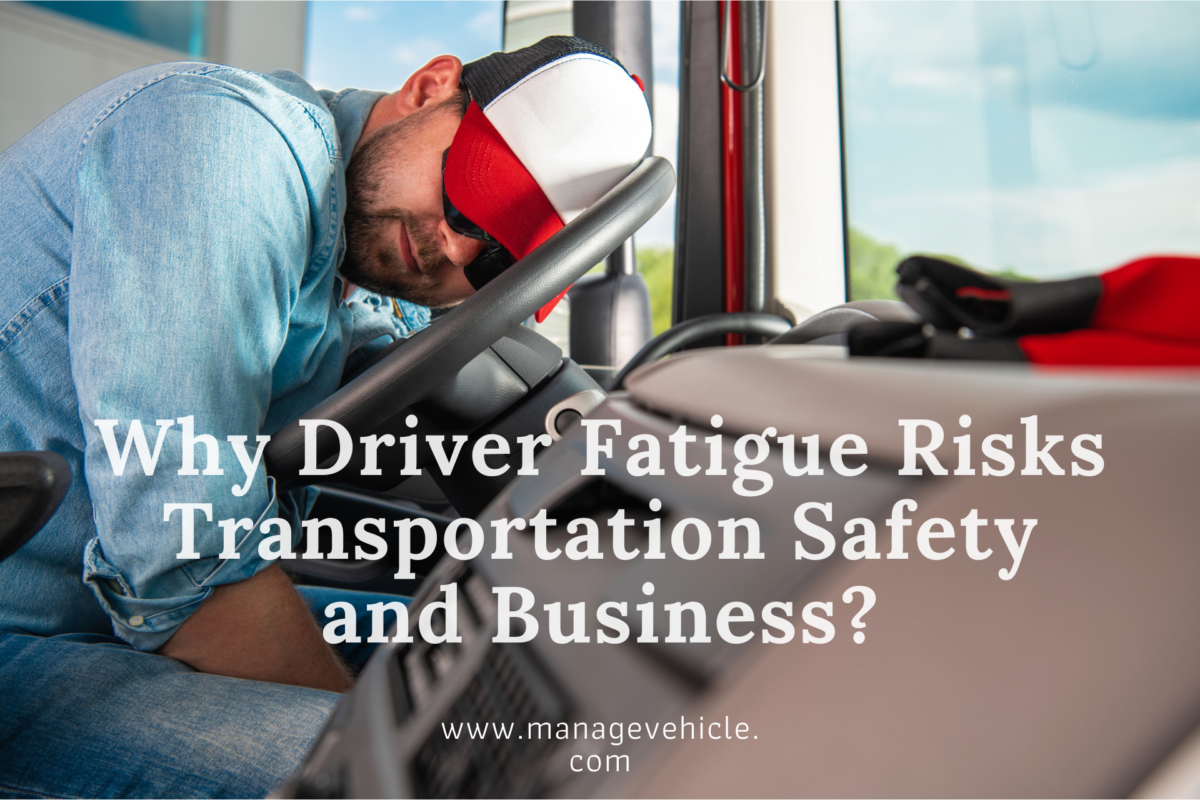
Driver fatigue emerges unexpectedly and creates a dangerous condition that mainly affects extended haulage operations and shifts beyond typical working hours.
At the moment a driver becomes exhausted, their mental capabilities decrease, causing impairments in their ability to receive signals from the surroundings and respond appropriately.
This situation can lead to delayed reaction times, poor judgment, and even microsleeps—brief episodes of sleep that last only a few seconds but are enough to cause catastrophic accidents.
Driver fatigue creates impacts that affect everyone who drives a vehicle. Driver fatigue creates significant risks for transportation companies that must deal with elevated insurance costs, car maintenance expenses, and court legal action.
Dirty work caused by exhausted drivers leads to serious injuries and deaths that create irreparable damage to a business’s reputation.
A single fatigue-related accident within the industry carries substantial long-term effects because safety and reliability stand as core priorities.
The Economic Impact of Driver Fatigue on Businesses
Driver fatigue doesn’t just endanger lives—it also has a profound economic impact on transportation businesses.
Truck accidents stemming from exhausted drivers create various adverse consequences comprising slow court processes together with higher insurance costs and payment demands.
Vehicle and freight damage resulting from tired drivers creates substantial monetary losses, which become especially problematic when shipments need delays or postponements.
Operating efficiency experiences adverse consequences from driver fatigue both directly and indirectly. The condition includes additional unplanned worker misses and scheduled absences that negatively affect work output and work routines.
Long-term operational inefficiencies eat into profit margins while reducing business competitiveness in an industry saturated with competition.
Companies that take steps to combat driver fatigue create both safer conditions on the road and improve their financial performance.
Legal and Regulatory Consequences of Ignoring Driver Fatigue
Transportation businesses that fail to address driver fatigue risk face severe legal and regulatory consequences. Global authorities now enforce rigorous policies about fatigue through mandated driver rest periods while observing driven hours.
Both civil and criminal consequences await companies that break regulatory requirements.
Businesses may face regulatory penalties and civil liability if a fatigued driver causes an accident. The legal practice of suing victim families results in expensive settlements or court decisions.
When companies are unable to prevent driver fatigue, they face additional issues finding insurance coverage and building new clientele, which leads to operational difficulties.
Read More: Fleet Management Software: Streamline Operations Efficiently
The Role of Technology in Combating Driver Fatigue
Advancements in technology have made it easier for transportation businesses to detect and prevent driver fatigue. One of the most promising solutions is the use of 4-channel fatigue detection cameras.
With artificial intelligence and advanced algorithms, these devices perform ongoing driver observation to detect fatigue-related signs, such as the automatic detection of eyelid droop and yawning, as well as unusual head motions.
The cameras notify driving staff, together with vehicle management authorities, about ways in which driver fatigue could develop, rendering such notifications helpful in preventing early accidents.
The technology integrates vehicle control systems that activate automatic speed reductions or complete stops when drivers fail to respond.
Drivers must pass driving safety checks before the organisation allows the use of its vehicles as a safety measure. Through its safety checks, the organisation demonstrates both driver protection and community protection while enhancing safety standards.
The Benefits of 4-Channel Fatigue Detection Cameras
4-channel fatigue detection cameras deliver an extensive technique to monitor driver drowsiness.
Fatigue detection devices surpass conventional systems through their implementation of multiple lenses that enable precise visibility across various views to improve reliability for detection systems.
A multi-channel detection system uses diverse camera positions to detect signs of fatigue, both well and less visible ones, and minimise false alarm occurrences.
The installation of cameras improves organisation fleet safety operations and also delivers substantial data advantages for fleet management practices.
Through continuous observation of driver behaviour patterns, businesses can develop individual prevention methods and expand driver education opportunities.
A data-based approach helps transportation and logistic businesses both prevent fatigue-related incidents and optimise operational performance as well as overall efficiency levels.
Explore: What Affects Truck Driving Behaviour? Key Factors and Solutions
Implementing a Fatigue Management Strategy
Technology serves as a crucial element in fighting exhausted driving yet represents a single aspect of complete fatigue management approaches. Transportation businesses should educate drivers about the dangers of fatigue.
Alertness and accident prevention require regular breaks together with proper nutrition, combined with sufficient sleep.
To create an atmosphere that prioritises safety, companies must establish systems that protect drivers who report signs of fatigue from negative consequences.
Strengthened driver relationships emerge from safety-oriented companies, which reduces the frequency of accidents caused by driving fatigue.
4-channel fatigue detection cameras, when utilised with current efforts, will establish a strong protective shield against road fatigue risks.
The Future of Driver Fatigue Prevention
The methods used to control driver fatigue will keep pace with emerging trends in the transportation industry. New technology developments show promise as methods that will make operations safer while reducing workload for drivers.
The implementation of these developments requires careful planning because they should tackle fatigue sources instead of managing their effects.
The deployment of advanced solutions enables transportation businesses to defend their drivers together with their assets and reputational standing. In doing so, they can create a safer, more sustainable future for the industry as a whole.
Now Trending: Transport Compliance Software: Is Your Fleet Business Compliant?
Here’s How 4-Channel Fatigue Detection Cameras Can Solve a Driver’s Problem
Safe transportation businesses face serious driver fatigue risks, which generate multiple safety issues, including traffic accidents, financial damages, and legal liabilities.
Companies should address this problem by using a comprehensive strategy that includes educational initiatives, training programs, and technological solutions.
The practical solution of real-time fatigue detection through 4-channel fatigue detection cameras enables continuous monitoring and instant alerts to stop fatigue-caused incidents.
These advanced cameras use multiple lenses and AI algorithms to detect signs of fatigue with unparalleled accuracy.
Integrating these devices into fleets enhances safety, boosts efficiency, and shows a commitment to protecting drivers and the public.
The transportation industry must actively welcome 4-channel FDDT cameras because they provide a crucial solution to reduce driver fatigue risks and improve overall safety for everyone.