Transport management software is no longer a luxury for the biggest players, it’s an essential tool for any Australian transport business that wants to stay competitive and profitable.
In an industry where margins are tight and every litre of fuel counts, having a centralised system to manage your operations isn’t just organising, it’s about survival and growth.
You’ve likely felt the pressure from recent headlines about fluctuating fuel prices and the continued push for stronger Chain of Responsibility (COR) compliance. Navigating this landscape requires more than just gut instinct; it requires precise, actionable data.
That’s where our transport management system built for unique challenges comes in. Let’s dive into how the right software, like Manage Vehicle, directly tackles the biggest pain points for Aussie operators.
1. Cutting Costs Without Cutting Corners: Our Data-Driven Guide for Your Time and Money
The first step to saving money is knowing exactly where it’s being spent. Manage Vehicle gives you a crystal-clear view of your biggest expenses like fuel, maintenance, and labour.
Instead of guessing, you can see reports on idling time, inefficient vehicle use, and even compare fuel consumption across similar routes and drivers.
This data allows you to move from reactive cost-cutting to proactive cost optimisation, ensuring you’re never wasting a dollar.
Transform your biggest expenses into your most significant savings. We show you how to use real data to optimise fuel, maintenance, and labour costs for good. | Image Source: Delivery Solutions
For example, you might identify that one truck is consistently using more fuel than others on the same run. Is it a vehicle issue or a driver behaviour problem?
With this insight, you can address the root cause, whether it’s scheduling a mechanical check or providing targeted coaching to the driver.
By making small, data-informed adjustments across your fleet, the savings compound significantly, directly boosting your bottom line.
2. Smarter Routes, Smoother Operations with Manage Vehicle’s Transport Management Software
We all know that the shortest distance isn’t always the fastest or most cost-effective. Manage Vehicle’s route optimisation considers real-world factors like traffic conditions, road tolls, and even road type and weight restrictions.
Manage Vehicle’s transport management system automatically plans the most efficient sequence of stops, reducing unnecessary kilometres and minimising fuel burn. For a driver, this means less time stuck in traffic and more time completing jobs.
Ditch the traffic, not the profits. Manage Vehicle’s smart routing calculates the most cost-effective path in real-time, slashing fuel use and vehicle wear. Your fleet and your budget will run smoother. | Image Source: YouTube
But the benefits go beyond fuel. A smoother, optimised route means less wear and tear from constant stopping and starting, and less stress on vehicles from rough, unsealed roads where appropriate.
This proactive approach to routing not only saves you money at the bowser. It also prevents premature damage to tyres, brakes, and suspensions, thereby extending the life of your assets.
3. Stop Breakdowns Before They Happen: Proactive Maintenance for Maximum Uptime
Unexpected breakdowns are a fleet manager’s worst nightmare, causing costly delays and frustrating drivers and customers alike. Manage Vehicle turns maintenance from a reactive headache into a proactive strategy.
Manage Vehicle’s transport management system automatically tracks odometer readings and engine hours. You’ll receive alerts for upcoming services, rego renewals, and tyre changes based on the schedules you set.
A broken-down truck costs you a job today and a customer tomorrow. Discover how Manage Vehicle’s proactive maintenance scheduling maximises your uptime, your revenue, and your peace of mind. | Image Source: FleetHD
This means you can schedule servicing during quiet periods, avoiding the disruption of a truck being off the road during a critical job.
Your drivers can also use the mobile app to perform quick pre-start checks and report any minor issues before they become major, expensive repairs.
This seamless approach ensures compliance and keeps your fleet safely on the road, earning money, not stuck in the workshop costing it.
4. Getting You Up and Running with Manage Vehicle’s Transport Management Software
We know you can’t afford to have your operations on hold for months. That’s why we’ve designed the implementation of Manage Vehicle to be quick and painless.
Typically, most of our customers are up and running with the core features within just a few weeks.
The process is built on a simple, three-step partnership. Together, we plan your setup, import your existing data, and train your team until they feel confident.
Worried about a messy, disruptive switch? Don’t be. We get you up and running with Manage Vehicle in just a few weeks, so you can start optimizing your fleet without stopping it. Seamless setup, serious savings. | Image Source: Youtube
Our dedicated Australian-based support team guides you through every step, ensuring the transition is smooth.
We focus on getting you the most valuable features first. This allows you to start seeing a return on your investment almost immediately, without the usual technical headache.
Ready to see how Manage Vehicle can transform your transport operation? Stop letting rising costs and unexpected downtime control your business.
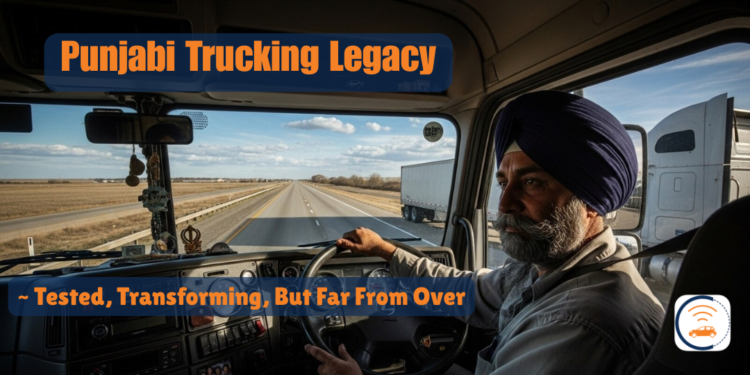
The Punjabi trucking legacy on North America’s highways has long been more than a profession. It stands as a moving testament to resilience, faith, and the pursuit of opportunity.
Today, that legacy faces its most severe test as recent tragedies cast long shadows over an entire community.
The very industry they helped build now views them with suspicion, and the dreams woven into countless miles of asphalt suddenly feel fragile.
Yet, behind the headlines and harsh rhetoric lies a more complex story of community, contribution, and quiet perseverance that demands to be heard.
Punjabi Sikhs are a cornerstone of the trucking industry, making up roughly 20% of all U.S. truckers and a large portion in Australia. This success grew from a self-sustaining community that provided mentorship and built businesses.
The profession also uniquely accommodates their religious practices, like wearing turbans and keeping uncut hair.
Causes of the Crisis: Recent Tragedies and Their Implications on Punjabi Trucking Legacy
The Punjabi trucking community now finds itself at a crossroads following two devastating accidents that have triggered national scrutiny and heated immigration debates.
The California Case: Jashanpreet Singh, 21 Year Old Truck Driver
On Tuesday, 28th October, tragedy struck a California freeway when 21-year-old truck driver Jashanpreet Singh allegedly drove while intoxicated, resulting in a crash that killed three people.
Singh has been charged with three counts of gross vehicular manslaughter while intoxicated and one count of driving under the influence of a drug.
Jashanpreet Singh, whose not-guilty plea sparked a national debate on trucking and immigration. | Image Source: ABC10
Despite pleading not guilty, the case has become a flashpoint in immigration debates. The Department of Homeland Security revealed Singh entered the U.S. illegally from India in 2022.
His requirement for a Punjabi interpreter during court proceedings raised questions about how he obtained a commercial driver’s license despite apparent English proficiency limitations.
Harjinder Singh, the truck driver charged with vehicular homicide after a wrong U-turn on the Florida Turnpike. | Image Source: Times of India
The charges against him include three counts each of vehicular homicide and manslaughter.
Authorities stated that Singh entered the U.S. illegally from Mexico in 2018 and was processed for fast-track deportation. However, he was later released on a $5,000 bond after claiming a fear of returning to India.
His work authorization, denied during Trump’s first term, was granted under the Biden administration in 2021.
The case drew additional attention when Singh failed an English proficiency test after the accident. He answered only two of twelve questions and identified just one of four road signs.
Aspect
Jashanpreet Singh (California)
Harjinder Singh (Florida)
Date
October 2025
August 2025
Charges
Gross vehicular manslaughter while intoxicated, DUI
Vehicular homicide, manslaughter
Immigration Status
Entered illegally in 2022
Entered illegally in 2018
English Proficiency
Required Punjabi interpreter in court
Failed post-accident English test
Policy Impact
Triggered MAGA backlash against immigrants
Prompted Trump administration to freeze trucker visas
Comparison of Two Recent Accident Cases. | Source: Times of India, News.com.au
Consequences: Punjabi Trucking Legacy Under Scrutiny
The aftermath of these tragedies has extended far beyond the courtroom. It has had real-world consequences for the Punjabi trucking community and sparked policy changes.
Harassment and Fear
In the wake of these incidents, Sikh truckers across the United States have reported increased harassment and discrimination.
The North American Punjabi Trucking Association has received numerous reports of Sikh drivers being targeted. In one instance, a Sikh man was ejected from an Oklahoma truck stop for trying to take a shower.
Increased scrutiny is now threatening thousands of Punjabi Sikh truck drivers, the very backbone of American commerce. | Image Source: LA Times
Sukhpreet Waraich, a trucker who owns an interstate freight carrier in Fontana, California, expressed the community’s anxiety:
“I’ve been talking to a lot of truck drivers, and they’ve been saying, ‘People look at us different now'”.
The political fallout has been swift and significant. Following the Florida crash, the Trump administration announced an immediate pause on all issuances of commercial truck driver work visas.
U.S. Secretary of Transportation Sean Duffy condemned what he called “despicable failures” in the system, vowing to “use every tool at our disposal to hold these states and bad actors accountable”.
U.S. Secretary of Transportation Sean Duffy, who announced a freeze on truck driver visas following the fatal accidents. | Image Source: Yahoo
In response, Sikh communities have proactively launched English language classes to address proficiency concerns.
Beyond the Stereotypes: Success Stories and Diverse Narratives
While recent tragedies have dominated headlines, they represent only a small fraction of the Punjabi trucking experience.
Beyond the negative stereotypes lies a richer tapestry of stories that showcase the community’s resilience, diversity, and valuable contributions.
For every driver involved in an accident, there are thousands of Punjabi truckers who operate safely and professionally year after year. Sukhpreet Waraich, one of the many drivers concerned about increased scrutiny, proudly states,
“I’ve been driving since 2019. I haven’t got a single ticket”.
Many American-Punjabi truck drivers point out that they immigrated to the United States “the right way, legally.” They emphasize their commitment to safety and their respect for the country’s people and values.
As one Punjabi truckie eloquently expressed, “We’re judged not by our hearts or our work, but by the mistakes of a few. That hurts… because we’re part of the same road, the same dream”.
Sandeep Kaur: Breaking Barriers in Brisbane
In Australia, Sandeep Kaur represents the vibrant future of Punjabi trucking, shattering multiple stereotypes simultaneously as a female heavy vehicle operator.
Ms. Kaur hails from a small village, Goraya in Punjab and overcame significant personal challenges, including the early loss of her father and financial hardships. She later came to Australia as an international student from India in 2013.
In Australia’s male-dominated trucking industry, Sandeep Kaur stands out as one of the few women behind the wheel of a heavy vehicle. | Image Source: SBS Punjabi
Today, she navigates massive B-double trucks through interstate routes from Brisbane to Sydney, Melbourne, and Adelaide.
“This is not as difficult as I thought it to be. All you have to do is drive your load and finish the given task. You are your own boss. Your gender doesn’t matter here”. Ms. Kaur says in an interview with SBS Punjabi.
Ms. Kaur credits her mother as her inspiration and emphasizes mindset over external barriers,
“The first barrier is your own mind. Once you overcome that, everything else becomes so simple”.
Despite societal pressures that often discourage women from unconventional careers, Kaur remains focused on her goals. She aims to run her own fleet of heavy vehicles within ten years.
Satnam Singh: From Detention to Business Ownership
On Reddit, a user asked, “Why the Punjabi Sikh Community is so Active in Trucking as Compared to Other Professions?”
In response, American-Punjabi truck driver Satnam Singh offered a powerful testimony of transformation through the profession.
Journalist Shreen Khan joins Satnam Singh, a Punjabi Sikh trucker who crossed the U.S.-Mexico border, faced detention, and now owns a lucrative trucking company, to learn the story behind his remarkable journey. | Image Source: AJ+ on X.com
Mr. Singh explained that trucking provides crucial opportunities for immigrants who may lack college degrees or strong English skills but possess a strong work ethic.
“Trucking isa hard job but weare willing to work hard,” Mr. Singh said.
He highlighted the freedom the profession offers, the ability to set one’s own schedule and determine one’s workload.
Satnam Singh’s story echoes the experiences of thousands who have found economic mobility through transportation.
Punjabi Trucking Legacy: Tested, Not Broken!
The Punjabi trucking legacy is not falling, it’s being tested. Like any community, it has its challenges and individuals who make tragic mistakes, but these exceptions do not define the whole.
The true Punjabi trucking legacy is built on countless safe journeys, immense economic contributions, and the religious freedom found on the open road.
It is a story of generational perseverance that has made these truckers indispensable to countries across the world.
The enduring symbol of a community’s resilience: a Sikh trucker continues the long haul, upholding a legacy that persists despite its challenges. | Image Source: CTV News
The road ahead requires balance. This approach acknowledges where the community must improve while refusing to let isolated incidents erase decades of contribution.
The moral is not that the Punjabi trucking legacy is collapsing. Rather, it is evolving, facing modern challenges while maintaining its core values of hard work, faith, and family.
The trucking industry is adapting to new regulations and safety standards. The community’s resilience shows this isn’t an end, but another mile in the long journey of an extraordinary diaspora success story.
Drive Safer with Manage Vehicle Software
In light of recent tragedies, technology now offers powerful tools to prevent accidents before they happen.
Manage Vehicle’s fleet compliance management software provides drivers with essential safety features. It provides you with a digital logbook, a driver training toolbox, optimized routes, and real-time insights for proactive maintenance.
Navigate with confidence: Modern fleet management software provides real-time insights and tools to help ensure every journey is a safe one. | Image Source: The Bains Firm
Manage Vehicle ensure compliance with regulations, manage driver fatigue, and maintain vehicles in optimal condition. In doing so, they directly address several key factors that contribute to road incidents.
Whether you’re an owner-operator or part of a larger fleet, embracing such technology represents a positive step toward safer highways for everyone. Start Your Free Trial Today for 30 Days!
In today’s challenging landscape, fleet management is essential. It has evolved from an operational goal to the very cornerstone of business survival.
The transition to electric vehicles, new environmental regulations, and the pressure of a competitive labor market are reshaping the industry landscape.
For instance, 2025 data confirms a historic shift: electric fleet vehicles now consistently offer an 11% usage cost advantage over combustion engines, becoming profitable from 80,000 km.
In this article, we try to answer most frequently asked questions on the internet by fleet managers and truck drivers, providing actionable answers to navigate these complex challenges.
1. How Do You Create and Prioritize a Preventive Maintenance Schedule for a Fleet?
Preventive maintenance is the key to a reliable and profitable fleet. Instead of waiting for expensive breakdowns, you schedule maintenance to prevent them. This keeps your vehicles on the road, extends their life, and saves money.
How it works? You create a schedule for each vehicle based on its manual, mileage, and use. Fleet management software can automate this, sending reminders for oil changes, brake checks, and tire rotations.
Proactive preventive maintenance is the key to maximizing vehicle uptime and avoiding costly roadside breakdowns. | Image Source: White Label
The payoff is clear! Proactive fleets can reduce yearly repair costs by 25-35% and are significantly safer, as potential problems are fixed before they can cause an accident.
2. What are Your Strategies for Reducing Fleet Operational Costs?
Cut your fleet costs by focusing on three key areas: fuel, vehicles, and drivers. A smart, data-driven approach can reduce your budget by up to 30%.
Combat rising fuel costs with a data-driven management system that tracks consumption and identifies savings opportunities. | Image Source: IndianMart
Save on Fuel: Use technology to track spending, coach drivers to avoid wasteful habits like speeding and idling, and optimize routes to reduce mileage.
Manage Your Vehicles Smarter: Analyze the total cost of owning each vehicle to know the best time to replace it. For many routes, electric vehicles are now a proven way to lower operating expenses.
Invest in Your Drivers: Train your team in fuel-efficient driving. This small investment can pay for itself in months through major savings on fuel and maintenance, while also improving safety.
3. How Do You Ensure All Vehicles are Properly Licensed, Registered, and Inspected on Time?
Avoid costly fines and downtime by managing licenses, registrations, and inspections proactively.
Use a simple, digital system to track all deadlines and send you automatic reminders before anything expires. Store all documents, like insurance and inspection reports, in one central, digital hub for easy access.
Stay fully compliant and avoid fines with automated alerts for expiring licenses, registrations, and inspections. | Image Source: Food Logistics
For inspections, use digital forms for daily driver checks and scheduled maintenance. This creates a clear, instant record for your mechanics and ensures you’re always prepared for an audit.
4. What are Your Go-To Strategies for Handling Unexpected Vehicle Breakdowns or Accidents?
When the unexpected happens, a clear, practiced response plan is crucial for minimizing risk, ensuring safety, and resuming operations as quickly as possible. For accidents, safety and protocol come first. The immediate steps are:
From ensuring safety to post-accident reporting, a structured plan minimizes downtime and protects your drivers and assets. | Image Source: 10 Four Truck Repairs
Ensure Safety: Check for injuries and call emergency services if needed. Move to a safe location if possible.
Document the Scene: Gather evidence, including photos of the vehicles, surroundings, and any relevant road conditions. Collect names and contact information of involved parties and witnesses.
Report and Begin Investigation: Immediately report the accident. Then, conduct a vehicle inspection and complete mandated drug and alcohol testing as per NHVR regulations.
For breakdowns, ensure a fast response with clear driver protocols and a trusted repair network. To cut downtime by 25%, shift to predictive maintenance, using data to flag issues up to 15 days before failure.
5. How Do You Plan Routes to Ensure Timely Delivery and Fuel Efficiency?
Route planning is about mapping a possible path from A to B. Route optimization, however, finds the cheapest, fastest, and most fuel-efficient journey.
Real route optimization uses data and algorithms to create the most efficient multi-stop routes in seconds. It analyzes real-time traffic, vehicle specs, and deadlines to minimize distance and fuel use.
Smart route planning ensures timely deliveries while minimizing fuel burn and reducing vehicle wear and tear. | Image Source: Motive
The benefits of a mature optimization strategy extend far beyond a single trip.
Lower Operational Costs: Fewer miles traveled directly translates to lower fuel bills and reduced vehicle wear and tear.
Enhanced Customer Service: Reliable ETAs and on-time deliveries increase customer satisfaction and trust.
Improved Driver Morale: Drivers spend less time stuck in traffic and more time being productive, which reduces frustration and improves job satisfaction.
Sustainability Gains: By reducing total mileage and idle time, optimized routing directly cuts your fleet’s carbon footprint, supporting corporate ESG goals.
Fleet managers gain a central dashboard for complete control. This allows them to track locations, monitor fuel, schedule maintenance, and manage compliance seamlessly.
Consolidate your entire operation. Our all-in-one fleet management software puts maintenance, fuel, compliance, and real-time tracking on a single, powerful dashboard. | Image Source: Tool Sense
For drivers, apps like the Manage Vehicle app make daily tasks simple. They streamline logging inspections, receiving routes, and communicating with dispatchers to cut down on paperwork.
Manage Vehicle’s key features to look for include:
Preventive Maintenance Scheduling: Automates service reminders based on mileage or engine hours.
GPS Tracking and Telematics Integration: Provides real-time vehicle location and driver behavior data.
Fuel Management Tools: Tracks consumption and costs.
Document Management: Centralizes licenses, registrations, and maintenance records.
Reporting and Analytics: Turns operational data into actionable insights for continuous improvement.
Just think of reducing the operating expenses of your fleet by 15-25% overnight. With AI-powered fleet management system, that’s not a dream – it’s today’s reality.
Australia’s truck drivers face a perfect storm: crippling fuel prices, a 30,000-driver shortage reported by Australian Trucking Association in 2023, and rising maintenance expenses.
Add unpredictable road conditions and compliance pressures, and profit margins vanish like mirages on the Nullarbor highway. Traditional fleet management can’t keep pace—but cloud-integrated solutions just like Manage Vehicle are rewriting the rules.
Why Fleet Operational Costs are Spiraling Out of Control?
Operational costs for Australian fleets surged 18% in 2023, driven by fuel volatility and maintenance delays as per ABS. Initiatives such as paper logbooks and reactive repairs are costly to the company in hours and dollars. Without real-time insights, managers fly blind while costs soar.
Manage Vehicle’s fleet management software can breakdown fleet cost in an easy and effective way. | Image Source: Trackobit.com
Fleet management system based on AI turns raw data into actionable strategies, addressing the largest money sinks of fuel, maintenance, and labour. Similarly, logistic company called Linfox saved 12% on fuel consumption with the help of AI routing (AFR). Let’s break down how it works.
Cloud-driven Route Optimisation: Fuel Savings on Autopilot
Traffic, weather, and vehicle specifications are factors analysed by smart routing algorithms in planning the most time-saving, safe, and fuel-efficient routes.
One Melbourne fleet saved $48,000 monthly by avoiding traffic snarls and excessive idling. AI-powered fleet management tool also reduces hard accelerations and harsh decelerations-lopping 5 to 15% of fuel they burn.Less fuel used means lower emissions and happier ESG reports.
Predictive Maintenance: No More Costly Surprises
Breakdowns cost Australian fleets $3.1 billion yearly in delays and tow fees, as per National Transport Commission. Cloud-based fleet management system does this in changing by anticipating failures in advance.
Fleet businesses can save much more by doing predictive maintenance with the help of AI-integrated fleet management tool. | Image Source: AssetWorks UK
The sensor can detect engine strain, tyre wear and battery condition. The system then schedules servicing during downtime—avoiding roadside crises. One Brisbane operator cut maintenance overheads by 30% and extended vehicle lifespans by 2 years.
Driver Safety: Your Secret Weapon Against Liability Costs
According to Monash University 2022 report, fatigue and distraction cause 43% of Australian truck accidents. Cloud-powered fleet management tools like live dash cams and fatigue alerts reduce risks.
Real-time alerts warn managers of unsafe behaviour like swerving or night-driving fatigue. Training programs then target weak spots. Result? Fewer accidents, lower insurance premiums, and protected reputations.
Real-Time Tracking: Squeeze Every Drop from Your Assets
Know exactly where vehicles are—and how they’re performing. AI-based fleet tracking spots inefficiencies like unauthorised stops or inefficient cargo loads.
With the help of cloud-based fleet management software, many logistics and transport business can track their loaded vehicles in real-time. | Image Source: CloudApper
One NSW fleet boosted utilisation rates by 22% by reassigning underused vehicles instantly. Less idle time = more jobs completed daily. Bonus – Customers love accurate ETAs.
Compliance Automation: Avoid Costly Penalties
Chain of Responsibility (CoR) fines reach $300,000 per breach. Cloud-based fleet management application automates logbooks, licence checks, and rest-period alerts. Digital records replace error-prone paperwork. Automated reports prove compliance during audits—saving hours of admin stress.
Rely on Cloud-based Manage Vehicle Fleet Management for 24/7
Melbourne, Victoria-located cloud-based fleet solution, Manage Vehicle is turning your smartphones into command centres. MV Driver or MV Operator are available on Playstore and App Store.
Manage Vehicle provides every AI-integrated vehicle management tools discussed into one intuitive app such as:
Fuel Intelligence: Live MPG tracking + optimised routes
“I was amazed to get all services under one roof. They know the technology very well. Avi and his customer support team has helped me on every small question I have” — Rusty Bajwa, from Flying Horse Transport
Operational costs will keep rising—but our cloud-based Manage Vehicle fleet management system lets you rise faster. We deliver ROI in under 6 months for 89% of users. Why wait?
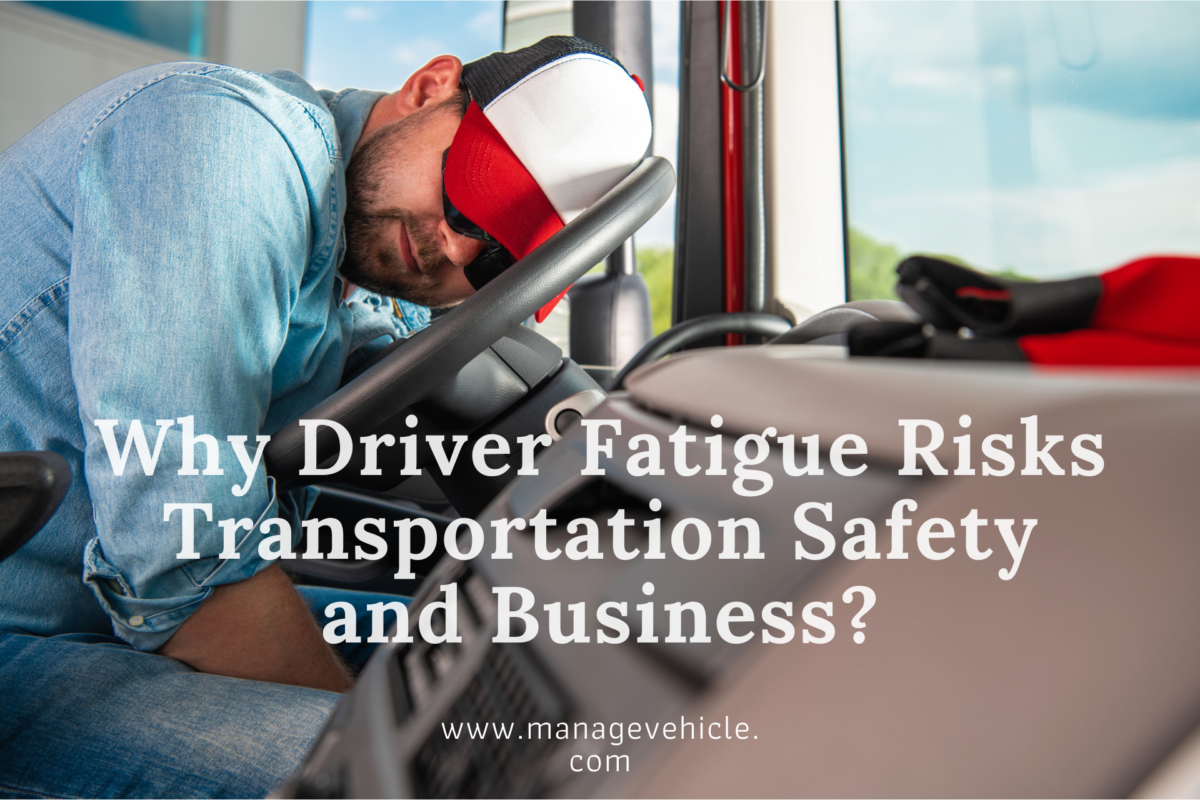
Driver fatigue is a critical danger that receives minimal attention throughout the transportation industry. The condition creates significant challenges for transportation safety alongside operational efficiency and business brand reputation.
Reductions in driver attentiveness and delayed responses create elevated dangers of vehicle accidents along with their subsequent injuries.
Companies face financial damages while also facing legal responsibilities that create permanent impacts on their brand reputation.
This discussion examines the potential dangers that driver fatigue creates for transportation businesses through a detailed analysis of recent 4-channel fatigue detection camera innovations.
The Dangers of Driver Fatigue in the Transportation Industry
Driver fatigue emerges unexpectedly and creates a dangerous condition that mainly affects extended haulage operations and shifts beyond typical working hours.
At the moment a driver becomes exhausted, their mental capabilities decrease, causing impairments in their ability to receive signals from the surroundings and respond appropriately.
This situation can lead to delayed reaction times, poor judgment, and even microsleeps—brief episodes of sleep that last only a few seconds but are enough to cause catastrophic accidents.
Driver fatigue creates impacts that affect everyone who drives a vehicle. Driver fatigue creates significant risks for transportation companies that must deal with elevated insurance costs, car maintenance expenses, and court legal action.
Dirty work caused by exhausted drivers leads to serious injuries and deaths that create irreparable damage to a business’s reputation.
A single fatigue-related accident within the industry carries substantial long-term effects because safety and reliability stand as core priorities.
The Economic Impact of Driver Fatigue on Businesses
Driver fatigue doesn’t just endanger lives—it also has a profound economic impact on transportation businesses.
Truck accidents stemming from exhausted drivers create various adverse consequences comprising slow court processes together with higher insurance costs and payment demands.
Vehicle and freight damage resulting from tired drivers creates substantial monetary losses, which become especially problematic when shipments need delays or postponements.
Operating efficiency experiences adverse consequences from driver fatigue both directly and indirectly. The condition includes additional unplanned worker misses and scheduled absences that negatively affect work output and work routines.
Long-term operational inefficiencies eat into profit margins while reducing business competitiveness in an industry saturated with competition.
Companies that take steps to combat driver fatigue create both safer conditions on the road and improve their financial performance.
Legal and Regulatory Consequences of Ignoring Driver Fatigue
Transportation businesses that fail to address driver fatigue risk face severe legal and regulatory consequences. Global authorities now enforce rigorous policies about fatigue through mandated driver rest periods while observing driven hours.
Both civil and criminal consequences await companies that break regulatory requirements.
Businesses may face regulatory penalties and civil liability if a fatigued driver causes an accident. The legal practice of suing victim families results in expensive settlements or court decisions.
When companies are unable to prevent driver fatigue, they face additional issues finding insurance coverage and building new clientele, which leads to operational difficulties.
The Role of Technology in Combating Driver Fatigue
Advancements in technology have made it easier for transportation businesses to detect and prevent driver fatigue. One of the most promising solutions is the use of 4-channel fatigue detection cameras.
With artificial intelligence and advanced algorithms, these devices perform ongoing driver observation to detect fatigue-related signs, such as the automatic detection of eyelid droop and yawning, as well as unusual head motions.
The cameras notify driving staff, together with vehicle management authorities, about ways in which driver fatigue could develop, rendering such notifications helpful in preventing early accidents.
The technology integrates vehicle control systems that activate automatic speed reductions or complete stops when drivers fail to respond.
Drivers must pass driving safety checks before the organisation allows the use of its vehicles as a safety measure. Through its safety checks, the organisation demonstrates both driver protection and community protection while enhancing safety standards.
The Benefits of 4-Channel Fatigue Detection Cameras
4-channel fatigue detection cameras deliver an extensive technique to monitor driver drowsiness.
Fatigue detection devices surpass conventional systems through their implementation of multiple lenses that enable precise visibility across various views to improve reliability for detection systems.
A multi-channel detection system uses diverse camera positions to detect signs of fatigue, both well and less visible ones, and minimise false alarm occurrences.
The installation of cameras improves organisation fleet safety operations and also delivers substantial data advantages for fleet management practices.
Through continuous observation of driver behaviour patterns, businesses can develop individual prevention methods and expand driver education opportunities.
A data-based approach helps transportation and logistic businesses both prevent fatigue-related incidents and optimise operational performance as well as overall efficiency levels.
Technology serves as a crucial element in fighting exhausted driving yet represents a single aspect of complete fatigue management approaches. Transportation businesses should educate drivers about the dangers of fatigue.
Alertness and accident prevention require regular breaks together with proper nutrition, combined with sufficient sleep.
To create an atmosphere that prioritises safety, companies must establish systems that protect drivers who report signs of fatigue from negative consequences.
Strengthened driver relationships emerge from safety-oriented companies, which reduces the frequency of accidents caused by driving fatigue.
4-channel fatigue detection cameras, when utilised with current efforts, will establish a strong protective shield against road fatigue risks.
The Future of Driver Fatigue Prevention
The methods used to control driver fatigue will keep pace with emerging trends in the transportation industry. New technology developments show promise as methods that will make operations safer while reducing workload for drivers.
The implementation of these developments requires careful planning because they should tackle fatigue sources instead of managing their effects.
The deployment of advanced solutions enables transportation businesses to defend their drivers together with their assets and reputational standing. In doing so, they can create a safer, more sustainable future for the industry as a whole.
Here’s How 4-Channel Fatigue Detection Cameras Can Solve a Driver’s Problem
Safe transportation businesses face serious driver fatigue risks, which generate multiple safety issues, including traffic accidents, financial damages, and legal liabilities.
Companies should address this problem by using a comprehensive strategy that includes educational initiatives, training programs, and technological solutions.
The practical solution of real-time fatigue detection through 4-channel fatigue detection cameras enables continuous monitoring and instant alerts to stop fatigue-caused incidents.
These advanced cameras use multiple lenses and AI algorithms to detect signs of fatigue with unparalleled accuracy.
Integrating these devices into fleets enhances safety, boosts efficiency, and shows a commitment to protecting drivers and the public.
The transportation industry must actively welcome 4-channel FDDT cameras because they provide a crucial solution to reduce driver fatigue risks and improve overall safety for everyone.
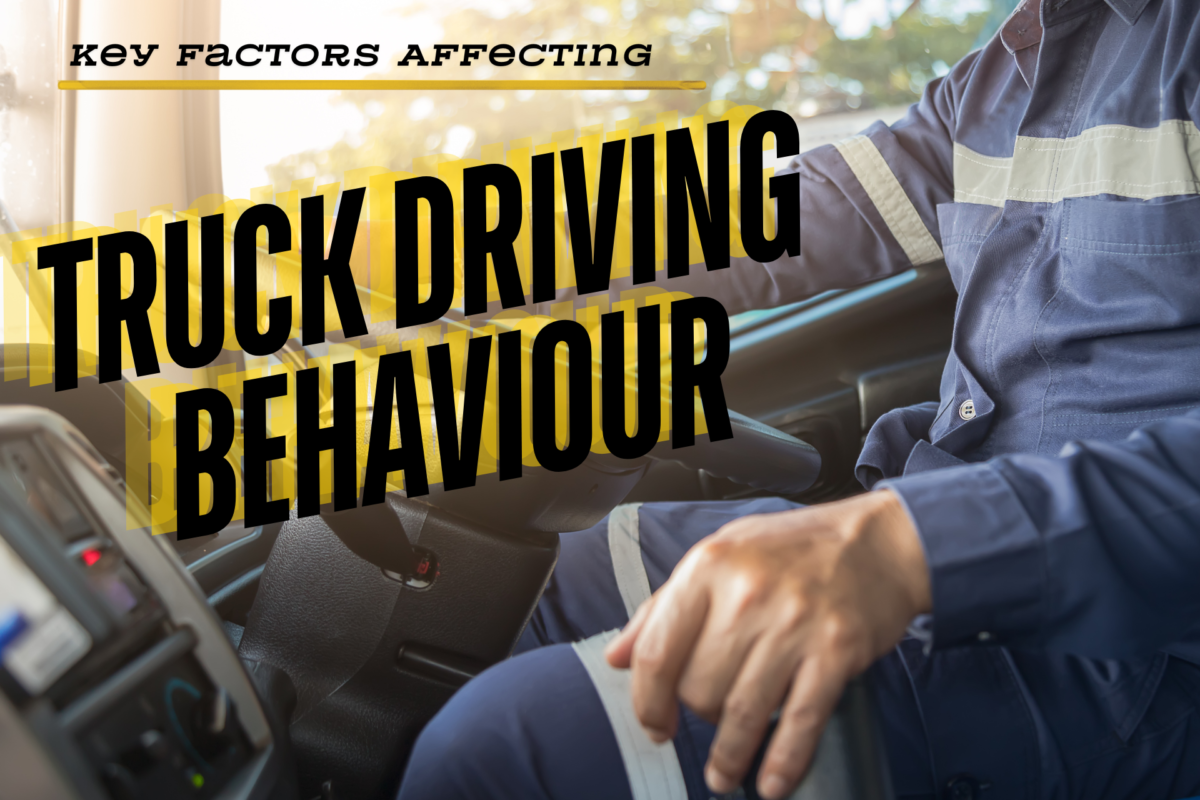
Truck driving behaviour creates substantial effects on both road safety and operational efficiency in addition to vehicle durability.
Fatigue, together with overspeeding, harsh acceleration and hard braking and crashes, represents the significant safety challenges in the trucking industry.
Fleet managers, along with truck drivers and transport operators, must understand the origins of such behaviours to execute effective prevention plans through fleet and compliance software.
Key Factors Affecting Truck Driving Behaviour
Fatigue and Distraction
Truck accidents occur primarily because of driver fatigue. Hostile work situations because of tight delivery schedules create fatigue, as do very long driving shifts.
Silent pressure from delivery deadlines drives truckers to forego rest breaks and reduce sleep, which erodes their focus and reaction performance.
Inadequate sleep exacerbates this issue. Inadequate rest routines coupled with irregular sleep schedules reduce drivers’ attention span, thus raising the risk of accidents.
Overspeeding
The practice of going beyond posted speed limits emerges from drivers’ time constraints along with their need to finish journeys fast.
Drivers who choose to operate at speeds exceeding posted limits reduce their responsiveness to unexpected objects and experience increased stopping distances that put them at higher risk of collision.
Moreover, some drivers struggle to assess the safety risks of speeding in both harsh weather and unknown terrain situations, which generates additional safety threats.
Harsh Acceleration and Hard Braking
Fast acceleration and hard braking indicate either unsafe or unprofessional driving behaviour. Various conditions, including tailgating combined with sudden obstacles and distractions, push people to show such driving behaviours.
The persistent application of sudden breaking motion reveals that a driver maintains unsafe distances from other vehicles, thus increasing the risk of rear-end collisions.
Driving practices that combine aggressive behaviour with inattentiveness cause both safety hazards and accelerate vehicle wear, which drives up maintenance expenses.
Crashes in Truck Driving
As a whole, a combination of the previously stated elements leads to such crashes. The combination of driving while drowsy, together with fast driving speeds and aggressive maneuvers, sharply increases the risk of vehicle collisions.
Heat waves, unsafe terrain, and equipment breakdowns create additional threat factors that increase driving hazards.
Preventing Unsafe Truck Driving Behavior with Fleet and Compliance Software (FCS)
Fleet and compliance software (FCS) provides detailed solutions to track vehicle operation performance, which also enhances road safety. The real-time capabilities of FCS enable fleet managers to detect unsafe driving behaviours so they can effectively respond to them.
Monitoring and Managing Driver Fatigue
Advanced FCS system monitors driver hours to alert managers about approaching maximum driving periods, thereby reducing incidents caused by driver fatigue.
The technology detects when drivers become fatigued or distracted, so it provides immediate notifications to stop potential accidents.
Controlling Over Speeding
FCS creates speed limits that trigger warning systems after threshold violations occur. The system’s real-time monitoring functionality allows instant launch of corrective actions, which support traffic speed compliance while strengthening road safety.
FCS systems equipped with telematics detect abrupt speed changes and powerful braking activities for fleet manager analysis.
Fleet managers utilize data analysis to find aggressive driving patterns, which allows them to design focused training initiatives for improved safety behind the wheel.
Preventing Crashes Through Comprehensive Truck Driving Behaviour Monitoring
FCS delivers executives with complete operational understanding by tracking various fleet operation components.
A detailed oversight system helps fleet managers make proactive safety interventions to prevent crashes, which leads to improved fleet safety levels.
Truck driving behaviour needs attention because it remains the key factor for securing safe fleet operations that are both efficient and compliant.
How we drive our trucks causes many accidents due to two main risks: tiredness and unsafe speeds accompanied by aggressive speed changes and rough stops.
Why Implement Manage Vehicle’s Fleet and Compliance Software?
Data-driven tools from fleet and compliance software packages allow transport operators and fleet managers to observe driver actions while generating insights for performance enhancement in safety and operational performance.
Through real-time monitoring capabilities, together with data analytics and adaptable warning systems, fleet managers can identify at-risk behaviours and preserve safe practices while meeting regulatory requirements.
Fleet management tips encompass paying attention to a safety, compliance, operational efficiency and vehicle tracking matrix.
Fleet Management involves more than adherence to NHVR compliance standards or implementing Fatigue and Distraction Detection Technology (FDDT)—it involves asset management, driver monitoring, transport scheduling, and so much more.
These practices facilitate reduced risk and improved productivity in businesses.
Fleet Management Tips: Master the Art of Managing Heavy Vehicles Like a Pro!
A coordinated structure and the right tools – managing a fleet as such will definitely yield results. Below are some improvements to implement within operations:
On Fatigue and Distraction Detection
Heavy vehicle operators face significant risks from driver fatigue and distracted driving. The Fatigue and Distraction Detection Technology (FDDT) monitors a driver’s real-time behaviour and triggers alarms for the driver and fleet managers when the driver is at risk of extreme fatigue.
Fleet management tips assure further road safety while remaining compliant with NHVR guidelines.
On Assets and Maintenance
Tracking vehicles and equipment along with their maintenance schedule is a must. Well-maintained fleets would significantly reduce downtime, surefire unexpected repair costs, and ensure compliance with safety measures.
Fleet management tips will get drivers or operators to know their fleets much closely.
Digital asset management systems give immediate, real-time insights into asset performance and maintenance.
With an integrated online platform, you can also easily keep track of all the asset, mass, and maintenance checklists to present at the time of audit.
Use digital mass management tools to monitor weight distribution in line with NHVR standards. Create reports and store them well for a smooth audit process.
Compliance Management
Compliance is critical and helps avoid penalties associated with the NHVR set criteria. It involves organising driver work-rest schedules, up-to-date maintenance records, checklists, and vehicle types’ compliance with safety and structural standards.
Software solutions that help keep operators audit-ready integrate the compliance aspect. Many of Manage Vehicle’s clients have achieved high success rates on audits due to their use of Compliance Management tools.
Transport Management
Coordinating routes, tracking deliveries, and managing delivery schedules go a long way toward satisfying every customer.
Advanced transport management systems have tools to optimise routes, reduce fuel consumption, and monitor delivery timelines, keeping operations smooth and on time.
How to Manage Heavy Vehicles? Know Fleet Management Tips
Modern software solutions specially designed for fleet operators make managing heavy vehicles easy. These solutions can simplify the timely completion of work, automate monotonous compliance tasks, and improve overall fleet efficiency.
Fleet management software usually provides:
Real-time Tracking Vehicle: You’ll know where your vehicles are and what your drivers are doing.
Automated Compliance: Stop keeping manual records and fulfilling expectations of NHVR because we have made your compliance documentation easy.
Maintenance Scheduling: Remember servicing reminders and expensive breakdowns.
Driver Safety Tools: FDDT and EWDs for safer road use.
Manage Vehicle team will get you all fleet management tips to enhance driver safety, operations and compliance solutions.
Manage Vehicle develops software that specialises in meeting the needs of fleet operators. It incorporates all these amenities into one holistic application, making it easier for fleets to manage compliance, safety, and efficiency.
With Manage Vehicle, you would reduce operational stress, increasing business productivity.
Why You Should Choose Manage Vehicle for More Fleet Management Tips?
Choosing Manage Vehicle is choosing simplicity and reliability. Here is what makes us different:
All-encompassing solutions: Software covering everything from compliance management to driver safety tools is available in one place.
Audit-Ready Systems: Passing NHVR audit becomes easy with an automated record-keeping and easy reporting tool.
Customer-Centric Approach: As such, we will keep updating and offer our support for industry changes to help you adapt.
Affordable: Affordable and mostly scalable to small-to-medium enterprises.
Switch to Manage Vehicle and change the way you manage your fleet.
For fleet managers, it is important to be aware of the potential risks posed by irresponsible drivers. Unsafe driving practices can lead to costly accidents, lost time, and damaged vehicles.
To ensure the safety and efficiency of your fleet, it is important to set standards for responsible driving and to have measures in place to address any issues that arise.
Here’s 5 Ways Fleet Managers Can Deal With Irresponsible Drivers
It is important to manage irresponsible drivers. In this guide, we will discuss strategies to help you in keeping your fleet in check for the future.
5 skills every fleet managers need to focus includes training, monitoring tools, clear policies, rewards and effective communication. | Source: Clear path GPS
1) Have Policies in Place
Having policies in place is an essential step for any fleet manager looking to deal with irresponsible drivers. Policies should clearly outline expectations for driver behavior, such as speed limits, required rest periods, and appropriate use of vehicles.
By having policies in place and enforcing them consistently, fleet managers can establish a culture of safety and responsibility among their drivers.
2) Emphasize the Importance of Rules
Fleet managers should emphasize the importance of rules and regulations to their drivers. They should ensure that all drivers understand the rules and the consequences of not following them.
Drivers should be made aware that any violation of the rules will result in disciplinary action. It can also come across suspension or termination.
Fleet managers should also ensure that all drivers are familiar with company policies and procedures and that they understand the importance of following them.
So, this will help to create a culture of responsibility and accountability among the drivers, which will help to reduce incidents of irresponsible driving.
3) Recognise and Categorise Behavioural Patterns
Recognising and categorising behavioural patterns is an important way for fleet managers to deal with irresponsible drivers. By monitoring driver behaviour and identifying patterns of bad behaviour, operators can then take appropriate steps to address the issues.
By recognising and categorising behavioural patterns, fleet managers can better identify different areas. Also, drivers need more education and guidance to ensure safe and responsible driving.
4) Conduct Background Checks
Conducting background checks is an important step in ensuring that your fleet drivers are responsible and safe. Also, background checks can reveal any past convictions, traffic violations, or any other criminal activity that can put your company and other drivers at risk.
Background checks can also uncover whether a potential driver has the qualifications, experience, and expertise necessary to safely drive your fleet.
By taking the time to conduct thorough background checks, fleet managers can make sure that their drivers are reliable and trustworthy.
5) Transition Persistently Poor Drivers a Different Role
Transitioning persistently poor drivers to a different role is an effective way for fleet managers to deal with irresponsible drivers. Moreover, it gives the driver a chance to make a fresh start in a new role and allows them to use their unique skills in a new capacity.
This can help to improve fleet performance and morale, as the driver can feel like they are making a contribution in a different area of the business.
Why is Fleet GPS Tracking Important for Fleet Managers?
By taking the necessary steps, fleet managers can ensure that their drivers are reliable and trustworthy. Doing so will ultimately help to ensure that their fleet is running as efficiently as possible.
Make fleet management easier with Manage Vehicle. We have the best fleet GPS tracking systems to ensure your drivers are not behaving irresponsibly on the road. Get in touch with us today to learn more.
GPS-powered fleet software doesn’t just show drivers where to go; it calculates the most efficient path based on live traffic, distance, and delivery sequence. Many systems also track fuel usage, engine idling, and driver behaviour alongside route data, giving fleet managers a fuller picture of where time and fuel are actually being spent, not just where vehicles have been.
2. Lower Operating Costs
Less time in traffic and fewer unnecessary kilometres translate directly into lower fuel spend: consistently one of the largest line items in any fleet’s operating budget. Combined with reduced idling and optimised routing, GPS tracking gives fleet managers a concrete lever to pull on cost, not just a monitoring tool.
3. Stronger Customer Relationships
Accurate, GPS-backed ETAs let transport businesses commit to delivery windows with real confidence, rather than best-guess estimates. That predictability compounds over time; customers who can rely on delivery accuracy are more likely to stay.
4. Insurance and Risk Benefits
Insurers increasingly factor telematics data into commercial vehicle premiums; fleets that can demonstrate consistent, monitored driving behaviour are often viewed as lower risk. Reduced road time and better-managed routes also mean fewer opportunities for the kind of incidents that drive up premiums and claims history.
5. Better-Informed Budgeting
GPS tracking data compounds over time; daily, weekly, and monthly trip records let fleet managers build transportation budgets based on actual historical consumption and cost patterns, rather than rough estimates. That’s a meaningfully more accurate basis for forecasting next year’s fuel and maintenance spend than intuition alone.
Fleet management is a lot of work. Despite the fact that you will have a lot of vehicles to monitor and maintain from time to time, you also have to deal with the various on-road violations that they may incur during their daily travels.
With that in mind, let’s explore a few exciting strategies that can help you tackle that matter more effectively!
If it is your first time in the fleet management industry and you want to manage your fleet’s violations, here are a couple of tips that may help you along the way.
Effective Fleet Management Strategies to Address and Resolve Fleet Violations
1. Take Advantage of Fleet Management Software
Regarding managing your fleet’s violations, you need software that will help you out with all the tasks. It can make record-keeping more effortless and more convenient. You can also use it to monitor your fleet’s GPS whereabouts 24/7.
2. Find Out Who the Violators Are
Once you have your fleet management software, you need to find out the violators in your fleet. For instance, you can look for the vehicles flagged up with those traffic incidents within the software itself.
On the other hand, you can also check the vehicles that the DOT reported.
3. Take Note of the Violators’ History
Aside from checking the vehicles with many violations, you will also have to take note of the specific infractions that a vehicle has committed. Some of these vehicles tend to commit the same abuses again.
That’s why you have to list down their violation history to predict whether they may do more of it in the foreseeable future. In this way, you will identify the ones that remain habitual offenders.
4. Identify the Violators’ Risk
Once you have the violators’ history, you will have to identify their risk. You will be able to identify the danger they pose by checking the number of violations they have committed.
So, the risk in question refers to their tendency to make a habit out of their violations.
5. Do a Little Digging
Once you have identified the violators’ risk, you have to get your hands dirty and do a little digging. You have to check the violators’ reasons for the violations. It would also help if you pinpointed their exact violations.
Once you have identified the violations, you will have to establish a proactive policy. This policy will help you take action against your fleet’s violators.
7. Determine the Actions that you need to Take
Now that you have established a proactive policy, you have to determine the actions that you need to take. You need to make sure that you know what steps you have to take to have the violations eliminated.
8. Execute the Actions that you have Planned Out
Now that you have determined the steps you have to take, the next thing you should do is to act on them. Vehicle management software will help you discipline your fleet and make sure that they comply with the DOT.
9. Observe the Results
To know if your actions were able to eliminate your fleet’s violations, you have to observe the results. Thus, it will help you check if your established policy was effective enough.
10. Take the Next Step
Now that you have observed the results, you need to take the next step. This one involves the revision of your proactive policy. You will have to make the necessary revisions to make it as efficient as possible.
Streamline Fleet Management with Reliable Software Solutions
Managing fleets is undoubtedly challenging and multifaceted. However, employing efficient vehicle tracking software can streamline the complexities involved.
It will help you keep track of the whereabouts of your fleet and identify the violations they have committed. Besides that, it will also identify the violators’ risk and determine the actions you have to take.
It is up to you to decide if your fleet’s violations are a result of human error or negligence. Once you identify that, you will have to take the appropriate actions to discipline your personnel as much as possible.
Why Choose Manage Vehicle to Take Care of Your Fleet Management Business?
If you are looking for reliable software that features commercial vehicle compliance and management, look no further than our innovative systems here at Manage Vehicle.
We have the best fleet management software for large and small fleets, allowing you to monitor fleet compliance, practice maintenance, and reduce fuel costs, amongst other things.