Transport Compliance Software: Is Your Fleet Business Compliant?

Fleet operators need transport compliance software to handle the many transportation rules that regulate the industry. The system makes compliance work automatic while tracking driver actions and maintaining vehicle conditions to produce better results.

In today’s fast-paced logistics environment, staying compliant with ever-evolving regulations can be daunting. Cargo transport compliance software gives fleet leaders instant details they need to take prompt action about compliance.

Moreover, the fleet compliance system protects against violations that bring penalties. Our system makes sure teams stay responsible and open in their work.

The Role of Transport Compliance Software in Fleet Management

Transport compliance software helps fleet management run all required compliance processes automatically. Our system monitors driver activities and ELD logs while setting automatic vehicle maintenance schedules.

By bringing these functions together, the software lessens the workload for administrators and reduces mistakes. This fleet and compliance system carefully meets all compliance requirements.

Moreover, the integration of transport compliance software with existing fleet management systems enhances data accuracy and accessibility. Fleet managers can access reports that strengthen compliance, streamline operations, and improve safety.

Enhancing Driver Compliance and Safety

Supervising how drivers behave helps companies keep their safety regulations in place. The software tracks transport compliance by recording how fast drivers go and how they turn the wheel and brake while measuring total vehicle downtime.

Fleet managers can use this data to spot risky behaviours. By doing so, they can create specific training programs to address these issues. Our transportation compliance software helps companies prevent accidents and follow safety requirements.

The software automatically records driving and rest periods to ensure HOS compliance. This compliance system prevents driver fatigue and helps avoid costly violations. Real-time alerts keep managers and drivers informed about HOS limits, ensuring proactive compliance.

Also Read: Fatigue Detection Camera System: Enhancing Driver Safety

Transportation Compliance Software Streamlining Vehicle Maintenance and Inspection Processes

Maintaining vehicles according to schedule with thorough checks helps companies meet all standards while saving time and resources. Transport compliance software watches vehicle health to signal issues to managers so maintenance problems stand less chance of happening.

This tool saves complete records of maintenance work and quality checks that help prove industry compliance during audits. Organized documentation proves that a firm follows official rules and makes audits easier when audited.

Being prepared helps avoid penalties and improves the organization’s relationship with regulatory bodies. Our fleet and compliance software build a positive first impression, which allows users to trust us more.

Real-Time Monitoring and Reporting Capabilities

The main benefit of transport compliance software is its ability to track and show current results in real time. The system continually collects data to show fleet managers the real-time status of all compliance measures.

Our fast response system lets us find and remedy compliance problems right away so minor problems don’t turn into significant violations. Our daily monitoring helps us prevent issues from growing and keeps our system running well.

Moreover, customizable dashboards and automated reporting features enable managers to focus on specific compliance metrics relevant to their operations. Strategic focus allows us to direct resources to critical areas, enhancing compliance management effectiveness.

Creating in-depth reports not only enhances our understanding but also fosters clear and open communication with stakeholders and regulatory authorities. This transparency builds trust and ensures everyone is on the same page.

Discover: Fleet Management Software: Streamline Operations Efficiently

Integration with Telematics and Other Fleet Technologies

Integrating transport compliance software with telematics and other fleet technologies amplifies its effectiveness. Telematics systems help track vehicles using GPS, provide vehicle health information, and collect data on how drivers behave.

Compliance software can use this information to create a better solution for meeting requirements. This integration enables a unified platform where all relevant data is consolidated, simplifying management and reporting processes.

Telematics data connected to compliance software produces accurate route routes. Our system tracks vehicles while overseeing compliance with both materials safety standards and weight restrictions.

A transportation regulation tracking system lets businesses keep to the rules while enhancing their operations. By optimizing routes and reducing fuel expenses, it completes transportation regulations obligations. A transportation industry competitor needs these gains.

Adapting to Regulatory Changes

Transportation needs to respond quickly to constant changes in government regulations to stay compliant. Fleet compliance software changes its rules to follow new industry rules.

This new feature maintains fleet compliance with rules while freeing you from manual rule updates. Moving away from the compliance burden lets you work with a better fleet management system.

Our software sends updates about government changes so you can plan. Our system gives companies the tools they need to follow the rules today while also showing they’re thinking ahead.

Your operations require regular compliance updates to run without interruption when new rules emerge. Your efforts to stay ahead of regulations benefit both your business and your capabilities to handle challenges effectively.

Interesting to Read: Pro Tips for Driving Safely Near Oversized Load Vehicles

Why is Transport Compliance Software Essential for Fleet Success?

Fleet companies need transport compliance software to follow official rules. It helps users by running their compliance work plus tracking driver actions and vehicle states with live updates.

This advanced commercial fleet management system strengthens both safety operations and saves businesses money on violation consequences. Businesses can now simplify their systems and protect both their staff and their equipment better.

Transport compliance software shows that a company follows the rules and runs its business at its best. Our program makes workers responsible and helps us build trust with our clients and industry controllers.

Using technology for transport compliance helps companies succeed more reliably and build their future.

If you enjoy reading engaging blogs like this one, stay ahead in the game by choosing Manage Vehicle as your transportation compliance software as a service.

Fatigue Detection Camera System: Enhancing Driver Safety

The fatigue detection camera system tracks driver alertness in live action through facial detail and eye tracking. This FDDT system identifies tiredness and distracted behaviour and alerts drivers to enhance road safety.

Implementing a fatigue detection camera system is advantageous for commercial fleet operations. It helps fleet managers enhance driver safety and efficiency.

Enhancing Road Safety with Fatigue Detection Camera Systems

This fatigue detection camera system observes driver activity by analyzing vehicle cameras and sensors to detect tiredness through facial and head monitoring. This system uses robust computer programs to examine measured data and detect driver attention levels.

The system sends instant warning messages to drivers to detect any signs of fatigue or distraction. These alerts prompt the driver to take necessary actions, such as resting or refocusing on the road.

Here’s How Fatigue Detection Camera Systems Monitor and Alert Drivers

These fatigue detection camera systems work with one camera on the front to record driver faces while their unit analyzes these images. The system watches and evaluates the driver’s blinking patterns, eye closure times and head movements.

By comparing these indicators against established fatigue thresholds, the system can accurately determine the driver’s alertness level. Upon detecting fatigue, it activates visual or auditory alerts to warn the driver.

Preventing Accidents with Fatigue Detection Technology for Safer Roads

A large number of road accidents occur due to fatigued drivers internationally. A fatigue detection camera system will help make our roads safer.

These systems watch drivers at all times and send warnings to stop accidents from drowsiness or attention problems. They also promote responsible driving behaviour and ensure compliance with safety regulations, particularly in commercial transportation sectors.

When is Fatigue Detection Essential for Fleet Safety?

Fleet managers or operators can use a fatigue detection camera system in any vehicle where driver alertness is critical. It includes commercial fleets, public transportation, and long-distance travel.

The FDDT system is particularly beneficial during extended driving periods, night shifts, or in regions with high accident rates due to driver fatigue. Moreover, it helps fleet businesses take action to reduce fatal risks ahead of time.

Adaptable Fatigue Camera Detection System for All Vehicles

Drivers can use this system in trucks, buses, and their cars, giving the technology a broad application scope. You install the camera directly on the dashboard or windshield to face the driver when setting it up.

By positioning cameras in this way, labs can better track drivers’ facial features and head movements to detect fatigue effectively.

Fatigue Detection Camera System: Safety for Drivers and Efficiency for Fleets

The primary beneficiaries of fatigue detection camera systems are drivers and fleet operators. Drivers gain from enhanced safety and reduced accident risk, leading to fewer injuries and fatalities.

Through better vehicle management and safety compliance, fleet operators can create safer operations and lower their legal exposure. Road users become safer because drivers operating TRUs face less risk of fatigue while driving.

How Does Manage Vehicle’s 4-Channel Fatigue Detection Camera System Enhance Fleet Management?

The 4-channel fatigue and distraction monitoring camera system from Manage Vehicle enables fleet operators to observe all relevant vehicle areas. The system allows unified video surveillance across all vehicle angles through its collection of cameras for ongoing driver monitoring.

This four-CH fatigue and distraction monitoring camera system provides precise drowsiness measurement and tracks many drivers operating in the same fleet.

The FDDT system analyzes driver alertness through four camera systems by running advanced computer processing techniques.

The device detects signs of driver fatigue or distraction and then sends an alert to let you fix the problem right away. This safety technique helps make drivers safer while boosting both fleet performance and company image.

Boosting Vehicle Safety with Real-Time Fatigue Detection Camera System

Driver alertness improves because fatigue detection camera systems monitor and track driver performance on the road.

Fleet businesses benefit most from this technology’s instant monitoring and warning features to combat driver exhaustion hazards. Safety system integration enables fleet managers to maintain safety standards and build a better operating environment with enhanced productivity.

Specifically, Manage Vehicle’s 4-channel fatigue and distraction monitoring camera system offers a robust solution for fleet management.

The system gives fleet owners practical ways to detect driver fatigue and make safety-related decisions through its real-time monitoring features and innovative analysis tools.

Stay updated to follow transportation industry trends and updates. Also, do not forget to contact us to learn more about our new 4-channel fatigue and distraction detection camera system!

5 Ways GPS Tracking Improves Fleet Management

1. Better Route Efficiency

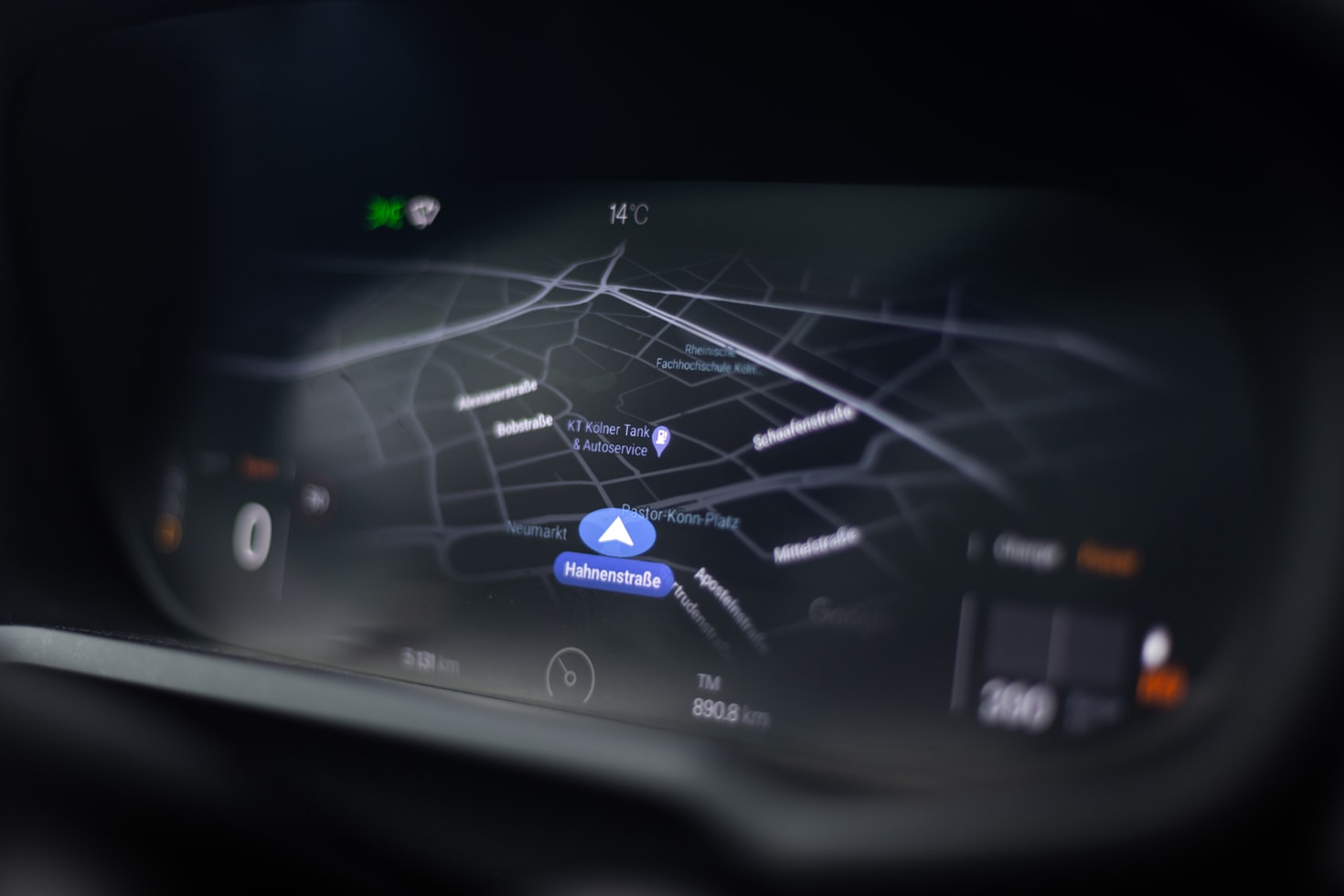
GPS-powered fleet software doesn’t just show drivers where to go; it calculates the most efficient path based on live traffic, distance, and delivery sequence. Many systems also track fuel usage, engine idling, and driver behaviour alongside route data, giving fleet managers a fuller picture of where time and fuel are actually being spent, not just where vehicles have been.

2. Lower Operating Costs

Less time in traffic and fewer unnecessary kilometres translate directly into lower fuel spend: consistently one of the largest line items in any fleet’s operating budget. Combined with reduced idling and optimised routing, GPS tracking gives fleet managers a concrete lever to pull on cost, not just a monitoring tool.

3. Stronger Customer Relationships

Accurate, GPS-backed ETAs let transport businesses commit to delivery windows with real confidence, rather than best-guess estimates. That predictability compounds over time; customers who can rely on delivery accuracy are more likely to stay.

4. Insurance and Risk Benefits

Insurers increasingly factor telematics data into commercial vehicle premiums; fleets that can demonstrate consistent, monitored driving behaviour are often viewed as lower risk. Reduced road time and better-managed routes also mean fewer opportunities for the kind of incidents that drive up premiums and claims history.

5. Better-Informed Budgeting

GPS tracking data compounds over time; daily, weekly, and monthly trip records let fleet managers build transportation budgets based on actual historical consumption and cost patterns, rather than rough estimates. That’s a meaningfully more accurate basis for forecasting next year’s fuel and maintenance spend than intuition alone.