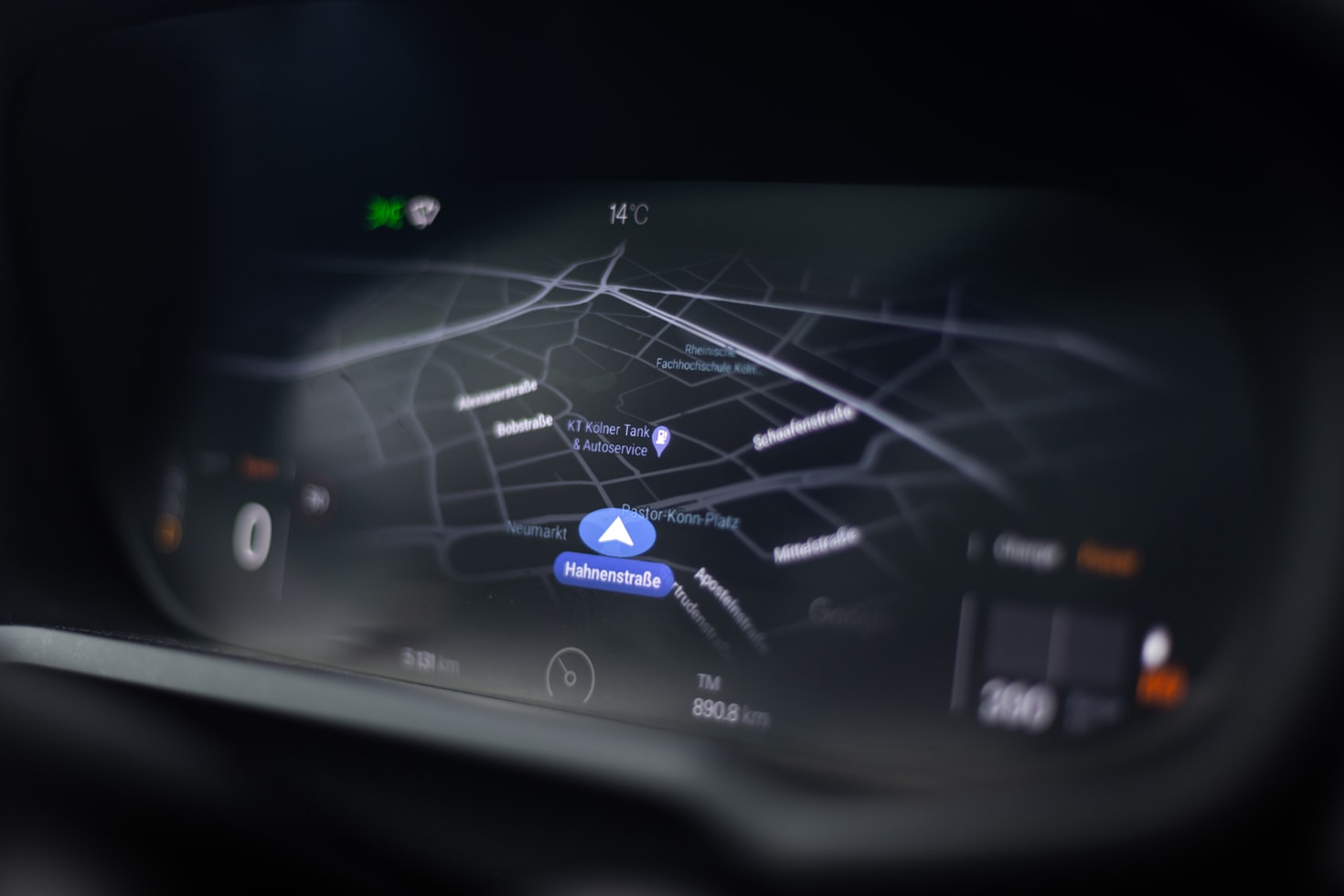
An ECM tracking system, is integral to modern cars and vehicles. Engine Control Module is one of the most intelligent parts of anything that runs on internal combustion.
The ECM tracking system collects data from various sensors and performs analyses in real-time, processing information from engine sub-systems.
The ECM then acts on this data to operate everything from ignition and braking to cruise control and steering. The ECM acts as a small computer and controls everything in the engine.
Here’s how combining this technology with a GPS can improve your fleet management:
GPS and ECM Tracking System Ensure Road Safety
An ECM is a vital tool that reacts to real-time data and ensures that your vehicle is safe to operate.
This tracking system includes monitoring the air brakes, electronic differential locks, electronic stability programs, electronic throttle control, transmission control units, and other sub-systems.

By providing a real-time data feed to the ECM, you can help ensure your fleet keeps safe on the road.
ECM Tracking System Monitors Fleet Accurately and Precisely
Using an ECM and a GPS, you can get your fleet’s precise location at any given time. So this means you can pinpoint where your fleet is and see how long it takes from when it leaves its depot to when it returns.
This system will also help monitor the engine’s run-time, fuel efficiency, and other performance details of your vehicles. This data is crucial for improving your fleet and providing information on vehicle movement.
Read Also: Heavy Vehicles Temporary Variation in NSW During Christmas Fall
Improve Efficiency with Real-Time Monitoring Data
Utilising GPS and ECM tracking systems also helps you improve the efficiency of your fleet. As you can see above, the system provides many data points automatically collected, analysed, and put up in real time.
So this means you can see where your vehicles are in real-time, how long they take to go from point A to B, and how long it takes them to complete their other tasks.
This information is invaluable to fleet management as it can pinpoint areas of improvement and let you act on that data.
Cut Down on Maintenance Costs
Another important thing this system can help you do is cut down on fleet maintenance costs. With ECMs and GPS tracking, you can accurately see where your fleet is at all times, not just when you have a technician check in with them at the end of the day or week.

So this means you can spot malfunctions and potential issues before they become problematic, preventing costly breakdowns and maintenance issues.
Enhance Fleet Efficiency with Manage Vehicle’s ECM Tracking
Combining ECM and GPS tracking systems can be a powerful tool for fleet management and improve overall fleet efficiency.
With real-time data, you have a more up-to-date picture of your fleet, and by watching over the parts of your fleet that need improvement, you can save time and money in the long run. Ensure a smoother time managing your fleet with the help of these systems.
Apply advanced fleet maintenance and management through a system made to help you thrive. Our GPS and ECM tracking will provide the necessary information to improve your fleet and operations. Get a quote today!
Explore More: Does Your Fleet Have Telematics? Discover The Benefits