Rampant Illegal Practices Crippling Australia’s Transport Industry

Rampant illegal practices are systematically undermining Australia’s road transport industry. This creates an unfair playing field that rewards lawbreakers and punishes compliant operators.

The shadow economy of sham contracting has reached a crisis point. Industry leaders are urgently calling for government intervention to stop the collapse of legitimate businesses.

In a stark warning to federal government representatives, National Road Transport Association (NatRoad) CEO, Warren Clark stated,

“The normalization of sham contracting is now evident, with transport companies brazenly advertising for “employee drivers with ABNs” on mainstream job platforms, signaling a blatant disregard for the law.”

This brazen approach demonstrates that enforcement has become “essentially non-existent.” Illegal operators now manipulate systems with impunity, compromising both industry viability and road safety for all Australians.

Sham Contracting is Illegally Crippling Legitimate Operators

Sham contracting occurs when businesses misrepresent employees as independent contractors, illegally stripping workers of basic protections while evading employer obligations.

Under Australia’s Fair Work Act, it is illegal to misrepresent an employee as an independent contractor. This applies if the business has no reasonable belief for the claim or knowingly makes false statements to misclassify the employee.

Rampant Illegal Practices, Sham Contracting Undermining Australian Road Freight Industry
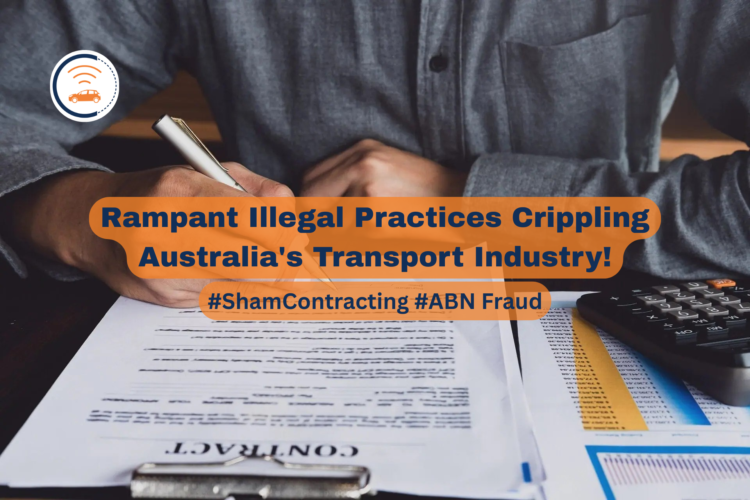
Sham contracting creates an unfair 30% cost advantage for lawbreakers, forcing ethical trucking companies out of business. | Image Source: Linkedin, Humanised Group

In these arrangements, workers are required to obtain ABNs and perform work identical to employees. However, they do so without any of the legal protections and entitlements.

This systematic manipulation creates an artificial cost advantage of 20-30% for non-compliant operators over legitimate businesses. Shady operators use sham contracting to dodge taxes, super, insurance, and award wages.

Gary Mahon, CEO of the Queensland Trucking Association, recently warned that,

“Perpetual rise of ABN-based employment” not only erodes workers’ rights but “destabilises the entire supply chain, creating a two-tier system that favours cost-cutting over safety and fairness”.

Evolving Illegal Schemes: How Operators Disguise Employment

Illegal operators have developed increasingly sophisticated structures to disguise employment relationships. This makes detection even more difficult for already stretched regulators.

Labour hire facades represent a concerning evolution in this space. These “agencies” fraudulently classify 100 plus workers as contractors, despite them operating like employees.

Urgent Call to Address Rampant Illegal Practices
From labour hire facades to ABN sharing rings, discover the sophisticated methods used to illegally misclassify employees and undercut honest competition. | Image Source: Australian Trucking Alliance

This model systematically misrepresents employment relationships on an industrial scale. Similarly, ABN sharing rings have emerged where individual drivers set up as sole traders.

These structures allow participants to employ themselves or share an ABN with others. This lets them avoid GST registration, skip tax returns, and evade superannuation obligations.

As one CEO starkly observed, “These schemes are designed for fleeting operation, enabling perpetrators to make a quick profit while evading all employer responsibilities, including taxes, superannuation, and workers’ compensation.”

So, these schemes exploit regulatory gaps and verification weaknesses that authorities have failed to address.

Why Tolerating Illegal Practices Harms Everyone?

1. Competitive Distortion

The rampant illegal practices fundamentally distort market competition, creating what Mahon describes as a “two-tier system that favours cost-cutting over safety and fairness”.

Legitimate operators cannot compete against businesses operating with 20-30% lower cost bases achieved through illegal schemes.

Urgent Call to End Illegal Road Transport Practices
By tolerating sham contracting, Australia is creating a two-tier industry where law-breakers prosper and compliant operators are unfairly driven out of business.

As Clark notes, this creates a perverse reality where “breaking the law is more profitable than following it,” forcing ethical businesses to either compromise their standards or lose contracts to unscrupulous competitors.

2. Safety and Exploitation Risks

The cost-cutting pressure inevitably forces drivers into dangerous situations.

“This race to the bottom forces drivers into exploitative contracts and pressures legitimate businesses to slash prices, often leaving non-compliance as their only path to profitability,” Clark explained.

This erosion of safety standards comes as Australia faces a significant driver shortage. At the same time, road incidents have increased over the past two years, creating a perfect storm of risk for all road users.

3. Economic and Revenue Impacts

The widespread non-compliance represents billions in stolen public revenue through evaded taxes, superannuation, and other obligations.

Gary Mahon of QTA stated, “The erosion of the statutory framework would undermine industry stability, lead to revenue losses, and hamper the capacity to fund essential public services”.

With the road transport industry employing 640,000 Australians and contributing 8.6% to GDP, its destabilization threatens broader economic consequences.

The Gaps in Our Road Transportation Safety Laws

Despite the known issues, multiple enforcement failures have enabled these illegal practices to flourish.

According to NatRoad, critical systemic gaps are undermining enforcement. Audits are rare, penalties are weak, and agencies are under-resourced.

Making matters worse, legitimate transport businesses often face more scrutiny than the fraudulent operators they are competing against.

Rampant Illegal Practices Due to Weak Enforcement and Minimal Penalties
Weak enforcement and minimal penalties have created massive gaps in road transport safety laws, allowing sham contracting and unsafe practices to flourish unchecked. | Image Source: Fueltek

Clark draws a powerful analogy, “This is the equivalent of establishing a strict anti-doping rulebook for the Olympics but conducting no actual testing.

The moment a few athletes realize there are no consequences, the integrity of the entire competition collapses as cheating becomes the norm.”

Industry leaders have called the reliance on TPAR to capture ABN labour abuses a “misguided hope.” They are now urging the ATO to adopt more effective solutions.

Meanwhile, the Closing the Loopholes Amendments contain critical weaknesses that require urgent addressing.

A key flaw is a “barn door size” loophole in the reasonable belief defence within the Fair Work Act 2009, which undermines enforcement capabilities.

How to Ensure Compliance and Protect Your Business from Rampant Illegal Practices?

1. Government Intervention

Government Intervention to Address Rampant Illegal Practices
NatRoad demands five key government actions, from director liability to major audits, to crack down on illegal operators and protect compliant businesses. | Image Source: ABC News

NatRoad has presented federal government with a clear five-point demand plan:

  • Launch targeted, large-scale audits specifically against known high-risk and non-compliant operators.
  • Hold company directors personally liable with significant penalties for those who knowingly facilitate or ignore sham contracting.
  • Bar persistently non-compliant companies from bidding on all government transport contracts.
  • Establish a mandatory and timely investigative process for all whistleblower reports.
  • Re-mandate and properly fund the Shadow Economy Taskforce to make the road transport industry its primary enforcement priority.

“The government’s failure to address this systemic crisis continues to disadvantage compliant businesses, exploit vulnerable workers, and cost the public treasury billions in lost revenue to deliberate fraud,” Clark warned.

2. Industry Protection Measures

Legitimate fleets can take proactive steps to protect themselves while awaiting stronger government action.

Mahon advises that “To combat sham contracting, fleets must proactively vet their subcontractors and demand transparent proof of how workers are legally engaged.”

Businesses should also recognize the illegality of supplying trucks and equipment while using contractors for labour only, a clear indicator of sham arrangements.

How to Strengthen Your Operational Defenses?

While regulatory action is crucial, legitimate operators can immediately strengthen their compliance position through a modern fleet compliance software, Manage Vehicle.

Manage Vehicle provide the digital infrastructure needed to maintain rigorous standards and demonstrate compliance during audits.

Rampant Illegal Practices Crippling Australia's Road Transport Industry
In an unfair market, strengthening your defenses is key. Discover how digital tools for compliance and documentation can shield your business from risk. | Image Source: Uffizio

MV offers a logbook similar to an electronic work diary (EWD) to monitor driver licenses, and work permits for roadside vehicle inspection. The system sends proactive alerts before deadlines are missed, eliminating manual monitoring gaps.

Manage Vehicle also provides a centralized compliance dashboard that give real-time visibility into fleet-wide compliance status. Also, MV automatically records truck drivers’ work and rest hours in compliance with regulatory requirements.

The crisis of rampant illegal practices in Australia’s road transport industry demands immediate and decisive action from both government and ethical operators.

As Clark starkly summarizes, “The message right now is clear: breaking the law is more profitable than following it. That has to change.”

With legitimate businesses failing, workers being exploited, and road safety being compromised, continued inaction is simply not an option. The time for empty rhetoric has passed.

Only comprehensive audits, meaningful penalties, director accountability, and modern compliance systems like Manage Vehicle can restore integrity to this vital industry.

To learn how modern fleet compliance software can help protect your legitimate transport business through automated monitoring, document tracking, and audit-ready reporting, contact our compliance specialists today for a demonstration.

Australia’s Fleet Industry Faces a Truck Driver Shortage

The truck driver shortage is real. It’s causing missed deliveries, lost revenue, and immense pressure on Australian transport operators every single day.

A recent report from the National Transport Commission highlighted that with nearly half of our drivers nearing retirement, this gap is only set to widen unless we make fundamental changes.

It feels like you’re fighting a battle on three fronts at once. But what if there was a way to not just manage these challenges, but to turn them into your competitive advantage?

Let’s break down the problems and, more importantly, talk about a solid solution.

1. The Growing Truck Driver Shortage is a Problem for Fleet Owners

The stats don’t lie! 50 percent of Australian truck drivers are over the age of 55. The next generation isn’t lining up to take their place, and for good reason.

Fleet managers or transport business owners are looking for modern workplaces that offer better pay, improved work-life balance, and a tech forward environment.

Truck Driver Shortage in Australia
Many truck drivers are getting closer to retirement age and there’s not enough manpower to fill up the job criteria in Australia.

The key to attraction and retention isn’t just higher rates. It’s about creating a better, safer, and more efficient job. This means investing in:

  • Better pay and conditions can be possible solution by greater operational efficiency.
  • Moving beyond the basics to include modern training on new AI-driven logistics systems, and advanced safety protocols.
  • Reducing administrative burdens and frustration can be a better day on the job for your drivers.

2. Regulatory Compliance Pressure is More Than Just a Red Tape

From the government’s new emissions standards aiming for a 30% reduction by 2030 to the constant evolution of Chain of Responsibility (COR) and safety laws, compliance is a full-time job. For small to medium-sized operators, these pressures are immense.

Forcing costly fleet upgrades and demanding meticulous record-keeping, these regulations are designed to make our industry safer and greener, but they come with a heavy administrative cost.

Compliance Regulatory Pressures Australia's Trucking Industry
There’s a squeeze in the compliance regulatory of the Australian transport and logistic sector.

The risk of non-compliance isn’t just a fine and it’s the potential loss of your operating licence.

3. Supply Chain Resilience is Navigating a Volatile World

Geopolitical tensions and climate-related disruptions just like floods and fires have exposed the fragility of just-in-time supply chains. Clients now demand reliability and transparency more than ever. To create an adaptable and flexible supply chain for your fleet business, you need to:

  • Diversify Suppliers: Don’t have all your eggs in one basket.
  • Gain Real-Time Visibility: Know exactly where your assets and freight are, at all times, to proactively manage delays.
  • Provide Proof of Compliance: Instantly reassure clients that their goods are being moved safely and legally.

The Solid Solution: Integrate, Automate and Dominate with Manage Vehicle

Manage Vehicle (MV) integrates everything: compliance, asset management, driver management, and customer transparency into one powerful, easy-to-use app. It reduces admin, lowers your risk, and gives your drivers the modern tools they need to excel.

MV is the single dashboard that empowers your business to eradicate these problems by putting you in complete control. Tackling these three major challenges with a piecemeal approach, such as:

1. For Truck Driver Shortage:

Our built-in driver training and toolbox portal makes upskilling easy. Train drivers on digital platforms, safety procedures, and compliance updates seamlessly, making you an employer of choice.

2. For Regulatory Compliance:

Our digital work diaries ensure flawless, audit-ready record-keeping. Our fleet GPS tracking system automatically logs hours, locations, and vehicle data, providing a digital shield for COR and emissions compliance.

3. For Supply Chain Management:

Our real-time navigation and live tracking give you and your clients unparalleled visibility into every shipment. Diversify routes, manage disruptions instantly, and deliver unparalleled reliability.

Manage Vehicle Can Fill Up the Gap of Truck Driver Shortage with Training Lessons and Toolbox

Ready to future-proof your transport business? Stop being held back by labour shortages and regulatory complexity. Let us show you how Manage Vehicle can streamline your operations, keep you compliant, and help you grow your business smoothly.

Click Here to Book a Free Demo of Manage Vehicle Today and also Get a 30-days Trial Period to Manage Your Daily Fleet Operations!

The Future of Australia’s Transport Industry is Green!

Australia’s transport and logistics sector is at a crossroads!

As the nation strives toward net zero emissions by 2050, the trucking industry, responsible for nearly 18% of Australia’s greenhouse gas emissions, must embrace innovative solutions to reduce its environmental footprint.

From electrifying fleets to leveraging AI-driven logistics, sustainability is no longer a choice but a necessity.

Let’s explore how green fleet initiatives are transforming Australia’s transport industry and offers practical insights for operators ready to join the revolution.

1. The Urgency of Sustainable Transport Sector in Australia

Australia’s transport sector is on track to become the nation’s largest source of emissions by 2030. With freight demand projected to triple by 2050, the industry faces immense pressure to decarbonize without compromising efficiency.

The Australian government’s transport and infrastructure, Net Zero Consultation Roadmap outlines a clear mandate is to reduce emissions through transformative investments in green technology, renewable energy, and proactive policy changes.

For transport operators, this shift isn’t just about regulatory compliance, it’s a competitive advantage.

Sustainable Transport Sector in Australia
Australia’s transport industry is moving into a sustainable future with Net Zero Consultation Roadmap.

60% of Australian consumers prefer carbon-neutral delivery options, and businesses that adopt sustainable practices often see improved brand reputation and long-term cost savings.

From reducing fuel consumption to minimizing waste, sustainability aligns operational efficiency with environmental responsibility.

2. Key Green Fleet Initiatives Transforming Australia’s Transport Industry

  • Electric Vehicles (EVs) and Alternative Fuels

Electric vehicles are at the forefront of Australia’s green fleet transition. By 2030, 30% of last-mile delivery vehicles are expected to be electric, significantly reducing transport-related emissions.

EVs, along with hydrogen-powered trucks and renewable diesel alternatives, offer a viable path to decarbonizing heavy vehicles, a segment historically deemed “hard-to-abate”.

  • AI and Route Optimisation

Artificial Intelligence is revolutionizing logistics planning. AI-powered algorithms analyze real-time data, traffic patterns, weather conditions, and vehicle performance, to optimize routes, reduce idle time, and minimize fuel consumption.

This not only cuts emissions but also lowers operational costs. For example, Manage Vehicle’s transport management system uses GPS tracking and route optimization to reduce fuel use and emissions while ensuring timely deliveries.

  • Circular Economy and Waste Reduction

Sustainable logistics extends beyond vehicles to include packaging and waste management. Companies are adopting circular supply chain models, using biodegradable materials and refurbishing returned goods to minimize landfill waste.

Veolia’s waste management initiatives, for instance, help logistics firms implement recycling programs and reduce environmental impact across their operations.

3. The Role of Policy and Collaboration in Australia’s Transport Industry

Government policies and industry collaboration are critical to accelerating the green transition. The federal government’s New Vehicle Efficiency Standard aims to incentivize EV adoption.

Meanwhile, state level initiatives like, Queensland’s reduced public transport fares, encourage a shift toward sustainable mobility.

Australia's Transport Industry Goes Green
The role of policy and collaboration is important to build a sustainable and green fleet initiatives for Australia’s transport industry.

For SMEs, balancing business objectives with sustainability remains challenging. Holistic planning and systemic approaches, such as land use policies and modal shift strategies, are essential to ensure equitable access to green technologies.

Governments must also prioritize investments in charging infrastructure, especially for heavy vehicles, to address range anxiety and support nationwide adoption.

4. Leveraging Technology: The Manage Vehicle Fleet Solution

For Australian transport operators and truck owners, achieving sustainability requires more than just electric vehicles, it demands integrated, data-driven management tools.

This is where Manage Vehicle comes in. This cloud-based fleet and compliance SaaS app is specifically designed for Australia’s transport industry, offering a comprehensive suite of features to streamline operations and reduce environmental impact.

Here’s some key features of Manage Vehicle to look upto:

  • Digital Compliance and Record-Keeping:

Replace paper-based systems with digital workflows for fatigue management, driver training, and incident reporting. This reduces administrative overhead and ensures compliance with evolving regulations.

  • Telematics and Emissions Tracking:

Integrate GPS tracking and dashcams to monitor fuel consumption, idle time, and carbon emissions in real time. The platform also provides actionable insights to optimize routes and reduce fuel waste.

  • Preventive Maintenance Alerts:

Schedule servicing and repairs to keep vehicles running efficiently, extending their lifespan and minimizing resource waste.

Why Manage Vehicle Stands Out?

Unlike generic fleet management tools, Manage Vehicle is tailored to the unique needs of Australian operators. Its user-friendly interface and modular design allow businesses to start with essential features and scale as needed.

As one happy client, Kasun Tharaka, owner of A&Jay Rentals said that, “The GPS tracking system is incredibly accurate. I can see the exact location of all our vehicles in real-time, which has drastically improved our route optimisation and reduced fuel costs. Deliveries are now more timely, and customer satisfaction has increased.”

Driving Toward a Greener Future

The path to a sustainable transport industry requires collective action, from adopting EVs and AI-driven logistics to leveraging innovative software solutions like Manage Vehicle.

By embracing these changes, Australian operators can not only meet regulatory demands but also build resilient, future-ready businesses.

Manage Vehicle Solution for Sustainable Green Fleet Initiatives
Manage Vehicle solution can be beneficial tool for your fleet business with extraordinary features that stand out in a competitive market.

Ready to transform your fleet operations? Explore Manage Vehicle’s 30 days free trial and discover how easy it is to reduce costs, ensure compliance, and contribute to a greener Australia.

Very Large Transport Operation on the Move: Avoid Area for Safety

Do you know about a very large transport operation on the move in Victoria? If you haven’t heard about it, then let’s take a glance right now.

Wherever you drive in Australia, you cannot miss seeing a truck with an oversized load. It could be moving an old house from one place to another, moving equipment into the mines or construction sites, or moving gigantic turbines for some wind farm.

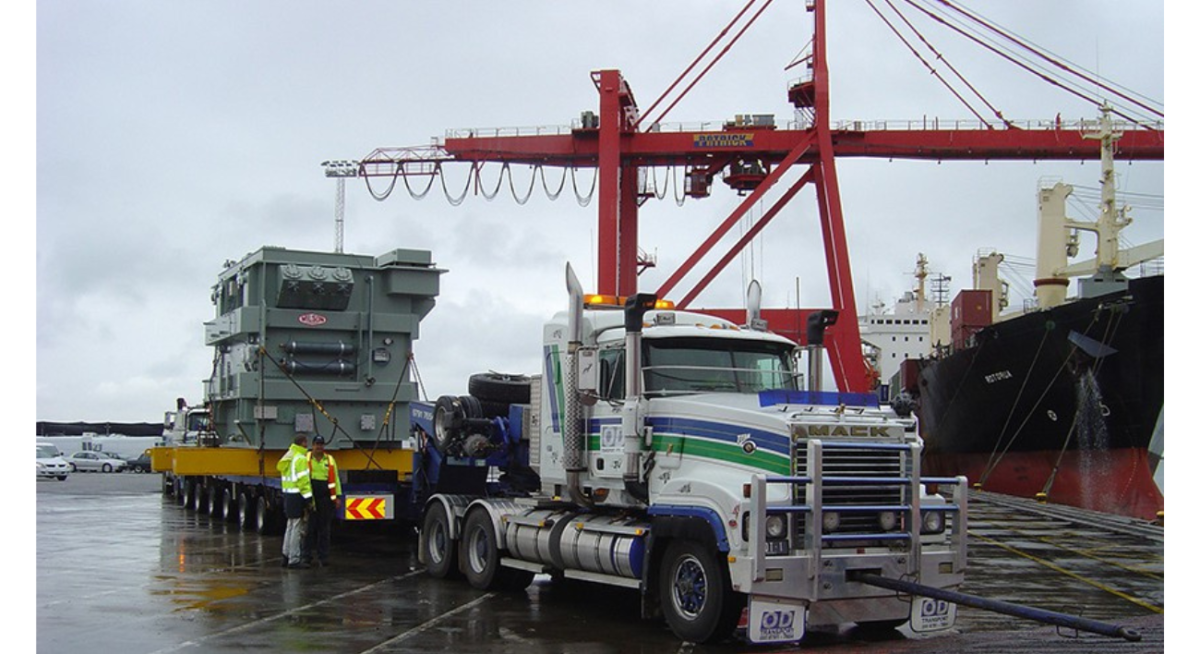
A vast power transformer leaves Appleton Dock, Port of Melbourne, at 11 pm on Tuesday, 14th January 2025. It will reach Plumpton by 5 am on Wednesday, 15th January 2025.

The length of the heavy vehicle is about 78 metres long, and its width is about 4.5 metres wide. Moreover, it is suitable for transporting the transformer.

Staying at a safe distance when the load is travelling or parked is the best way to avoid a mishap since this is quite a tricky operation. If driving out is necessary during this time, plan to ensure a scarce source of delays or take another route.

The Journey of Very Large Transport Operation on the Move

As part of the transport operation, escort vehicles and co-driver teams will follow closely. They will escort the load at the front and behind the car to ensure road safety during and after the move. It will be travelling at night to mitigate the impact on the road network.

For taking a ride in transport, the average speed is 45 kilometres per hour. Meanwhile, there are circumstances, especially when crossing bridges and corners, and they have to further slow down to around 5 km/hr.

For a brief time, a temporary road closure will occur from Sunshine Avenue between Rutherglen Way to Santa Monica. Moreover, it is vital for the time taken for the heavy vehicle to negotiate a tight roundabout within the vicinity.

Ensuring Road Safety during a Very Large Transport Operation on the Move

Transport operations will be running at significantly reduced speeds. Plan for the travel in advance and allow extra time. There will be some places where traffic police will supervise the underpass.

When you notice a pilot or an escort vehicle equipped with “Oversize Load Ahead” signage and yellow flashing lights, slow down and move as far to your left as possible. All drivers should prepare to stop after receiving any instructions.

If you are coming from the rear, slow down and wait for the transport operation. You will be able to overtake it again when it is safe to follow through.

You can only overtake when instructed to do so. Do not overtake the pilot or escort vehicle, juncture the load, and get stuck in between. It makes it difficult for everyone to do an efficient job, and you put yourself and others in harm’s way.

Also Read: How Much Do Truck Drivers Earn in Australia? Salary & Wages

Maintain Safety While Parking the Oversized Vehicle and Power Transformer

HVNL law says that you should not stop on a freeway to look at the load when it is parked, both for your safety and that of other road users. Stopping on a freeway is illegal and dangerous both for oneself and other road users, including passengers in one’s vehicle.

Victoria Police and the National Heavy Vehicle Register can impose penalties if caught. Moreover, there would be no opportunities for viewing. It is for everyone’s safety, including any children who may accompany you.

Plan Ahead of the Very Large Transport Operation on the Move

That’s a lot of arrangement. It involves a big crew of specialists in the transport, and their safety and your safety are the areas of focus. Kindly plan your trip earlier and stay away from the vicinity.

Visit the VicTraffic website for live travel recommendations; don’t forget to allow yourself plenty of flexible time to make it to your destination.

Explore More: Olympic Highway Accident: Truck Driver Charged in Riverina Crash

ZEV Rebate Scheme Gains $9.5M Boost from Western Australia

Western Australia has injected $9.5 million into its ZEV rebate scheme. This move aims to meet the state’s rising demand for electric vehicles (EVs).

The ZEV Rebate Scheme offers a $3,500 rebate for eligible zero-emission vehicle purchases. Applications are open until May 10, 2025.

What is ZEV Rebate Scheme?

To encourage the purchase of zero-emission vehicles, the WA government offers a $3,500 rebate for new light vehicles powered solely by batteries or hydrogen fuel cells, with a dutiable value of $70,000 or less.

This rebate is available for up to 10,000 eligible vehicles licensed in WA or until May 10, 2025, whichever comes first.

Expansion of EV Charging Infrastructure

Investors have made significant investments in the construction of EV recharging power stations across the state.

Western Australia’s Electronic Vehicle Network

The state is developing Australia’s most extended EV charging network, featuring 110 charging points across 49 locations, from Mundrabilla at the South Australian border to Kununurra in the north.

The network is to reduce the distance between charges to about 200 km so that the travelling is easy for long-distance EVs.

Charge Up Workplace Grants Program

In its second round, this program allocates $12.5 million to expand EV charging infrastructure throughout WA. Also, the program is supporting businesses in installing charging stations at workplaces to promote EV adoption among employees.

Additional Incentives and Support Towards ZEV Rebate Scheme

Western Australia provides further incentives beyond the ZEV rebate scheme to increase the adoption of electric vehicles:

Registration and Stamp Duty Discounts

EV owners in WA benefit from a two-year exemption from registration fees and reductions in stamp duty, lowering the overall cost of vehicle ownership.

Licence Exemptions for Charging Stations

The Western Australia state has expanded licence exemptions for EV charging station operators until June 30, 2027, simplifying the establishment and operation of charging infrastructure.

Eligibility Criteria for the ZEV Rebate Scheme

Vehicles fully powered by batteries or hydrogen fuel cells must qualify for the ZEV rebate scheme. Moreover, they should have a gross vehicle mass of 4.5 tonnes or less and a maximum dutiable value of $70,000.

To be eligible, the vehicle must:

  • Be totally battery or hydrogen fuel cell powered.
  • Be a light vehicle with a gross mass of 4.5 tonnes or less, including passenger vehicles, light commercial vehicles, and light trucks.
  • Have a maximum dutiable value of $70,000 or less.
  • Be granted a vehicle licence in WA on or after May 10, 2022.

Also Read: Heavy Vehicle Productivity Plan: NHVR’s 2025-2030 Vision

Impact on Electric Vehicle Adoption in Western Australia

The number of EVs in Western Australia has skyrocketed by over 513% between December 2021 and June 2024.

Now, for the very first time, EVs constitute more than 1% of the light vehicle fleet in the state, which is indeed very promising for the future of eco-friendly mobility.

This growth is a mark of how the zero emission vehicle rebate scheme is successful in promoting cleaner transport options. Also, more funds are expected to make this trend even faster.

ZEV Rebate Scheme Paving the Way for Sustainability

Demonstrating the Government of Western Australia’s commitment to environmental sustainability is a further investment of $9.5 million into the ZEV rebate scheme.

After this investment, zero-emission vehicles might become more accessible in the long run and keep the state on its greener future.

As the May 2025 application deadline approaches, potential EV buyers are encouraged to take advantage of the zero emission rebate scheme.

The environment being more conducive not only for individual clients but more for bigger macro environmental strategies thus a win-win situation for everyone.

Trending: NHVR Best Practices for Grape and Wine Transport Industry

Future Outlook of ZEV Rebate Scheme

This extra funding reiterates and reinforces the commitment of the government to promote sustainable transport. Also, ZEV rebate scheme cuts down on greenhouse gas emission.

Western Australia is committed, in principle, to advancing the adoption of zero-emission vehicles. The resulting environmental and public health benefits deriving from such changes, through financial incentives and infrastructure development.

For more information on the zero emission vehicle rebate scheme and application details, visit the Department of Transport’s official page.

Beavis Party Hire Space with Hino 300 Series for Event Success

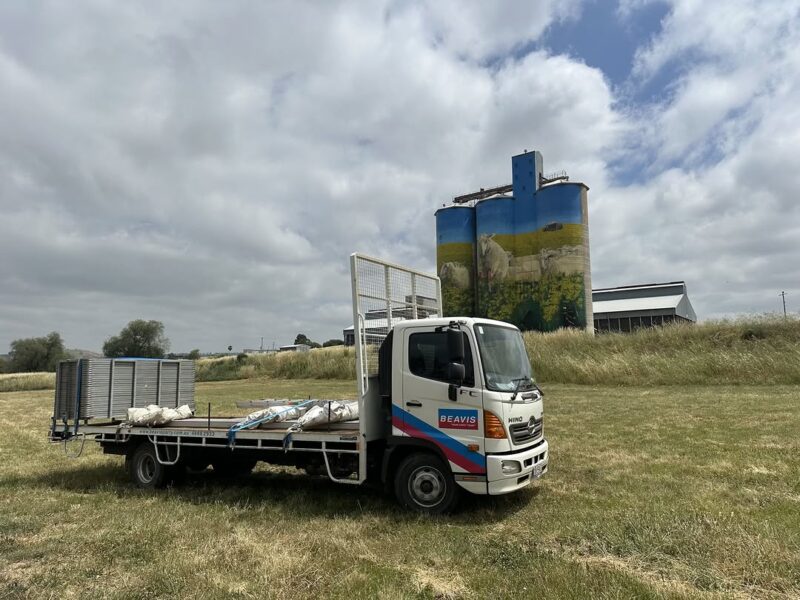
Beavis Party Hire space with Hino added value to their event services. The logistics flow improved with the Hino 300 Series backing up the assurance of events much more than delivering event experiences.

This partnership has enabled the Newcastle-based family business to deliver exceptional event experiences, solidifying its reputation in the event hire industry.

Beavis Party Hire transformed since Craig and Carol Beavis established the company in 2005. After nearly 2 decades of pleasant growth, Ashton, Tara, Cameron, and Nathan are working as a team to maintain the company’s reputation and premises.

The collaboration between the two shows the resilience and adaptability of the company.

Beavis Party Hire’s devotion to quality and customer satisfaction entirely without compromise has made them a great success.

So, the company’s mission is to ensure that every event they cater to is worthy enough for them and has a memorable experience for the clients.

The Role of Hino 300 Series in Beavis Party Hire’s Operations

The Hino 300 Series is the backbone of the fleet. It is compact, highly maneuverable, and fuel-efficient, thus making it indispensable for tight delivery locations and fast event setups, thereby finishing off the entire event experience for our clients.

On the features of the 300 Series, Ashton Beavis-Massey, General Manager, cites its compact build, manoeuvrability, and fuel efficiency.

Beavis-Massey said, “It ticked all the boxes for us — reliable, tough, and plenty of room for all our equipment.”

GM of Beavis Party Hire, Beavis-Massey, further stated, “It’s a gem for the smaller, tighter accessibility deliveries. They’re excellent for their 2.5-tonne carry capacity for larger event hire and bulky furniture equipment. The cab size also allows us to assign three staff members to complete each delivery.”

With a carrying capacity of approximately 2.5 tonnes, the 300 Series accommodates a wide range of event equipment, from large furniture to intricate décor items. Its spacious cab allows for three crew, facilitating efficient delivery operations.

Expanding Capabilities after Beavis Party Hire space with Hino 500 Series

As demand for Beavis Party Hire increased, incorporating the Hino 500 Series fleet expansion brought yet another transport solution to allow us to leverage our capabilities to provide different opportunities for clients.

This model offers increased load capacity for transporting substantial structures like marquees with integrated timber floors, steel components, and weighted blocks.

Team safety is assured during extensive operations since the 500 Series has a strong frame, incorporated with smooth safety features such as the Lane Departure Warning System (LDWS) and Pre-Collision System (PCS).

Beavis Party Hire Building a Reliable Partnership with Hino

Through the efforts of Mavin Hino and rep Darren Collins, Beavis Party Hire and Hino have a long history of connection, which is equal to a strong support network based on trust.

This partnership has streamlined vehicle acquisitions and maintenance, improving the company’s operational efficiency.

On the other hand, Hino trucks have been reliable enough to convince Beavis Party Hire to continue diversifying its fleet with Hino vehicles.

Indeed, that convinces them that these trucks are worth their price and will most likely give a return on the investment.

Enhancing Event Services through Efficient Logistics

Beavis Party Hire can offer many services nowadays because of the integration of Hino trucks- from small occasions to more significant events.

The efficiency and reliability of their logistics have been pivotal in delivering seamless event experiences to their clients.

For multi-purpose usage, the Hino 300 and 500 Series promises the company will adapt to all event requirements to take equipment safely and efficiently, no matter the scale of an occasion.

Commitment to Safety and Sustainability

The focus on safety features in all vehicles by Hino, such as LDWS (Lane Departure Warning System) and PCS (Pre-Collision System), is utterly ideal for Beavis Party Hire as it also takes care of safety and well-being for its teams and clients.

These advanced safety systems provide peace of mind during operations, particularly during high-demand periods, and reflect our shared commitment to safety and customer satisfaction.

Advanced safety systems in Hino trucks provide peace of mind during operations, particularly during high-demand periods.

Therefore, the fuel efficiency of Hino trucks plays an important role, as well, in the effort that Beavis Party Hire has undertaken in the way of sustainable practices: a smaller environmental footprint while providing high service standards.

Beavis Party Hire & Hino: A Partnership for Success

There is no denying that the combined efforts of Beavis Party Hire and Hino have brought about stunning growth and success in the event-hire company.

Hino trucks’ reliability, efficiency, and versatility have enabled Beavis Party Hire to deliver exceptional services, meeting diverse client needs and ensuring event success.

As Beavis Party Hire expands, their partnership with Hino remains a cornerstone of its operational strategy, reflecting a shared commitment to quality, safety, and customer satisfaction.

Trending: NHVR Prioritize Road Safety for All Drivers This Christmas Season

Five Key Updates in the Transport Industry This Week

If you have yet to get a glimpse into the latest five key updates in the transport industry this week, you would have missed out on some weighty happenings within the industry – all of which go very well to show how dynamic and ever-changing this sector has become.

A lot has happened throughout the week, including some really big events, including crazy acquisitions and enormous infrastructure advancements.

These events are a testament to the sector’s resilience and adaptability, with which it safeguards its position as the foundation of globalisation and transnational activity.

Here, we explore the most influential happenings to keep you revamped and inspired.

Western Truck Group Expands Its Reach with Southern Truck Centre Acquisition

Western Truck Group (WTG) made a significant move in the industry by acquiring Southern Truck Centre. This strategic acquisition has not only expanded WTG’s footprint and service offerings across Australia but also positioned it as a leading player in the truck and transport sector.

Southern Truck Centre, an established name in the industry, adds an extremely rich legacy to the new merger for the service provider. The merger promises to realise the synergies between the two companies, which will bring operational efficiencies and better access to customers for top-quality truck parts and services.

WTG management will retain the seasoned team at Southern Truck Centre to ensure continuity and encourage innovation. It is much more than a business acquisition; it is a step forward to meeting the increasing demand of Australia’s growing logistics landscape.

WTG will now have improved capacity and resources to set new standards in customer satisfaction and operational efficiencies.

Hawk Logistics Takes the Helm of 91-Year-Old Transport Legacy

The hooking up of Hawk Logistics with the 91-year-old transport company to create a giant industry did prove that market reach beyond Hawk is not just an empty demonstration but rather a consummate commitment to not only keeping intact the legacy of its predecessors but also improving on it.

Especially one familiar with its reputation, the new name adds value to the Hawk Logistics portfolio. Hawk combines operational efficiency and services with modern technologies without disturbing traditional business.

They have already carved a new direction into sustainable practices so that legacy businesses are compatible with modern-day environmental issues; that much they have done already.

Hawk Logistics will ensure that customers glide seamlessly into the new space, keeping promises made while developing inventive solutions. The acquisition adds to an increasing trend of merges for stronger resiliency and scalable solutions within a competing marketplace.

Now Trending: Five Stories From The Road: The Lives Of Truck Drivers

Progress Underway: South Australia’s Aldinga Interchange Takes Form

Construction activities within the Aldinga Interchange of South Australia made significant progress. This is a giant step towards establishing better-connected and well-functioning transport networks.

As the project finally sails through, it will tighten relationships and traffic flows across the area and promise good things for commuters and freight operators alike.

This project is one of the key building blocks in the wider context of transforming South Australia’s transport infrastructure. The interchange will be adequately equipped and ready for future traffic load requirements while serving the local economy and reducing commuter and freight operator travel time.

Structural engineers have installed some of the most critical structural installations, showing that construction can occur quickly.

The community leaders and residents are on their note to praise the progress, which could quite significantly enhance their safety and convenience.

More than a simple token or a guarantee, however, it has also become a sure sign seal upon the government’s persistent march to invest in infrastructures and has, indeed, installed itself on these marks of going toward present and future needs.

$9.6 Million Boost for New England Highway Safety

The New England Highway is receiving a makeover worth $9.6 million – an optimistic course taken towards safety for everyone travelling by road. A significant parliamentary improvement will result in a higher flying setting of travel that reduces accidents, making them safe and reliable for almost everyone.

The initiative reflects a proactive approach to road safety, prioritising accident prevention and reducing travel disruptions.

So, the authorities have repeatedly made it clear that they will indeed have local communities develop upgrades that would maximise their purposes, for example, focusing on specific safety problems with minimised annoyance from construction sites.

The safety upgrades on the New England Highway are a significant win for both safety and economic activity. By improving freight efficiency and reliability, these upgrades will reduce the project’s ripple effect on local businesses and industries that rely on the highway for transport.

ACFS Port Logistics Unveils Cutting-Edge Super B-Triple in Brisbane

ACFS Port Logistics has unveiled its latest innovation: a brand-new Super B-Triple vehicle in Brisbane. This new advanced addition to their fleet has been a big boost in freight transportation, and no one comes closer to it in terms of efficiency or capacity.

The Super B-Triple significantly reduces larger loads while complying with stringent safety and environmental standards.

The launch of ACFS is the stone that strengthens the company on its path to being sustainable and operationally excellent in modern logistics and makes it one of the most superior logistics solutions companies in the world of new dimensions.

Combining new and advanced technology with streamlined operations, the Super B-Triple minimises carbon footprints and offers customers cost-efficient solutions.

It is one of the achievements that places Brisbane further along the road towards excellence in innovative transport practices. It also benefits for local and national supply chains.

Wrapping Up: Five Key Updates in the Transport Industry This Week

Five key updates in the transport industry this week reveal just how dynamic the sector is and how critical it is in shaping the world.

Acquisition deals such as Western Truck Group acquiring Hawk Logistics speak volumes, as do major infrastructural refurbishments—Al-Dinga Interchange and New England Highway improvements—across the board, presenting development and innovation.

In addition, ACFS’s launch of the Super B-Triple shows the industry’s pressure toward sustainability and efficiency. The improvements enhance connectivity and prepare better ground for a smarter, safer, and more resilient transport ecosystem. Watch for more wondrous transformations in the coming weeks.

Interesting to Read: Fleet Management Tips: Know How To Manage Heavy Vehicles?