Weekend Read: Eco-Friendly Fleet Management Practices

Every mile matters, but how you manage those miles matters even more. Let’s take a glimpse into eco-friendly fleet management practices below!

The transport and logistics industry is the backbone of global commerce, but it also accounts for a significant share of carbon emissions.

Recently, a fuel spill incident in NSW highlighted how mismanagement not only leads to environmental hazards but also spikes operating costs for fleet companies.

Incidents like these remind us that eco-friendly fleet management is no longer optional, it’s essential.

The good news? With the right practices and tools, companies can reduce their carbon footprint and increase profitability.

1. Rethinking Route Optimisation

Poorly planned routes waste time, fuel, and resources. Even a small detour in daily operations can add up to thousands of unnecessary miles each year.

By integrating route optimization strategies, fleets can save fuel, lower emissions, and ensure faster deliveries.

Rethinking Route Optimisation
While you’re on the road, and you lost your way and went to the other direction, it will affect the last mile delivery with runtime.

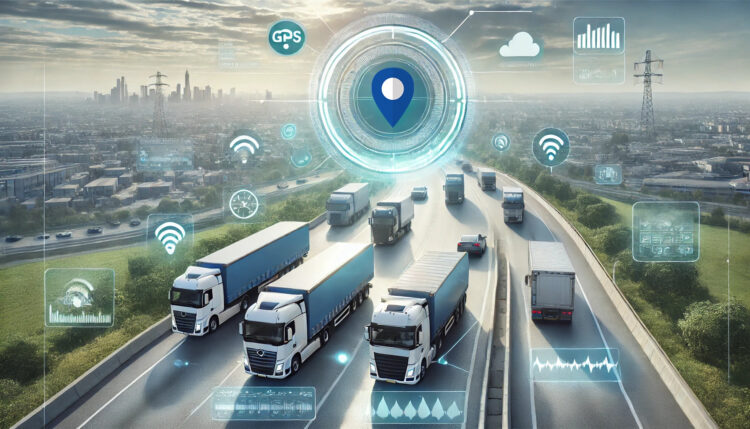
Modern fleet management systems like Manage Vehicle offer real-time traffic updates and GPS tracking, allowing drivers to take the most efficient paths.

This not only reduces fuel consumption but also enhances customer satisfaction with on-time deliveries.

2. Preventive Maintenance for a Greener Future

Breakdowns and unexpected repairs don’t just drain resources, they also lead to inefficiency and waste. Regular vehicle inspections and preventive maintenance keep fleets running smoothly while reducing harmful emissions.

Preventive Maintenance for Eco-Friendly Fleet Management
Fleet owners or managers can save themselves from unexpected repairing costs and breakdowns during a fleet operation.

Eco-friendly fleets schedule routine checks for tire pressure, engine health, and oil levels. A well-maintained vehicle consumes less fuel and contributes less pollution, proving that sustainability and savings go hand in hand.

3. Fuel Efficiency and Alternative Energy Sources

Traditional diesel and gasoline are becoming costlier, both for businesses and the planet. Forward-thinking companies are adopting hybrid and electric vehicles, or at least training drivers in fuel-efficient driving habits.

Practices like reducing idling time, maintaining steady speeds, and avoiding harsh acceleration significantly cut fuel usage.

Fuel Efficiency for Eco-Friendly Vehicle Management Practices
To run a smooth transport or logistics business, drivers and operators must chose an alternative energy sources due to inflation in petroleum and diesel rates.

Meanwhile, investing in greener alternatives like biofuels, CNG, or electric fleets sets businesses on the path toward long-term sustainability.

4. Sustainable Driver Training Programs

Drivers play a direct role in how eco-friendly a fleet can be. Many companies overlook the importance of proper training in green driving techniques.

Teaching drivers to minimize idling, use cruise control where possible, and perform vehicle checks before trips can dramatically reduce emissions.

Driver Training for Sustainable Transport Management Practices
Fleet owners or operators must know that truck driver training programs must take place to run a successful transport business.

When drivers understand the impact of their habits, they feel more responsible and aligned with the company’s eco goals. Empowering drivers through training is one of the most cost-effective ways to create a culture of sustainability.

5. Leveraging Technology for Green Fleet Management

Data is the new fuel for eco-friendly operations. Fleet managers can track fuel consumption, driving patterns, and maintenance schedules through digital platforms. Analytics help identify inefficiencies and optimize performance across the board.

Green Fleet Management for Your Transport or Logistics Business
Fleet business owners or managers must know that a leveraging technology is important for green fleet management practices.

This technology-driven approach makes it possible to turn sustainability from a buzzword into measurable results. By harnessing real-time data, businesses can consistently cut down waste, reduce emissions, and boost operational efficiency.

6. Manage Vehicle: Your Partner in Eco-Friendly Fleet Management

To put these practices into action, businesses need a powerful tool. Manage Vehicle is an all-in-one cloud-integrated transport management system designed to make fleet operations smarter and greener.

From vehicle inspection and fault reporting to repair alerts and driver assistance, it empowers companies to maintain eco-friendly standards effortlessly.

Manage Vehicle's Transport Management Tool is Eco-Friendly
Manage Vehicle (MV) can increase your sales and provide a value to the customers who use its features on a daily basis to boost their eco-friendly fleet businesses.

By reducing paperwork, enhancing efficiency, and streamlining fleet operations, Manage Vehicle not only helps businesses protect the environment but also maximizes profitability. It’s the perfect blend of sustainability and success.

Go green, cut costs, and future-proof your fleet with Manage Vehicle. Book a free demo today and discover how eco-friendly fleet management can boost your business.

Fleet Driver Training: Our 2025 Guide to Finding Success

Fleet driver training can reduce collisions, injuries, and fatalities while also lowering fleet operating costs. It’s also worth noting that your most valuable asset is your workforce.

Your employees represent your organisation, and those who stay behind the wheel will have an increasingly more significant impact on how people perceive your company outside the workplace.

Dangers could be hiding around every corner, whether roads are busy or not. In fact, fleet drivers going too fast or too slow cause the majority of car and pedestrian accidents.

Thus, it’s crucial to develop, implement, and manage a fleet driver training program. Read on as we walk you through the steps required to create an effective skill development strategy.

Step 1: Determine Requirements of Fleet Driver Training

To begin, identify the current risks associated with your fleet drivers, vehicles, and daily operations, as well as incident data. Such buy-in of telematics and collision data will enable the assessment of risks as well. Fleet analysis technologies can help with evaluating training selection.

While accident data is critical, other sources of data that contribute to the overall picture must also taken into consideration.

It is more proactive and practical to have a comprehensive picture of driving behaviour and ability. Data on excessive speeding and abrupt stopping, for example, may aid in identifying judgment and performance issues that contribute to fleet accidents. 

After identifying current problems and performance benchmarks, addressing specific issues and the training needed to solve them effectively would be much easier.  Maintaining a driver or fleet management software is a good start to help you keep track of all this data.

Step 2: Select an Instructional Method for Fleet Driver Training

Now that you have a firm grasp of the requirements for fleet driver training, you can focus on identifying the most effective options. You can achieve your objectives using a variety of training methods, each with its own set of benefits and drawbacks:

1. Workshops and Group Sessions

Workshops and group sessions are a low-cost method of training a large number of people. However, they do not support individual driver-centered learning and have a limited scope.

2. Online Education Services

Training would suit the time of scheduling custom sessions and suit each employee’s job description. However, keep in mind that online instruction is less engaging than face-to-face instruction.

3. Fleet Driver Education 

This method is beneficial when operating specialised vehicles and equipment. In such cases, on-road driver instruction is very effective.

The trainer can work right alongside each driver in an effort to provide safe driving techniques. However, this training method is also time-consuming and costly.

4. Fleet Driver Coaching

Telematics and data have been put into use to help the driver recognise events that occurred. It improves decision-making and required skills, too.

Driver tutoring is more expensive and time-consuming than on-the-road training. It is vital to assess and amend training programs quite frequently to ensure their effectiveness in your organisation.

Now Trending: How Much Do Truck Drivers Earn in Australia? Salary & Wages

Step 3: Implement Your Fleet Strategy

Creating a training program is the most essential component of a better fleet strategy. It involves a well-defined set of schedules and objectives and a mechanism for tracking training completion that will help to reduce confusion and unresolved issues.

It requires the participation of all levels of personnel from upper management to become effective for training completion. Fleet drivers must also understand why training is necessary in order to benefit both your organisation and themselves.

As a result, a well-planned driver communication strategy is critical to the program’s success.

Enhancing Safety and Efficiency Through Fleet Driver Training

Driver education has unquestionably many advantages. Improved fleet driver training and confidence contribute to lowering the car, legal, insurance, and administrative costs associated with accidents.

Moreover, you can improve your company’s performance while also reducing accidents, injuries, and fatalities by promoting the safety of your fleet drivers and other road users.

Manage Vehicle is an established vehicle management company situated in Melbourne, Australia. We provide the best fleet management software in the industry that can accommodate large or small fleets, all while minimising fuel expenses.

Please schedule a consultation with us today and optimise your operations!