The 5 Advantages of Vehicle Tracking Software for Rental Vans

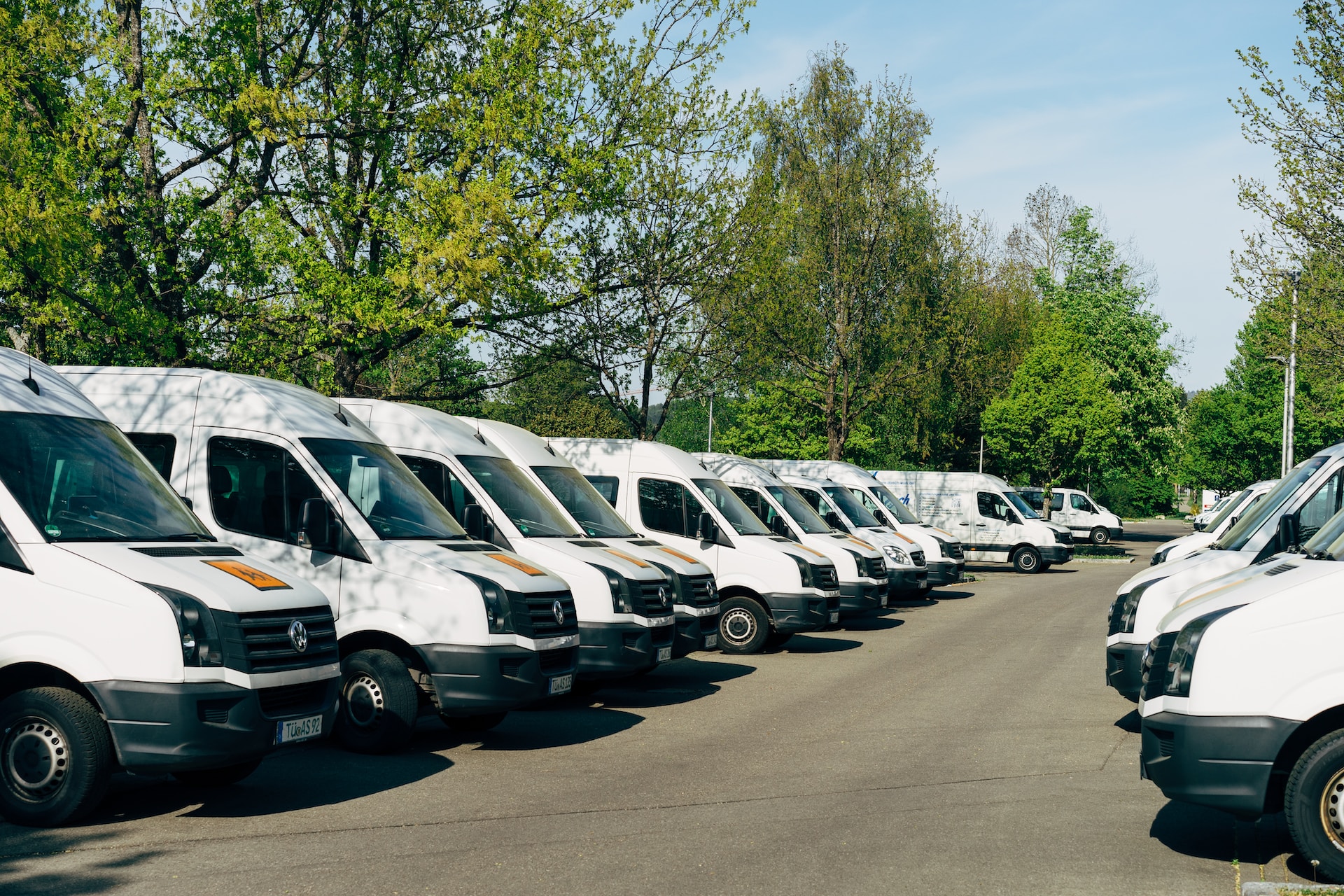
Vehicle tracking software for rental vans solves one of the biggest headaches in the rental business: keeping tabs on where your fleet is and how it’s being used. Even with a reliable team of drivers, having a system that monitors their movements and ensures they stick to the rental agreement is essential.

Vehicle tracking software provides a practical solution to this problem. This article will talk about the benefits of using vehicle tracking software for rental vans.

1. Improved Fleet Management

Vehicle tracking software allows rental van companies to manage their fleet of vehicles more efficiently. The software offers real-time data on the location of each vehicle, allowing rental companies to keep track of their vans’ movements. 

This information can help rental companies schedule their vehicles’ maintenance, optimise routes, and ensure they are used efficiently. With vehicle tracking software, rental companies can reduce downtime and enhance their customers’ experience.

2. Reduced Operating Costs

By optimising routes and reducing idle time, vehicle tracking software can help rental companies lower their operating costs. This can be done in several ways, including reducing fuel consumption, minimising maintenance costs, and improving driver behaviour. 

In addition, vehicle tracking software can help rental companies identify under-utilised vehicles and make better fleet size and composition decisions. Doing so allows rental companies to increase profitability and offer more competitive rates to their customers. 

3. Enhanced Customer Service

Using vehicle tracking software has the added benefit of improving customer service. By utilising live data, rental companies can give their clients precise details about the whereabouts of their vehicles. This feature can help customers plan their trips and reach their destinations without delays. 

Furthermore, vehicle tracking software can supply rental companies with information concerning the behaviour of their drivers. This ensures all the drivers are delivering exceptional customer service from start to finish.

4. Improved Safety and Security

As reiterated earlier, the software provides real-time data on the location of each vehicle, allowing rental companies to monitor their vans’ movements. This information can help rental companies identify potential security threats and take appropriate action. 

Vehicle tracking software can also help rental companies collect data on driver habits, allowing them to identify drivers who engage in unsafe driving practices and determine measures to improve their driving habits.

5. Easy to Use

The best part about vehicle tracking software is that it is user-friendly and requires minimal training. Rental companies can access it from any device with a stable internet connection, making monitoring their vans’ movements from anywhere easy. Moreover, the software displays real-time data, allowing companies to respond quickly to any issues that arise.

Key Takeaway

Vehicle tracking software allows rental van companies to manage their fleet more efficiently, reduce operating costs, enhance customer service, improve safety and security, and is easy to use. With vehicle tracking software, rental companies give customers a better experience, increase profitability, and stay ahead of the competition.

Smart Fleet Management Made Easy

If you are a rental van company looking to increase your bottom line and streamline your operations, the fleet management software of Manage Vehicle is an excellent investment. It is specifically designed to provide rental companies with real-time data on their fleet, including location, speed, and fuel consumption. 

With Manage Vehicle, you can optimise your fleet and stay on top of your business. The software is easy to use and accessible from any device with an internet connection. Call +61 (0) 444-555-933 or email us at [email protected] to learn more.
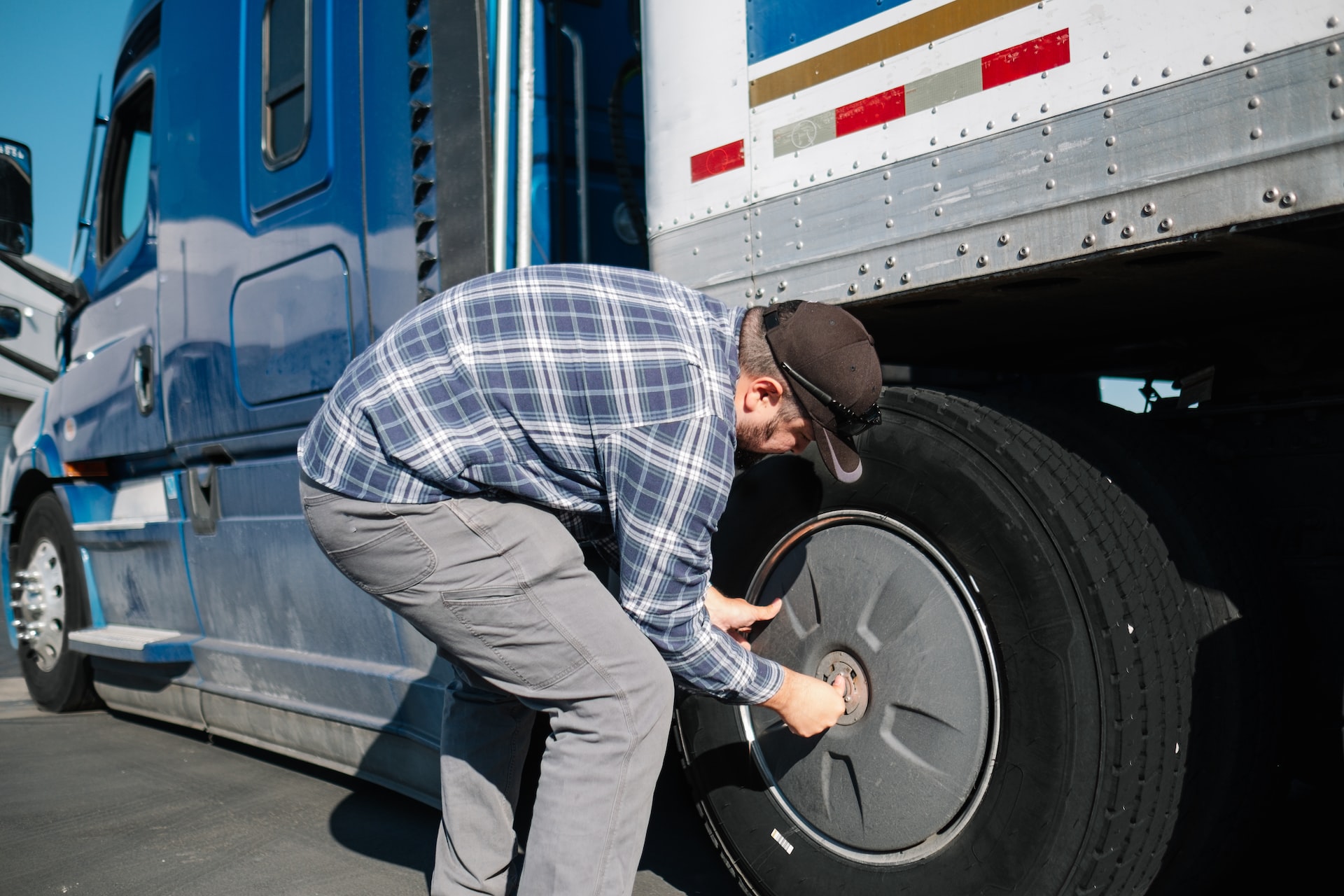
Learning about Driver Fatigue Management and Its Importance

Driver Fatigue Management is essential for ensuring driver safety and efficiency. By implementing effective strategies, companies can reduce risks, prevent drowsy driving, and enhance performance.

Driver fatigue is a major issue that affects many drivers, especially those who drive long distances. It is estimated that fatigue contributes to up to 20% of all road accidents. As a result, it is essential to understand how to manage driver fatigue and reduce its risk.

Why Is Fatigue Management Necessary for Fleets?

When travelling at 100 kilometres per hour, if a driver nods off for just four seconds, the car will travel an additional 111 metres. According to the Transport Accident Commission of Victoria, around 50 people each year are killed, and another 300 are seriously injured as a direct result of accidents caused by driver fatigue.

Although data at the national level may be inconsistent, it is clear that drowsy driving is a significant contributor to a significant number of preventable deaths and injuries on our nation’s roadways.

The most conservative estimates place the percentage of crashes attributable to fatigue at 5%, based on coronial and police citations. The number rises to as high as 30% when you factor in distraction-related crashes, according to the Australian Transport Council (formerly the Standing Council on Transport and Infrastructure).

Managing Fatigue in Commercial Vehicle Drivers

For Fleet Managers, the issue of commercial driver fatigue management goes beyond questions of morality and individual accountability. The management of fatigue among drivers of heavy vehicles and of CMVs is an important issue in Australian law.

Training Programs for Drivers

In order to stay on the right side of the law, all of your heavy vehicle and commercial vehicle drivers must receive training on how to prevent fatigue-related accidents.

Driving Safety, for instance, is only one of many helpful resources for researching the many driver education programmes spread out over Australia.

Driver Fatigue Management Prevents Driving-Related Risks

Fleet managers can use technology for commercial driver fatigue management to keep their staff safe and in accordance with the law. In-Vehicle Driver Monitoring Systems (IVMS), often known as fleet management software, can be used to keep tabs on and improve drivers’ well-being.

In particular, high-tech setups make use of driver attention monitors, which track a driver’s gaze to determine whether or not they are paying attention behind the wheel. In the event that the driver’s concentration begins to wane, the device will activate the brakes and flashing lights.

Furthermore, fleet managers have access to tools such as GPS trackers for vehicles.

When combined with fleet management software, these gadgets produce what are called “driver monitoring systems,” which keep tabs on things like speeding, aggressive driving and braking, and rough turning, among other things, and report on it.

Fleet managers can use this information to effectively steer their drivers away from risky behaviour.

Read More: Hume Highway Accident: Driver Killed In Truck Collision at Cullerin

Vehicle Communication Systems Supporting Driver Fatigue Management

In-Vehicle Communication

For the most part, fleet management systems are the ones that allow for communication between vehicles. As previously mentioned, these technologies allow drivers to communicate with your company’s central office or fleet manager in two-way fashion.

In essence, driver fatigue management give companies the ability to leverage information gathered from a GPS driver tracking system and communicate them directly with the driver in real-time.

These systems ensure that drivers make the right driving action when fatigue becomes a concern.

Vehicle-to-Vehicle Communication

There is also the possibility of inter-vehicle communication with the help of some of the more modern technologies. Using this system, cars can share information about potential road risks with their drivers.

All Australian fleet managers need to take Driver Fatigue Management seriously, and they may do so with the help of fleet management systems and driver communication.

Why Driver Fatigue Management is Important?

Overall, driver fatigue management is of utmost importance when it comes to safety on the roads. It is essential to recognise the signs of fatigue, such as yawning, slow reactions, and poor concentration, and to take steps to prevent it.

Employers should ensure that their employees rest well before they undertake journeys and make them aware of the risks of fatigue while driving.

By understanding the importance of driver fatigue management and taking steps to prevent it, we can ensure that our roads are safer for everyone.

If you are looking for reliable and innovative software that specialises in advanced fleet maintenance in Melbourne, look no further than our system here at Manage Vehicle.

We provide the best fleet management software for large and small fleets, allowing businesses to monitor and implement fleet compliance and maintenance, and reduce fuel costs with managed vehicle systems, amongst other things.

Call us today to get an actual quote for our fleet management system.

5 Ways Fleet Managers Can Deal with Irresponsible Drivers

For fleet managers, it is important to be aware of the potential risks posed by irresponsible drivers. Unsafe driving practices can lead to costly accidents, lost time, and damaged vehicles.

To ensure the safety and efficiency of your fleet, it is important to set standards for responsible driving and to have measures in place to address any issues that arise.

Here’s 5 Ways Fleet Managers Can Deal With Irresponsible Drivers

It is important to manage irresponsible drivers. In this guide, we will discuss strategies to help you in keeping your fleet in check for the future.

1) Have Policies in Place

Having policies in place is an essential step for any fleet manager looking to deal with irresponsible drivers. Policies should clearly outline expectations for driver behavior, such as speed limits, required rest periods, and appropriate use of vehicles. 

By having policies in place and enforcing them consistently, fleet managers can establish a culture of safety and responsibility among their drivers.

2) Emphasize the Importance of Rules

Fleet managers should emphasize the importance of rules and regulations to their drivers. They should ensure that all drivers understand the rules and the consequences of not following them.

Drivers should be made aware that any violation of the rules will result in disciplinary action. It can also come across suspension or termination. 

Fleet managers should also ensure that all drivers are familiar with company policies and procedures and that they understand the importance of following them. 

So, this will help to create a culture of responsibility and accountability among the drivers, which will help to reduce incidents of irresponsible driving.

3) Recognise and Categorise Behavioural Patterns

Recognising and categorising behavioural patterns is an important way for fleet managers to deal with irresponsible drivers. By monitoring driver behaviour and identifying patterns of bad behaviour, operators can then take appropriate steps to address the issues. 

By recognising and categorising behavioural patterns, fleet managers can better identify different areas. Also, drivers need more education and guidance to ensure safe and responsible driving.

4) Conduct Background Checks

Conducting background checks is an important step in ensuring that your fleet drivers are responsible and safe. Also, background checks can reveal any past convictions, traffic violations, or any other criminal activity that can put your company and other drivers at risk. 

Background checks can also uncover whether a potential driver has the qualifications, experience, and expertise necessary to safely drive your fleet.

By taking the time to conduct thorough background checks, fleet managers can make sure that their drivers are reliable and trustworthy.

5) Transition Persistently Poor Drivers a Different Role

Transitioning persistently poor drivers to a different role is an effective way for fleet managers to deal with irresponsible drivers. Moreover, it gives the driver a chance to make a fresh start in a new role and allows them to use their unique skills in a new capacity.

This can help to improve fleet performance and morale, as the driver can feel like they are making a contribution in a different area of the business. 

Why is Fleet GPS Tracking Important for Fleet Managers?

By taking the necessary steps, fleet managers can ensure that their drivers are reliable and trustworthy. Doing so will ultimately help to ensure that their fleet is running as efficiently as possible.

Make fleet management easier with Manage Vehicle. We have the best fleet GPS tracking systems to ensure your drivers are not behaving irresponsibly on the road. Get in touch with us today to learn more.

The Advantages of Using a Waste Management Fleet Tracker

Are you looking for means to improve your waste management fleet performance? A waste management fleet tracker is a great way to do so. A fleet tracker with a GPS vehicle management system can help you identify and address issues quickly, leading to improved performance.

Here are 12 advantages of using a waste GPS vehicle management system:

1. Improved Efficiency

A fleet tracker can help you monitor the performance of your vehicles, providing real-time data on their location and speed. This will enable you to optimise your fleet operations and ensure that your cars run at their most efficient levels.

2. Cost Savings

Waste management fleet tracking systems can help reduce costs by providing insights into fuel consumption and maintenance needs. This can help companies reduce costs by optimising routes, scheduling maintenance, and reducing fuel costs.

3. Enhanced Safety

Fleet tracking technology can offer waste management companies to ensure that their drivers adhere to safety protocols. The system can track driver behaviours and monitor speed, location, and other vital metrics. This allows the company to ensure that drivers are following safety regulations and not driving in unsafe conditions.

4. Improved Tracking

A fleet tracker can help you monitor the performance of your vehicles and keep track of their maintenance. This will help you identify potential issues and address them quickly.

5. Increased Productivity

A fleet tracker optimises your routes and ensures that your drivers follow the most efficient ways. This will help you reduce delivery times and increase productivity.

6. Automated Reporting

Fleet tracking systems can automate many of the reporting tasks that waste management companies have to do. The design allows companies to quickly generate reports on driver performance, vehicle maintenance, and more.

7. Comprehensive Data Analysis

A fleet tracker can provide you with analysed data and identify patterns in fleet performance. This will let you identify areas of waste and address them quickly.

8. Improved Customer Service

Fleet tracking systems can help waste management companies improve customer service by providing real-time data about their drivers and vehicles. This data can help the company quickly respond to customer requests and provide accurate estimates of arrival times.

9. Streamlined Operations

A GPS vehicle management system can help you streamline your operations and ensure that your vehicles run at their most efficient levels. This will encourage you to save time and money, ultimately improving performance.

10. Improved Maintenance

Fleet tracking systems can help waste management companies keep their vehicles in top condition by providing real-time data about vehicle maintenance. This data can help the company identify potential problems before they become significant issues, allowing it to address them quickly and reduce the risk of vehicle breakdowns.

11. Improved Compliance

Waste management fleet tracking systems can help ensure compliance with regulations by providing data on vehicle speed and location. This can help companies avoid fines and other penalties.

12. Increased Driver Satisfaction

Waste management fleet tracking systems can help increase driver satisfaction by providing more efficient routes, more accurate delivery times, and real-time feedback on performance. This can help drivers feel more secure and appreciated.

Conclusion

A Waste Management Fleet Tracker is a valuable tool for businesses. It helps to reduce costs and improve efficiency by providing real-time information and data on the location and performance of the fleet. The industry can adjust its routes and schedules to ensure maximum efficiency and profitability. The advantages of using a waste management fleet tracker are clear, and companies should consider investing in such a solution if they are looking to improve their efficiency and reduce their operational costs.

Manage Vehicle provides the ideal GPS vehicle management system for any large or small fleet. It helps you to monitor fleet compliance, maintain vehicles, and reduce fuel costs. You can save time, money, and effort in managing your fleet with Manage Vehicle. Contact us today if you need further assistance running your fleet, and a representative will be happy to help.

7 Key Reasons to Invest in Fleet Management Software

If you manage a fleet of vehicles, then you know how important it is to keep track of maintenance, repairs, and other important data. A fleet management software system can make your job much easier by providing a central repository for all your fleet data.

What Is Fleet Management Software?

Fleet management software is a system that helps fleet managers keep track of their vehicles, maintenance, repairs, and other data. The software provides a central repository for all this data, making it easy to track and manage. There are many different types of fleet management software, but the most common features include the following:

– Maintenance tracking

– Repair tracking

– Fuel management

– Vehicle tracking

– Driver tracking

Why Do You Need Fleet Management Software? 

There are many reasons why you need fleet management software. Here are just a few:

1. Keep Track of Vehicle Maintenance and Repair Records

Fleet management software can help you keep track of each vehicle in your fleet. You can track when each vehicle was last serviced and what type of service was performed. This information can be extremely helpful when it comes time to schedule preventative maintenance or make repairs.

2. Schedule and Track Preventative Maintenance 

Preventative maintenance is key to keeping your fleet on the road and avoiding costly repairs. Fleet management software can help you schedule preventative maintenance for each vehicle in your fleet. You can also use the software to track when each vehicle was last serviced and what type of service was performed.

3. Monitor Fuel Usage and Mileage 

Fuel is one of the largest expenses for any fleet. Fleet management software can help you monitor fuel usage and mileage for each vehicle in your fleet. This information can be used to improve fleet efficiency and reduce fuel costs.

Fleet management software can generate a wide range of reports on vehicle utilisation and performance. This can be extremely useful for identifying areas where improvements can be made in terms of fuel efficiency, maintenance costs, driver performance, etc.

5. Dispatch Vehicles and Track Driver Performance

Fleet management software can be used to dispatch vehicles and track driver performance. This can be extremely useful for ensuring that vehicles are being used in the most efficient manner possible and that drivers are adhering to company policies and procedures.

6. Interface with GPS Tracking Systems

Many fleet management software packages can interface with GPS tracking systems. This can be extremely useful for tracking vehicles in real-time and for generating reports on vehicle location, speed, and other data.

7. Store and Manage Digital Documents

Fleet management software can also be used to store and manage digital documents. This can be extremely useful for keeping track of vehicle insurance documents, registration documents, maintenance records, and more.

Conclusion

Fleet management software is a crucial tool for any fleet, providing essential functions like GPS tracking, vehicle maintenance scheduling, and driver performance monitoring. While there are many different software options available, it’s important to choose one that meets the specific needs of your fleet. 

When used correctly, fleet management software can help you save time and money, improve safety, and boost efficiency. If you’re not already using fleet management software, now is the time to give it a try.

The most crucial part of reducing your fleet maintenance costs is to have a system you can rely on. Manage Vehicle gives you a smart fleet management system that allows you to run your fleet smoothly and efficiently. With our advanced fleet maintenance platform, you can reduce fuel costs and eliminate delivery delays. Gain complete control of your fleet operations today by working with Manage Vehicle. Reach out to us to get a quote.

What You Must Know About Asset Tracking in Fleet Management

Asset tracking is a system that helps fleet managers keep track of their vehicles and other assets. It can be used to track the location of assets, as well as their condition and status. Asset tracking can also be used to monitor the performance of a fleet, and to identify and diagnose problems.

How Does Asset Tracking Work?

Asset tracking systems typically use GPS (global positioning system) technology to track the location of assets. GPS tracking devices are placed on the assets, and the tracking system constantly monitors the location of the assets. The tracking system can also be used to track the speed and direction of assets, as well as their location history.

Asset tracking can be used for a variety of purposes, including:

1. Ensuring That Assets are Used Efficiently 

One of the main purposes of asset tracking is to ensure that assets are used efficiently. Asset tracking can be used to identify when assets are not being used, and to determine how they can be used more effectively. For example, if a fleet manager notices that a particular vehicle is not being used during certain hours of the day, they can adjust the fleet’s schedule to ensure that the vehicle is used during those hours.

2. Minimising the Risk of Asset Theft 

Asset theft is a major problem for many businesses, and asset tracking can be used to reduce the risk of theft. Asset tracking can be used to track the location of assets, and to identify when assets are not where they are supposed to be. For example, if a fleet manager notices that a particular asset is not where it is supposed to be, he or she can investigate the situation and take steps to prevent the asset from being stolen.

3. Monitoring the Performance of a Fleet 

Asset tracking can be used to monitor the performance of a fleet. Asset tracking can be used to track the location of assets, as well as their speed and direction. This information can be used to identify problems with a fleet and to improve the efficiency of the fleet. For example, if a fleet manager notices that a particular vehicle is not performing well, they can investigate the problem and take steps to improve the performance of the vehicle.

4. Diagnosing Problems With a Fleet 

Asset tracking can be used to diagnose problems with a fleet. Asset tracking can be used to track the location of assets, as well as their speed and direction. This information can be used to identify problems with a fleet, and to determine how to fix the problems. For example, if a fleet manager notices that a particular vehicle is not performing well, he or she can investigate the problem and take steps to fix the problem.

5. Improving Customer Service

Asset tracking can be used to improve customer service. For example, if a customer calls to report a problem with a product, the asset tracking system can be used to quickly locate the product and determine its status. This information can then be used to resolve the problem quickly.

Conclusion

Asset tracking in fleet management is a process that helps organisations keep track of their vehicles and other assets. By using GPS tracking devices and other tracking technologies, fleet managers can monitor the location, movements, and status of their assets in real-time. This information can be used to improve fleet efficiency, optimise routes, and prevent theft and loss. 

Asset tracking can be a valuable tool for any organisation with a mobile workforce. By understanding how it works and how it can be used, organisations can make the most of this technology to improve their operations.

The most crucial part of reducing your fleet maintenance costs is to have a system you can rely on. Manage Vehicle gives you a smart fleet management system that allows you to run your fleet smoothly and efficiently. With our advanced fleet maintenance platform, you can reduce fuel costs and eliminate delivery delays. Gain complete control of your fleet operations today by working with Manage Vehicle. Reach out to us to get a quote.

Why You Should Get a Dash Cam for Your Fleet Vehicles

Fleet vehicle management is the process of overseeing a company’s fleet of vehicles. This includes tasks such as maintaining and repairing vehicles, ordering new vehicles and disposing of old vehicles. It also involves managing drivers, tracking vehicles, and keeping track of vehicle maintenance records.

One important part of fleet management that often gets overlooked is purchasing the necessary equipment and technology for the overall improvement of the fleet. And one piece of technology that seems to offer a lot of benefits for fleet vehicles is the dash cam.

Ensures First-Hand Evidence in Car Accidents

If you manage a fleet of vehicles, you know how important it is to keep your drivers safe and accident-free. But even the best drivers can find themselves in a collision from time to time. That’s why having a dash cam installed in your fleet vehicles can be such a valuable asset.

A dash cam can provide first-hand evidence in the event of an accident, which can be crucial for determining who was at fault. Installing a dash cam can help you avoid costly insurance claims and potential lawsuits. In addition, dash cam footage can be used to improve your drivers’ safety habits and help you identify any areas where they may need additional training.

With a dash cam in your fleet vehicles, you can have peace of mind knowing that you have the evidence you need to protect your drivers and your business.

Prevents Insurance Fraud

When an accident occurs, insurance fraudsters will often try to claim that it was caused by the fleet vehicle. This can be difficult to disprove without video evidence.

However, if you have a dash cam installed in your vehicle, you can simply review the footage to see what really happened. This can help you avoid paying out false claims, and it can also help you catch the fraudsters in the act.

In addition, dash cams can also help you protect your drivers from false claims. For example, if a driver is involved in an accident, the other driver may try to claim that the fleet driver was at fault.

However, if you have dash cam footage of the accident, you can review it and clear your driver’s name if they were not at fault. This can help you avoid costly insurance claims and keep your drivers safe.

Monitors Fleet Drivers

As a business owner, you want to do everything you can to protect your assets and ensure your employees are safe and productive. That’s why you should consider getting a dash cam for your fleet vehicles.

A dash cam can be a valuable tool for monitoring your fleet drivers. By reviewing footage from the dash cam, you can see how your drivers are behaving on the road. This can help you identify any unsafe driving habits and can also be used to praise good driving.

Final Thoughts

A dash cam can be a valuable asset for any business with a fleet of vehicles. By providing a clear record of events, dash cams can help protect your drivers from false claims and help your business resolve any disputes that may arise. In addition, the footage from dash cams can also be used to improve your drivers’ safety habits and help you identify any areas where your vehicles need improvement.

Improve your fleet’s performance with the help of Manage Vehicle. We are a fleet management software that can help you protect your vehicles and train your drivers. With Manage Vehicle, you can reduce risk and know driver behaviour, making sure they are driving safely. Get a quote now!

The Role of Logistics & Supply Chains on Fleet Management

The role of logistics and supply chain on Fleet management is to optimise the transport supply chain. Fleet managers must consider all the elements involved in the process. This includes things like route planning, vehicle maintenance, and driver management.

By considering all these factors, fleet managers can ensure that their trucks operate at peak efficiency.

Logistics is the process of planning, implementing, and controlling the efficient, effective flow of goods, services, and related information from the point of origin to the point of consumption for the purpose of conforming to customer requirements.

This article will discuss what fleet logistics is and the importance of logistics and supply chains in fleet management. Keep reading!

Fleet Logistics Explained in Fleet Management

Fleet logistics is a process of managing the transportation and distribution of goods and resources to ensure that they arrive at the correct destination on time. This process includes the coordination of vehicles, drivers, and resources to ensure that the fleet is able to operate efficiently and effectively.

Fleet logistics is a critical component of any business that relies on transportation to move goods or people. Without effective fleet logistics, businesses would be unable to meet customer demand or deadlines, leading to lost revenue and customers.

The Importance of Logistics and Supply on Fleet Management

There’s a reason fleet management technology has taken over the world of commercial logistics and transportation. They have not only made the procedure easier, but they have also increased delivery efficiency due to the variety of benefits that it provides.

1. Real-Time Dynamic Routing

Fleet management systems make use of GPS tracking data to generate real-time dynamic routing. This helps in reducing the overall fuel consumption and travel time by finding the most efficient route possible. The system also takes into account the current traffic conditions to further optimise the route. This ensures that the delivery is made on time and in the most cost-effective manner.

2. Reduce Costs through Improved Efficiency

Fleet management technologies help businesses reduce costs by improving the efficiency of their operations. By tracking vehicles and analysing data, businesses can identify areas where they can save on fuel, maintenance, and other expenses.

3. Minimise Vehicle Risk

Another benefit of fleet management technologies is that they can help businesses minimise the risk of accidents and other vehicle-related problems. By tracking vehicles and monitoring driver behaviour, businesses can take steps to reduce the chances of accidents and other incidents.

4. Streamline Compliance

Fleet management technologies can also help businesses streamline their compliance with regulatory requirements. By tracking vehicles and monitoring driver behaviour, businesses can ensure that they are complying with the rules and regulations governing the operation of their vehicles.

5. Electronic Proof of Delivery

Another benefit of fleet management technologies is that they can provide businesses with electronic proof of delivery. This can be useful for businesses that need to track the progress of their deliveries and ensure that they are being made on time.

6. Timely Response to Changing Market Demands

Another benefit of fleet management technologies is that they can help businesses respond quickly to changing market demands. By tracking vehicles and monitoring driver behaviour, businesses can identify trends and make changes to their operations accordingly.

Why Choose Manage Vehicle’s Fleet Management Technologies?

Fleet management technologies offer many benefits to businesses of all sizes. They can help improve safety, efficiency, and profitability while also providing valuable data that can be used to make informed decisions about fleet operations.

If you’re looking for the best fleet GPS tracking systems, Manage Vehicle can help you! Our platform is equipped with the tools and features you need for effective navigation and real-time tracking, all for affordable prices. Simply go to our website to request a quote!

A Safety Option: Getting Your Drivers to Use Dash Cams

In an industry where companies are constantly vying for customers, prioritising safety is one of the best ways to set your company apart. A safe fleet is a valuable asset that can help you attract and retain customers. That said, there is no doubt that using in-cab video telematics is one of the best ways to improve safety on the roads. The thing is, many commercial drivers feel that dash cams are intrusive and limit their independence. Fleet managers may be hesitant to implement a dash cam program because it could be unpopular with the drivers. However, the safety of the drivers is always the top priority.

If you happen to be a fleet manager and you want to convince your drivers to buy-in for dash cams, you may need to take note of the following tips.

1. Be Transparent about It

It’s important to build trust between drivers and management. Communicating openly about new technology is a key part of this. Holding open meetings and Q&A sessions to explain safety goals encourages drivers to participate actively in the success of the fleet.

Technology can help make fleets safer, but only if everyone is on board with using it correctly. If drivers feel like they’re being kept in the dark about new tech, they’re less likely to trust it – which could put the whole fleet at risk.

2. Be the First to Do It

This strategy involves installing dash cams in management vehicles, including yours, to show that the company is supportive of the technology. After that, a few select drivers who are willing to use dash cams are chosen, and they share their experiences with the rest of the driver community. This helps to increase confidence in the dash cam technology.

3. Be Sure to Ask for Their Feedback as Well

It’s important to get drivers to use dash cams on a regular basis and not just as a one-time thing. You need to get their feedback regularly to make sure they stay committed to using the cameras. If you make them feel like their opinion matters and that you value what they have to say, it will improve their morale and satisfaction with their job. Additionally, feedback from drivers can help you figure out any concerns they have and how to address them.

4. Be Diligent Enough to Show the Benefits of Dash Cams through Videos

Showing drivers how dash cams can help them is the best way to get them to use them. Dash cams can help drivers by providing footage of near misses or exonerating them in collisions. Once drivers realise that the dash cam is there to protect them, they will be more likely to use it. Additionally, dash cams can help improve driving habits by providing feedback on speeding, hard braking, and rapid acceleration.

5. Be Generous in Offering Incentives

The idea is to design a rewards system for drivers who improve their safety habits, like harsh braking, speeding, incomplete stops, and unsafe following distances. The rewards could be things like cash bonuses, gift cards, or branded merchandise. This would keep the team invested in improving their safety habits.

Conclusion

Overall, dash cams can be a valuable safety tool for drivers. Providing a record of events can help protect drivers from false accusations and help insurance companies determine who is at fault in an accident. While dash cams are not required, they may be worth considering for any driver who wants to improve their safety on the road.

If you are looking for a business that provides advanced fleet maintenance in Melbourne, look no further than our services here at Manage Vehicle. Our fleet management software allows you to monitor fleet compliance, implement maintenance, and reduce fuel costs. Call us today for more information about our fleet management platform and its full set of features.

6 Best Practices in Keeping Fleet Management Successful

Fleet management can become risky, especially with a few units under one belt. However, technology has proven that it only takes a bit of help to make any task simple. Therefore, through fleet management services, companies can ensure that their vehicles can stay safe and protected. But aside from using technology as guidance, how else can fleet owners make fleet management successful? Here are some ideas.

1. Use a Fleet Management Software

It will not be such a hassle to keep track of your vehicles with technology. There is even software that can help you, called fleet management software. The software happens to be very helpful when it comes to managing the vehicles. It will be your best friend when it comes to keeping track of your vehicles and other information such as attendance, fuel, routes, etc. Take note that the software will bring a lot of help to your business.

2. Retain the Best Drivers

Make sure that your drivers are the best in the business. Don’t just find a driver who has good skills in dealing with customers. You should also choose the most skilled driver who has good morals and character, who would be an asset to your company. Your drivers should be well-mannered, trustworthy, and hardworking. Aside from this, it is also crucial for you to hire a driver who can drive your fleet well and safely. With the help of fleet management software, you can check on your driver’s records if there are any.

3. Keep a Healthy Relationship with Employees

Make sure that your company is an easy-to-work-in environment. Your staff should be able to feel comfortable in the office. Have fun during work and make it easier for them to work harder. With a comfortable working environment, employees can be productive and efficient.

4. Monitor Driver Performance

Monitor your driver’s status. How are they doing when it comes to driving? Are they driving well? Are they punctual? How about their attendance? Keep a reasonable standard for them because you want them to be your assets.

Check out fleet management software that can help you monitor your drivers. With this, you will be able to see the actual status of your drivers, whether they are working well or not. Successful fleet management will not be that difficult with the help of fleet management software. It will help you keep track of your fleet and ensure they are in good condition.

5. Provide Needed Training for Drivers

Do not just hire employees, and off they go to work. Make sure to give them the proper training and the right knowledge, especially if they are new employees. Aside from that, regular training is also a good idea. It will ensure that your employees are well-trained, knowledgeable, and ready to handle their tasks well. It will also ensure that they are safe and will not be harmed.

6. Adopt a Safe Driving Policy

If you are going to drive a company vehicle for work, you need to follow the company’s rules. It includes being on time, putting the safety on top of everything, and having the right attitude when driving. It is also essential for you to follow the company’s rules regarding health and safety.

Conclusion

With the help of the Fleet Management software, your business will be successful in managing vehicles. It will help you keep track of your fleet and manage them accordingly. You will also be able to monitor the performance of your fleet. Remember that the software will help you keep track of your drivers and their performance. It will also help you maintain a good relationship with your employees.

Manage Vehicle is a technology-driven company providing the newest ways to make fleet management and maintenance easier. Through our driver management system, owners never have to worry about the vehicles which are part of their fleet as they can see real-time the status of the vehicle and its location. We also offer GPS tracking in Australia, keeping a close eye on all fleets in the country. Get a quote by visiting our website for more details today.