Five Industry Changes This Week

Have you taken a glimpse of five industry changes this week. This weekend has seen multiple significant developments in the transport and logistics industry.

From leadership changes and innovative trials to major infrastructure investments, these updates reflect the dynamic nature of the sector. Here are five key changes that have taken place.

Here’s Five Industry Changes This Week!

1. EVC Appoints Interim CEO Following Leader Departure

The Electric Vehicle Council (EVC) has appointed Samantha Johnson as the interim CEO after the resignation of Behyad Jafari. Johnson will focus on refreshing the organisation and recruiting a permanent CEO.

Read More: Fatigue Breaches: Work, Rest, Penalties Under HVNL Rules 2025

2. Queensland Announces QFES Low-Emissions Truck Trial

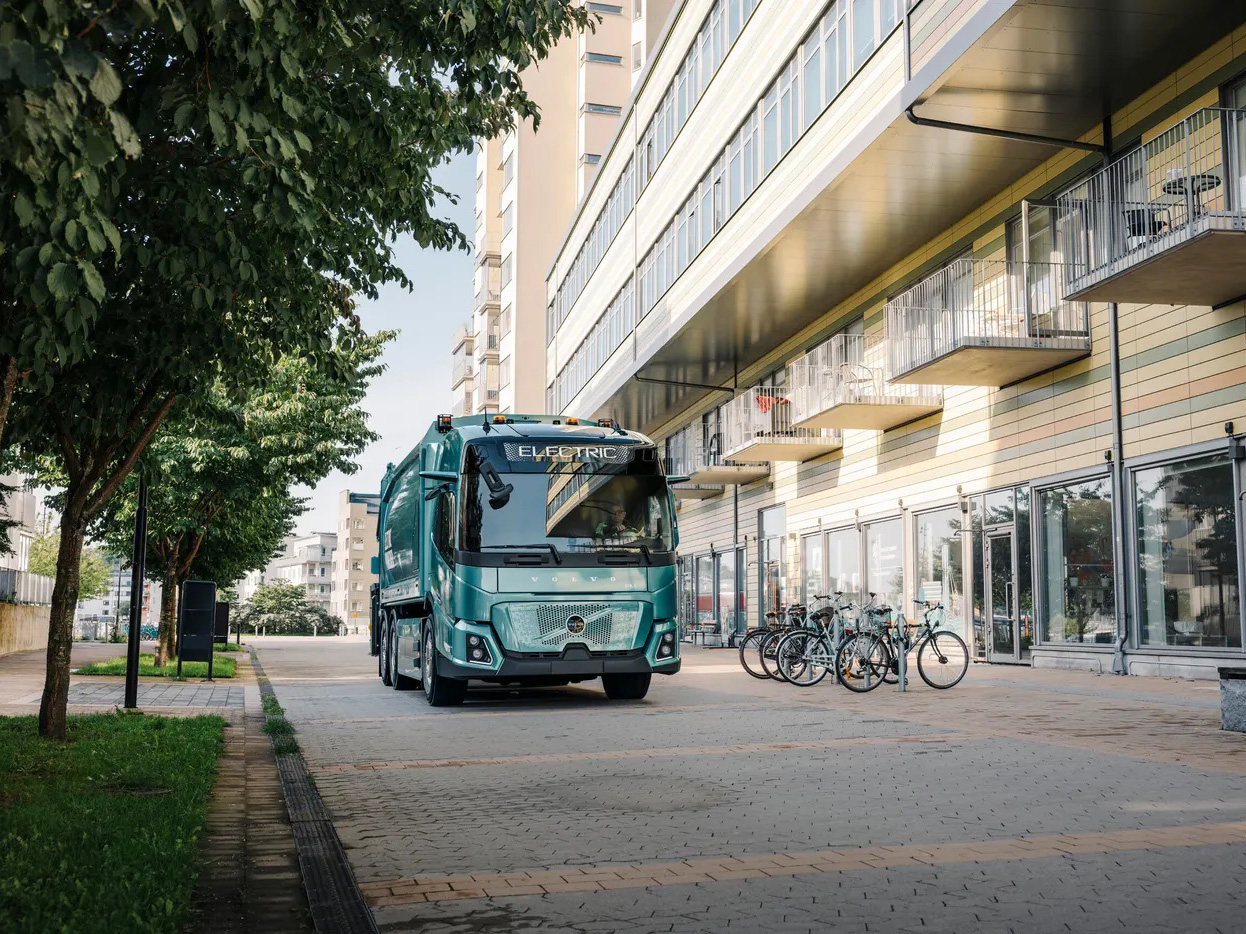
Queensland Fire and Emergency Services (QFES) will trial low-emission trucks to reduce the environmental impact of their fleet. This initiative aims to integrate sustainable practices into emergency response operations.

3. JD Refrigerated Transport Appoints New General Manager

JD Refrigerated Transport has appointed a new General Manager, Chris Lowndes, to enhance operational efficiency and strategic growth. This change aims to strengthen the company’s leadership team and improve service delivery.

4. Extra $72m Locked in for Mount Ousley Interchange

The Mount Ousley interchange in NSW has received an additional $72 million investment, making it a high-priority project.

This brings the total funding to $390 million, with major works expected to start in late 2024 and completion anticipated in four years.

The project aims to improve freight efficiency and safety with new heavy vehicle bypass lanes, safety ramps, and improved access between key roads.

5. $65.5 Million to Upgrade Central Coast Highway – Five Industry Changes This Week

The Australian and NSW governments have allocated $65.5 million to upgrade the Central Coast Highway between Wamberal and Bateau Bay.

This project aims to alleviate traffic congestion by replacing the intersection roundabout with traffic lights and widening the highway to two lanes in each direction.

The upgrade is expected to improve traffic flow, reduce delays, and enhance safety for all road users. The Australian Government has committed $52.4 million towards this project.

Wrapping Up This Week’s Industry Milestones

This week brought notable developments across various sectors, highlighting leadership changes and significant investments in infrastructure and sustainability.

EVC appointed an interim CEO following a leadership departure, ensuring smooth operations during this transitional phase.

Meanwhile, Queensland launched a groundbreaking trial of low-emissions trucks for QFES, setting a benchmark for sustainable emergency services.

At JD Refrigerated Transport, the appointment of a new General Manager signals fresh strategic direction for the company.

Infrastructure upgrades also took center stage, with $72 million secured for the Mount Ousley Interchange, promising enhanced connectivity, and $65.5 million allocated to upgrade the Central Coast Highway, improving transport efficiency.

These updates underline the dynamic nature of the industry, as reflected in Five Industry Changes This Week, showcasing progress and adaptability across key sectors.

Now Trending: Chain of Responsibility 2.0: Accountability Can’t Be Outsourced

Major Funding Boost for Roads Across Australia

Image: Denys Nevozhai on Unsplash

The Australian Government has announced a significant boost to the Roads to Recovery program, with $4.4 billion allocated over the next five years to support local road construction and maintenance by local governments. This increase was outlined in the 2024-25 Budget, with the program’s funding set to progressively double to $1 billion annually.

Increased Funding by State:

  • New South Wales: Councils will receive $1.2 billion over five years, an increase of $461 million.
  • Victoria: Councils will receive $895 million over five years, an increase of $368 million.
  • Queensland: Councils will receive $895 million over five years, an increase of $353 million.
  • South Australia: Councils will receive $395 million over five years, an increase of $153 million.
  • Western Australia: Councils will receive $643 million over five years, an increase of $278 million.
  • Tasmania: Councils will receive $143 million over five years, an increase of $60 million.
  • Northern Territory: Councils will receive $128 million over five years, an increase of $55 million.
  • ACT: Will receive $70 million over five years, an increase of $30 million.
Hon Kristy McBain MP. Federal Members for Eden-Monaro, NSW. Australian Labor Party

“Councils across Australia have consistently asked for more support to better maintain and upgrade their road networks, especially with the severe weather events that have heavily impacted local infrastructure in recent years,” said Regional Development, Local Government and Territories Minister Kristy McBain.

“We have listened to local councils’ calls for more support and will significantly increase the funding available to them – making it easier for councils to progress priority road projects that their communities are calling out for.”

Additional Programmes:

  • Black Spot Program: Funding will increase from $110 million to $150 million per year to improve some of the most dangerous road locations.
  • Safer Local Roads and Infrastructure Program: $200 million will be available per year, which is $50 million more than the two programs it replaced.
  • National Road Safety Data Hub: An additional $21.2 million is committed to improve data collection.
  • National Road Safety and Awareness Campaign: An extra $10.8 million is allocated to boost road safety awareness.

The federal government asserts that the increased funding will allow local governments to plan for long-term maintenance and upgrades of their road networks with greater budget certainty. Funding for each local government area is determined based on factors such as population and road length, ensuring it is distributed where it is most needed.

Local councils are now being advised of their increased funding allocations, as part of the government’s broader initiative to strengthen investment in local roads across Australia.

Driving Towards a Sustainable Future: Six Developments this Month in the Trucking Industry

The Australian trucking industry is experiencing a transformative shift towards sustainability, driven by technological advancements and innovative collaborations. As the nation aims for net-zero emissions, electric trucks and alternative energy sources are becoming increasingly vital. This article highlights the latest developments in the industry, showcasing efforts to integrate greener solutions and support the transition to a more sustainable future.

IKEA Australia Partners with JET Charge for Electric Charging Infrastructure Network

IKEA Australia has teamed up with JET Charge to establish an electric charging infrastructure network, aiming for zero-emission deliveries by 2025. This initiative will enhance EV charging station availability and support IKEA’s sustainability goals.

sustainable trucking industry developments Australia

Image: IKEA Australia

Hino Announces Launch of New Zero-Emissions Truck Brand

Hino Trucks, in partnership with Hexagon Purus, launched a new zero-emissions truck brand named Tern. The first model, RC8, will begin production in Dallas, Texas, aiming to support the transition to electric trucks in the commercial vehicle sector.

Education Resource for Truck Fleets Transitioning to New Energy Sources

Teletrac Navman launched “Mobilising The Future of Fleets,” a podcast to help fleets transition to alternative energy sources. Hosted by Barney Goffer and featuring experts like Professor Colin Herron, the podcast discusses mixed energy solutions, infrastructure, and behavioral changes needed for a sustainable future.

Volvo and Daimler Combine for Vehicle Software Platform JV

Volvo Group and Daimler Truck AG have created a joint venture to develop an advanced vehicle software platform for electric and autonomous trucks. This collaboration will drive innovation and efficiency in the commercial vehicle sector.

zero-emission truck news Australia

Image: Daimler Truck

Daimler Truck Launches New All-Electric Models in Australia

Daimler Truck introduced the Fuso eCanter, Mercedes-Benz eActros, and eEconic in Australia. These models offer up to 300 km of range, advanced safety features, and comprehensive service packages, supporting customers’ transition to electric vehicles.

New $19.4M Electric Vehicle Training Facility to Open in Canberra

The Canberra Institute of Technology (CIT) will open a $19.4 million Electric Vehicle Centre of Excellence, funded by the Australian and ACT governments. The facility will train professionals in EV technology, supporting the transition to net-zero emissions and fostering collaboration with industry leaders like Tesla and Komatsu.

From innovative partnerships and new electric truck models to comprehensive training facilities, the industry is poised to embrace a greener future. As these initiatives take root, they will pave the way for a more sustainable and efficient transportation sector, driving Australia closer to its net-zero emission goals.

Revolutionising Transport Management: From Paperwork to Digital Softwares

Transport Management Software is transforming how the trucking industry handles compliance. In today’s fleets, meeting National Heavy Vehicle Regulator (NHVR) standards isn’t just a regulatory necessity; it’s a cornerstone of safe and efficient operations. For many fleet managers, navigating these stringent audit requirements can feel like a maze, especially when relying on traditional, paper-based record-keeping methods — which is exactly where modern Transport Management Software steps in.

About Transport Management Software (TMS)

Transport management software (TMS) is an essential tool for modern logistics and fleet operations, offering a comprehensive solution to streamline and optimize the entire transportation process. These systems integrate various functionalities, such as route planning, job allocation, GPS tracking, compliance management, and real-time visibility, into one cohesive platform. By leveraging TMS, companies can enhance efficiency, reduce operational costs, and improve overall safety.

The software not only simplifies day-to-day tasks but also provides critical insights that enable better decision-making, ensuring that fleets operate smoothly and in compliance with industry regulations.

The Challenge of Compliance

Fleet managers are tasked with maintaining detailed records on various aspects of vehicle operations. This includes mass management, maintenance schedules, and driver fatigue management. NHVR requires meticulous documentation to ensure that vehicles are roadworthy and that drivers are fit for duty.

National Heavy Vehicle Regulator

Image: NHVR on Facebook

For each driver, the record keeper must track:

  • The driver’s name, license number, and contact details
  • Dates fatigue-regulated heavy vehicles were driven
  • Registration numbers of vehicles driven
  • Total work and rest times for each day and week
  • Copies of duplicate work diary daily sheets
  • Driver’s rosters and trip schedules
  • Driver timesheets and pay records

These records must be kept for at least three years, readily accessible for audits or investigations. 

Traditionally, this has meant a mountain of paperwork, endless spreadsheets, and countless hours spent on the phone coordinating and verifying information. Orthodox record-keeping methods involve significant manual effort. Fleet managers often rely on spreadsheets, paper logs, and physical files to track compliance. 

This process is not only time-consuming but also prone to errors and inconsistencies. Large-scale operations, in particular, face the daunting task of ensuring that records are consistent across multiple vehicles and locations.

stack of books

Photo by Wesley Tingey on Unsplash

Imagine a fleet manager sifting through stacks of paper to verify a driver’s work hours or scrambling to find maintenance records during an audit. The time spent on these tasks detracts from focusing on more strategic aspects of fleet management, like optimising routes or improvising on team plans.

What does TMS Include?

Enter modern technology. Tools like electronic work sheets, digital checklists, and comprehensive fleet management software have revolutionised the industry. These tools streamline compliance processes, reduce errors, and save valuable time.

Electronic Work Sheets

These digital logs replace paper diaries, automatically tracking drivers’ work and rest hours. They ensure real-time accuracy and easy retrieval of data, making it simpler to demonstrate compliance during audits.

Digital Maintenance Schedules

Automated maintenance reminders and digital records ensure that every vehicle inspection and repair is documented and up-to-date. This not only helps in keeping the fleet in top condition but also simplifies the audit process.

Comprehensive Fleet Management Software

Platforms like Manage Vehicle offer an all-in-one solution. From mass management to fatigue management, these tools automate record-keeping, provide real-time data, and ensure compliance with NHVR standards. Fleet managers can easily track vehicle and driver information, schedule maintenance, and generate reports with a few clicks.

Success Story

One of our clients, a fleet manager with a mid-sized logistics company, used to spend hours each week manually updating spreadsheets, coordinating with drivers over the phone, and sifting through paper logs to ensure compliance. Every audit brought stress and long nights at the office.

Since adopting Manage Vehicle’s software, his life has changed. The electronic work diary tracks driver hours automatically, digital checklists ensure every vehicle inspection is logged, and real-time updates keep all records current. Audits have become a routine process rather than a dreaded event. Tom now has more time to focus on improving fleet efficiency and driver safety.

Transport Management Software

Photo by Glenn Carstens-Peters on Unsplash

The shift from manual to digital record-keeping represents a significant evolution in the fleet management landscape. Modern tools not only make compliance easier but also enhance overall operational efficiency. As technology continues to advance, the future of fleet management looks promising, with even more innovative solutions on the horizon.

For fleet managers still navigating the complexities of NHVR compliance with traditional methods, it’s time to embrace the digital revolution. Platforms like Manage Vehicle are not just tools; they are game-changers that transform challenges into streamlined, efficient processes.

Why Good Customer Service is Essential for Compliance and Transport Management

Fleet compliance customer support is often the missing piece in transport technology adoption. In the world of transport and logistics, the foundation of a successful operation lies not only in robust technology but also in exceptional customer service. Manage Vehicle has distinguished itself not just through our fleet management solutions but through a relentless commitment to top-tier fleet compliance customer support for every driver.

The Problem

Many drivers in the industry, traditionally not as tech-savvy, find themselves at the forefront of industry transformation, needing to navigate new software and tools critical for regulatory compliance. We recognise this gap and takes proactive steps to ensure that every driver is not only aware of how to use the new technologies but is also proficient in them.

Why Good Customer Service is Essential for Compliance and Transport Management

This dedication is pivotal, especially when the effectiveness of compliance management hinges on every driver’s ability to utilise software tools proficiently.

How Manage Vehicle Can Help

At Manage Vehicle, customer service transcends traditional support; it involves comprehensive training sessions that ensure all drivers are proficient in using the company’s fleet management software. From detailed tutorials to one-on-one assistance, we ensure that every member of the team understands how to navigate the software, which significantly reduces the risk of compliance issues.

Effective compliance management is not just about having the right tools but also ensuring that every team member can utilise these tools effectively. Our customer service team is trained to understand the nuances of transport management regulations, enabling them to provide informed support and guidance to clients.

fleet compliance customer support

Whether it’s navigating complex compliance requirements or addressing day-to-day operational queries, our 24/7 support team ensures that clients have the knowledge and resources they need to operate seamlessly. This immediate response capability is vital for maintaining the continuity of operations and ensuring that fleet operations are not only efficient but also fully compliant with NHVR regulations.

Our team makes a concerted effort to not only inform the users but also to guide them through these changes, ensuring that transitions are smooth and do not disrupt the daily workflow.

The role of exemplary customer service in this industry cannot be overstated. It ensures that technological solutions are fully leveraged, compliance is seamlessly maintained, and user satisfaction is consistently high.

Our holistic view of customer service is what makes Manage Vehicle not just a service provider but a valuable partner in the logistics industry.

Revolutionise Compliance Management with Toolbox

Compliance Management with Toolbox

Image: Scott Graham on Unsplash

In the rigorous landscape of the Australian trucking industry, where government regulations loom large and audits are frequent, manual compliance management can be a real headache. Here, Manage Vehicle’s Toolbox feature emerges as a vital tool for fleet businesses.

This advanced software acts as a virtual stand-up meeting, ensuring that crucial information reaches every corner of your operation, fostering an environment of compliance and coordination.

The Toolbox feature is designed to help trucking businesses meet stringent regulatory demands by facilitating consistent and documented compliance practices. Whether it’s adherence to safety protocols or regulatory compliance, this software ensures that all necessary documentation is accessible, updatable, and verifiable by all team members, significantly easing the compliance burden.

This feature serves as a central hub for communication within fleet operations. It’s like having a virtual meeting room where drivers, fleet managers, and contractors can discuss and verify important issues such as route changes, safety protocols, urgent alerts and more. This tool is crucial for maintaining operational integrity and ensuring that all team members are on the same page.

In an industry where audits can occur unexpectedly, having a reliable and organized record-keeping system is invaluable. The Toolbox feature supports audit readiness by maintaining a clear, accessible log of compliance documents, incident reports, and maintenance records. This not only prepares businesses for audits but also instills a culture of transparency and responsibility.

Here are some avenues where the toolbox features might be useful

  • Fatigue Management: If a driver doesn’t take required breaks, the Toolbox can alert managers, ensuring compliance with fatigue management regulations.
  • Attendance Tracking: Managers can monitor driver attendance, making it easier to manage schedules and verify shifts.
  • Incident Reporting: In the event of an accident, the Toolbox allows for immediate reporting and documentation, which is crucial for insurance claims and regulatory reporting.
  • Maintenance Reports: Breakdowns and maintenance issues can be reported in real-time, ensuring that vehicles are serviced promptly and maintenance schedules are adhered to.

FAQs

  1. What is the Toolbox feature?
    • The Toolbox is a digital tool within fleet management software that allows for the storage, management, and acknowledgment of essential documents and compliance-related tasks. It acts as a virtual hub for all critical documentation needs.
  2. What types of documents can be managed in the Toolbox?
    • The Toolbox can manage a variety of documents, including safety manuals, maintenance records, incident reports, training materials, and regulatory compliance certificates. Essentially, any document that requires driver acknowledgment or needs to be readily accessible can be included.
  3. Is there a mobile version of the Toolbox available for use in the field?
    • Yes the toolbox can be accessed through the Manage Vehicle FCS app, which allows drivers to access and acknowledge documents directly from their mobile devices, ensuring compliance even while on the road.
  4. Can the Toolbox track driver acknowledgments and compliance?
    • Yes, the Toolbox tracks all interactions, including document views and acknowledgments by drivers. This provides a clear audit trail for compliance purposes and helps in identifying any gaps in compliance.
  5. How can the Toolbox feature help in managing fleet compliance?
    • The Toolbox helps ensure fleet compliance by providing a centralised location where all compliance documents can be stored, accessed, and acknowledged by drivers, fleet managers and contractors. It facilitates real-time updates and acknowledgments, making it easier to maintain and track compliance with regulatory requirements.

Major Funding Boost to $1 Billion Aims to Enhance Road Safety

Australian road safety funding

Image: by Rhys Moult on Unsplash

The Australian Government has announced a significant increase in funding for road safety, with the Roads to Recovery (RTR) Program’s budget set to rise to $1 billion annually. This development was revealed in the 2024-25 Federal Budget and marks a crucial step towards addressing the nation’s infrastructure needs.

The RTR Program plays a vital role in the construction and maintenance of local road infrastructure across Australia.

Available to all local government areas, the program facilitates greater accessibility and improves safety, economic, and social outcomes. Operating under the National Land Transport Act 2014, it also provides a stable and predictable source of funding over five-year periods. With the flexibility to address local priorities, the program has already contributed to significant improvements across numerous road sites.

In the current funding period (2019-20 to 2023-24), the RTR Program has been allocated $2.6 billion, supporting the repair and upgrade of nearly 12,000 road sites. With the new budget announcement, starting from July 1, 2024, a new funding period will begin, eventually increasing the annual budget to $1 billion.

This escalation reflects the government’s commitment to bolstering road safety and infrastructure resilience at a time where road accidents are rampant.

Alongside the RTR Program, other initiatives like the Black Spot Program and the new Safer Local Roads and Infrastructure Program will also see increased funding. The Black Spot Program, aimed at improving high-risk road sites, will have its funding boosted from $110 million to $150 million annually. Meanwhile, the Safer Local Roads and Infrastructure Program, which merges the Heavy Vehicle Safety and Productivity Program with the Bridges Renewal Program, will receive a minimum of $200 million each year.

Prioritising such significant investments, Australia aims to enhance the quality of its road networks, reduce accident rates, and ensure the safety of its citizens. This strategic focus on infrastructure is expected to yield long-term benefits, contributing to the nation’s overall development and well-being.

Six Trucks Torched in Series of Arson Attacks at Dandenong Yard

Six Trucks Torched in Series of Arson Attacks at Dandenong Yard

Image: Victoria Police

Police are seeking the public’s help after two suspicious fires caused significant damage at a Dandenong South yard in Victoria. Authorities reported that the initial fire took place at a business on Kirkham Road on February 17, around 1:30 a.m.

According to police, suspects arrived in a black Audi sedan, breached the business’s entrance gate, and set fire to the cabin of a semi-trailer inside the yard. This incident resulted in the destruction of one truck and damage to two others.

A second incident on March 3, just after 1:20 a.m., involved similar tactics at the same location. This time, the perpetrators used a black Ford sedan, cut the lock to the yard gate, and deliberately set a Scania prime mover on fire, affecting two additional trucks.

The culprits fled in the Ford sedan, leaving behind approximately $1,000,000 in damages. To aid in their investigation, police have released footage of the vehicles involved and are urging anyone with information to come forward.

https://youtu.be/dK3kxP65meg

Anyone who witnessed the incident or has information is urged to contact Crime Stoppers on 1800 333 000 or submit a confidential report online at www.crimestoppersvic.com.au.

Prioritising Driver Training to Enhance Road Safety

Prioritising Driver Training to Enhance Road Safety

Photo by Kelly Sikkema on Unsplash

Amid a growing truck driver shortage in Australia, the pressing need for well-trained drivers becomes increasingly evident. This urgency underscores the importance of not only filling driver seats but ensuring that those who take the wheel are thoroughly prepared for the challenges of the road.

The trucking industry is facing what transport operator Ron Finemore describes as an “intensive care” situation, with a critical shortage of drivers impacting operations across the nation.

Finemore owns a fleet of 290 trucks, operating along the east coast of Australia, and the driver shortage has seriously affected his business.  

This shortage tempts the industry to hasten the training process, potentially compromising the quality of preparation drivers receive.

Statistics from Monash University reveal that drivers who rapidly progress through license classes are 45% to 90% more likely to be involved in heavy vehicle crashes.

This poses glaring risk in hastening driver progression without adequate training, emphasising the need for robust training programs that extend beyond mere compliance.

Initiatives like this pilot scheme proposed by Austroads aim to introduce more young drivers into the industry safely. These programs are designed to manage the risks associated with inexperience, ensuring that new drivers are not only licensed but truly road-ready.

With the proposed licensing reforms and pilot schemes, there is hope for creating a more sustainable inflow of qualified drivers. However, these changes require time and commitment from all industry stakeholders to develop and evaluate their effectiveness thoroughly.

The industry must continue to advocate for and implement training programs that adequately prepare drivers for the demands of the road. Investing in training is investing in safety, and in the long term, this focus will yield significant benefits for all road users.

As we observe National Road Safety Week, let’s recommit to the principles that safeguard our roads. This week underscores the importance of robust driver training programs. By ensuring every driver is equipped with comprehensive skills and knowledge, we contribute to making our roads safer for everyone.

The Risks of Distraction and Fatigue and the Importance of Driver Monitoring

The Risks of Distraction and Fatigue and the Importance of Driver Monitoring 

As the National Road Safety Week unfolds, our attention is drawn to the persistent challenges of distraction and fatigue on our roads. Over 1200 deaths occur on Australian roads every year. These issues are not just statistics; they are daily realities that compromise safety and claim lives. Today, we delve into how innovative smart monitoring technologies are making a difference in monitoring driver distraction and fatigue to mitigate these risks.

The Dangers of Distracted Driving

Distraction among drivers is alarmingly prevalent and dangerous. Research from the Transport Accident Commission indicates that drivers using mobile phones are ten times more likely to cause a collision. Even a two-second distraction, such as glancing at a text message, doubles the risk of a crash, equivalent to travelling the length of a cricket pitch blindfolded at 50km/h. These stark figures highlight the urgent need for interventions that keep drivers’ attention on the road.

The Silent Killer: Driver Fatigue

Fatigue is another critical safety issue, contributing to around 20% of road accidents. Each year, fatigue-related crashes result in approximately 30 deaths and 200 serious injuries. The subtlety of fatigue makes it a dangerous threat, as it impairs judgement and reaction times, often before the driver even notices.

Fitness For Duty

Based on these criteria, the National Heavy Vehicle Regulator (NHVR) released a fitness for duty guideline.

The assigned hierarchy consists of

  1. Compliance with hours or work regulations under HVNL
  1. Prior sleep-wake behaviours
  2. Embedded driving performance measures
  3. Driver state sensing technologies
  4. Absolute authority to stop

Smart Monitoring Technology: A Game Changer

In addressing these challenges, Fatigue and Distraction Detection Technologies (FDDTs) have emerged as pivotal tools.

One significant piece of real-time data we gathered– over a 12-month period, this technology monitored drivers across 16 billion kilometres, during which 18.4 million distraction events were detected.

This amounts to 1 distraction event per 875 kilometres travelled. In a job where even a 3 second lapse in focus could lead to loss of human life, intervention is imperative.

Real-World Impact and Industry Insights

The effectiveness of FDDTs is also emphasised through industry research. In a detailed study, stakeholders reported a unanimous belief that FDDTs could significantly decrease the frequency of fatigue and distraction incidents. The technology not only alerts to immediate risks but also collects data that helps fleet managers enhance long-term safety strategies. This proactive approach shifts from mere compliance to a dynamic, real-time safety management system.

Regulatory Support and Recommendations

For the full potential of FDDTs to be realised, regulatory backing is essential. Industry research recommends that the Heavy Vehicle National Law (HVNL) be amended to recognize and promote the use of these technologies. Providing a legal and regulatory framework that supports the use of FDDTs will encourage broader adoption and integration into safety management practices, enhancing road safety outcomes across the board.

This National Road Safety Week, let’s focus on the significant strides made in technology that can safeguard our drivers from the risks of distraction and fatigue. Smart monitoring technology offers more than just compliance; it offers a chance to save lives through vigilant monitoring and timely interventions. It’s an investment in safety that delivers measurable benefits and aligns with our commitment to reducing road trauma.