Technological Developments in the Road: Leveraging AI to Reduce Accidents

The landscape of road safety is rapidly evolving with the integration of artificial intelligence (AI) and other advanced technologies. Recent developments in New South Wales (NSW) have highlighted the power of AI in enforcing road safety regulations, as seatbelt enforcement cameras have issued over 11,400 penalties within just three weeks of going live. This surge in violations, which was much higher than anticipated, is a stark reminder of the ongoing challenges in ensuring compliance with basic safety measures.

According to the NSW Government, the cameras revealed that a significant number of drivers and passengers are still neglecting to wear seatbelts correctly. This alarming data prompted Minister for Roads John Graham to express his concern: “We knew there was a problem with seatbelt compliance among a small section of motorists and passengers, but the reality is it is worse than expected, and we need this to serve as a wake-up call.” The cameras captured a wide array of dangerous behaviours, including unrestrained children and improperly worn seatbelts, further emphasising the critical need for such technology.

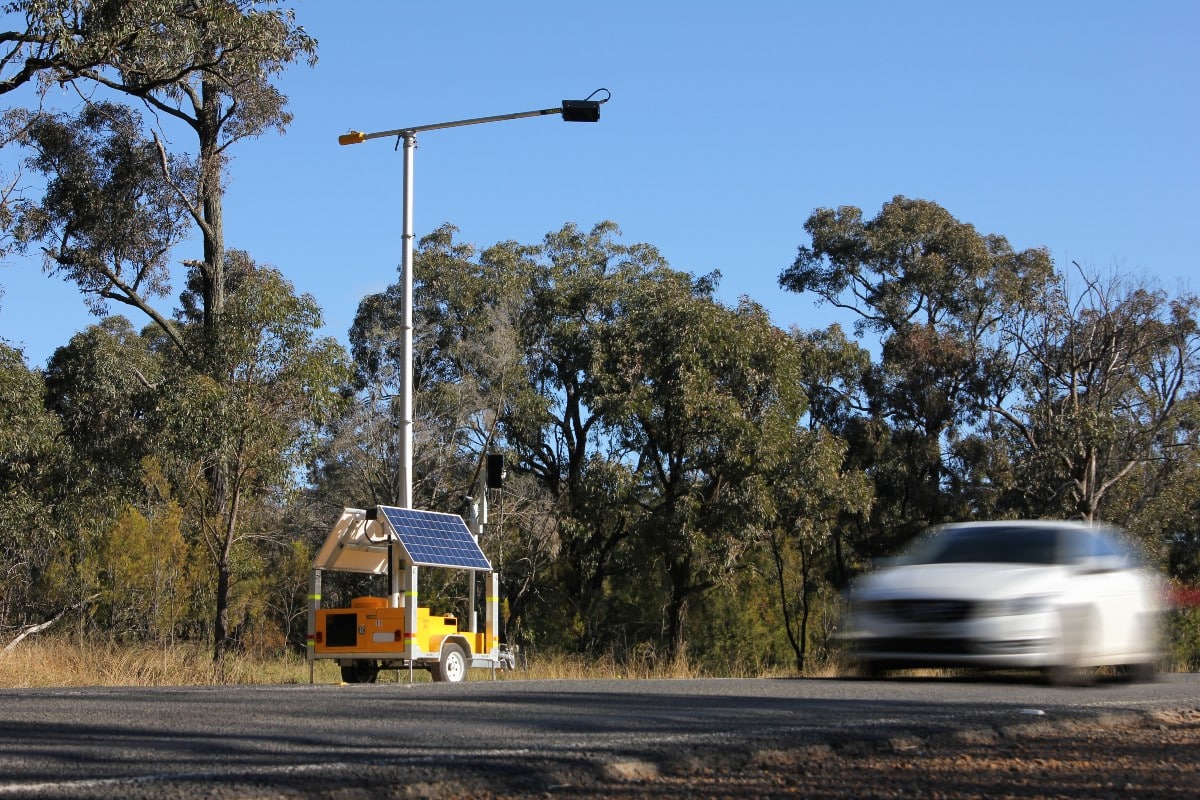
The mobile phone detection camera network began enforcing seatbelt offences on July 1. Image: Jenny Aitchison MP

This surge in detected violations is not an isolated incident but part of a broader trend where AI and machine learning are being leveraged to enhance road safety. One of the most significant advancements in this area is the Fatigue and Distraction Detection Technology (FDDT), which is designed to monitor drivers in real-time, identifying signs of fatigue and distraction—a leading cause of accidents on the roads.

The FDDT is not just about catching offenders; it plays a pivotal role in preventing accidents before they happen. By using sophisticated algorithms, the system can analyse a driver’s behaviour, such as head movements, eye closure, and steering patterns, to detect signs of drowsiness or inattention. When the system detects a risk, it can alert the driver or even take corrective action, such as slowing the vehicle down or issuing an emergency warning.

These AI-driven technologies are not only reshaping enforcement but are also becoming essential tools in the broader strategy to reduce road fatalities. The NSW Government’s adoption of seatbelt cameras and the ongoing promotion of FDDT are examples of how technology can bridge the gap between policy and practice, ensuring that safety regulations are adhered to more rigorously.

In the five years leading up to the end of 2023, 149 people who died on NSW roads were not wearing a seatbelt—constituting about 15 percent of all vehicle occupant deaths. This statistic, combined with the recent data from the seatbelt cameras, highlights the persistent risk posed by non-compliance. Meanwhile, FDDT’s ability to detect and mitigate fatigue-related incidents is a game changer, offering transport companies a valuable tool to enhance safety and comply with the National Heavy Vehicle Regulator (NHVR) standards.

The Community of Practice established by the NHVR has been instrumental in guiding the implementation of FDDT across the transport sector. This initiative encourages collaboration and the sharing of best practices, ensuring that the technology is used effectively and consistently across different fleets. The benefits of FDDT are clear: reduced accident rates, improved driver safety, and enhanced compliance with road safety regulations.

As AI continues to evolve, its role in road safety will only expand. The integration of technologies like seatbelt enforcement cameras and FDDT represents a significant leap forward in the ongoing effort to reduce road fatalities.

These systems serve as both a deterrent and a safeguard, ensuring that drivers and passengers alike are held accountable for their actions while providing critical protection against preventable accidents.
TWU Calls for Fairer Road Toll System Following Independent Review

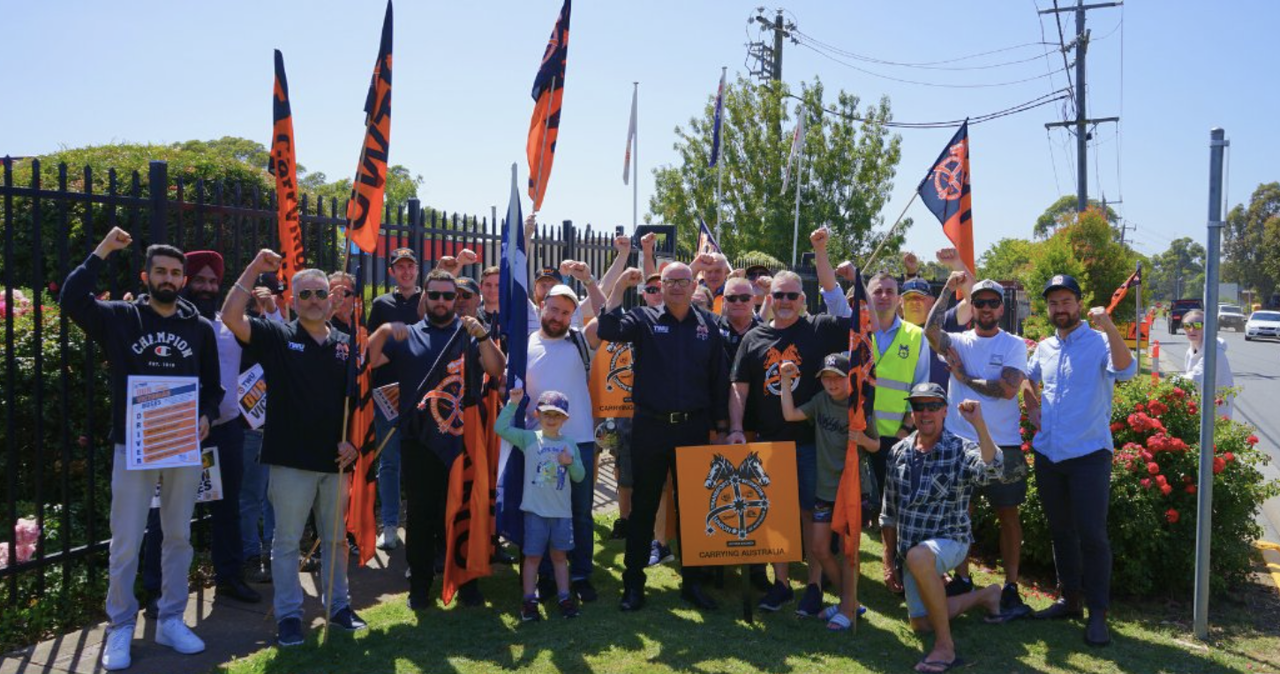
The Transport Workers Union (TWU) welcomes the recent independent review of New South Wales’ toll road network. Chaired by former ACCC head Allan Fels, the review offers a potential solution to an exploitative system that has long disadvantaged owner-drivers and the transport industry.

The report presents several recommendations to address these inequities. One notable suggestion is the introduction of a Middle Class Heavy Vehicle classification. This classification applies to vehicles that are not cars or motorbikes, measure 3.3 metres or less in height, and are 12.5 metres or less in length. The goal is to reduce the toll multiplier for these vehicles from three times that of a car to two times, ensuring fairer pricing for heavy vehicles using Sydney’s toll network.

Implementing this new tolling category would benefit owner-operators of smaller heavy vehicles. These operators, already struggling with a cost-of-living crisis, would face more equitable charges for their essential role in maintaining Sydney’s mobility.

Image: TWU (Victoria/Tasmania) on LinkedIn

The TWU also supports establishing a government-owned special authority to enhance transparency and accountability over the toll network. This recommendation comes from an earlier independent review from March. The review projected motorists will pay $195 billion in tolls by 2060, with much of this revenue benefiting private companies over drivers’ needs. More than half of this revenue is expected to come from WestConnex concessions, highlighting the urgent need for reform.

The report also warns about the introduction of heavy vehicle multipliers on Sydney’s harbour crossings, which could increase costs for trucks and owner-operators using these routes.

A declining distance-based pricing structure is proposed as the foundation of network tolling. This means the further a vehicle travels, the lower the tolling costs. However, this approach would only marginally reduce toll cost pressures for heavy vehicles in the long term. To address frequent usage, the review suggests implementing a heavy vehicle toll cap.

Fels’ recommendations, particularly lowering the toll multiplier for Middle Class Heavy Vehicles, represent a step toward fairness and financial relief for owner-operators. The review exposes the prioritization of private profits over motorists. With billions projected in tolls over the next 40 years, the case for reforms is clear. The significant revenue from WestConnex concessions further highlights the need for a fairer system.

The TWU urges the NSW Labor government to prioritize the road transport industry’s needs and create a more equitable toll network. The TWU is ready to collaborate with the government to implement these recommendations. Ensuring that owner-drivers and the transport industry are no longer subject to an unjust tolling system is essential. These overdue reforms are necessary for fairness and equity in the toll road network.

Engaging Tomorrow’s Transport Professionals

Let’s take a glimpse upon the engaging tomorrow’s transport professionals.

The Queensland Trucking Association (QTA) is addressing the challenge of attracting young talent to the transport industry through the “Driving Townsville’s Future” program.

Introducing Driving Townville’s Future of Transport Professionals

Funded by the state government’s Jobs Queensland program, this initiative targets diverse demographics, including youth, Indigenous Australians, and the long-term unemployed, providing them with training and work experience.

Almost half of Australian truck drivers are over the age of 55, with the average age being 49. Only 6.2% of drivers are under 25, and just 6.5% are women.

These statistics highlight the urgent need to attract younger, more diverse talent to the industry.

The “Driving Townsville’s Future” program will select 20 participants from various employment and demographic backgrounds.

According to QTA Engagement Specialist Lisa Fraser, the program targets both people currently in the industry and those aspiring to enter it, equally dividing the spots between these groups.

How the Program Works?

Participants will complete five core competency units along with work experience or on-the-job training.

“Generally, these government projects require you to target certain cohorts,” Fraser says. “They’re youth, Aboriginal and Torres Strait Islander, long-term unemployed, and gender-based criteria.”

Similarly, the training will be conducted in blocks of 10 participants over four weeks, blending employed candidates with those seeking employment in the industry.

Fraser emphasizes the importance of providing base-level training and accredited units to enhance participants’ skills and readiness for the workforce.

Likewise, Fraser highlights the importance of adapting to changes in how new entrants join the industry.

Adapting to Changing Industry Pathways

Traditional pathways, such as growing up around transport businesses, are diminishing due to increased compliance and insurance requirements.

Moreover, programs like “Driving Townsville’s Future” are crucial in providing new ways for young people and career changers to enter the industry safely and effectively.

“The industry has got to come up with ways to work within the confines of the system that will ensure young people are firstly kept safe but also are provided with that hands-on experience.” Fraser says.

Fraser also stated, “It’s really important for the sustainability of regional transport businesses to be able to attract new entrants into their business.”

Fraser also stresses the importance of careful vetting to ensure participants are suited to the industry, which increases retention and the likelihood of successful program completion.

Building a Sustainable Future for Transport Professionals

Programs like “Driving Townsville’s Future” are essential for the transport sector’s long-term viability.

By addressing both current workforce gaps and future needs, these initiatives help create a sustainable pool of skilled professionals ready to meet industry demands.

Furthermore, the QTA’s proactive approach serves as a model for other regions and industries facing similar challenges.

By investing in targeted training and fostering an inclusive workforce, the transport sector can ensure it remains robust and capable of meeting future demands.

“Freight plan should focus on productivity, efficiency and safety” VTA CEO writes for Big Rigs

In a recent article for Big Rigs, Peter Anderson, CEO of the Victorian Transport Association (VTA), responded to the June 2024 discussion paper by the Department of Transport and Planning, calling for the updated Victorian Freight Plan to focus on productivity, efficiency, and safety.

Anderson highlights several key areas for consideration:

  • Profitability and Business Approach: Anderson stresses that road transport must be treated as a business rather than a community service to ensure the sustainability of freight operations.
  • Infrastructure Projects: Projects such as the West Gate Tunnel and North East Link are recognized for their potential to enhance capacity and productivity. Additionally, Anderson advocates for an Outer Ring Road to alleviate congestion in northern Melbourne.
  • Bridge Infrastructure: The VTA calls for the implementation of weigh-in-motion sensors on key bridges to collect accurate data on vehicle types and weights, which will improve the assessment of bridge life and support productivity improvements.
VTA CEO Anderson at an Industry Event. Image: LinkedIn
  • Technology and Data: With heavy investments in technologies like GPS and AI, Anderson marks that data generated by private enterprises should remain proprietary. He suggests the government develop its own data collection mechanisms to improve route and freight task analysis.
  • Vehicle Permits: The current heavy vehicle permit system is described as complex and revenue-focused, hindering productivity. Anderson recommends a comprehensive review and overhaul to better meet the needs of the freight industry.
  • Intermodal Connectivity: Enhancing intermodal connectivity with sea, rail, and air freight is crucial for improved productivity, efficiency, and safety. Anderson supports the development of intermodal freight terminals, such as the Beveridge Intermodal Freight Terminal, to facilitate efficient mode transitions.
  • Driver Training and Retention: Addressing the challenge of attracting and retaining drivers, Anderson calls for a reformed licensing system that includes comprehensive training programs to create a skilled and committed workforce.

Anderson concludes by emphasising the need for long-term objectives and integrated strategies in the updated Victorian Freight Plan.

The VTA aims to stimulate constructive discussions that will benefit not only the road freight industry but all Victorians.

Five Trucking Industry Updates From This Week

“Welcome to this week’s edition of ‘Top Five Industry Changes.’ The trucking industry Australia relies on continues to evolve rapidly, with significant developments shaping the landscape.”

From Goodyear’s operational consolidation to the Queensland Trucking Association’s recruitment drive, these updates provide insight into the dynamic nature of the transport industry. Stay informed and ahead of the curve with our comprehensive overview of the latest industry shifts.

1. NHVR Urges Safer Livestock Transport Following Rise in Incidents

NHVR on LinkedIn

The National Heavy Vehicle Regulator (NHVR) has called for improved safety measures in livestock transport following a rise in incidents. The regulator is emphasising the need for better training, stricter adherence to safety protocols, and enhanced equipment to ensure the welfare of both animals and drivers​​.

2. Goodyear Merges Australian and Southeast Asian Operations

Goodyear has announced a strategic merger of its Australian and Southeast Asian operations. This consolidation is expected to streamline processes, improve efficiency, and leverage shared resources and expertise across the regions, ultimately enhancing their ability to meet customer demands more effectively​.

3. New Bridge to Improve Key NSW Kamilaroi Highway

A new bridge is set to be constructed to enhance the Kamilaroi Highway in New South Wales. This infrastructure project aims to improve safety and traffic flow for both local and freight vehicles. The bridge will support increased transport efficiency and contribute to regional economic growth​.

4. QTA Searching for Townsville’s Future Truckies

The Queensland Trucking Association (QTA) is actively searching for the next generation of truck drivers in Townsville. This initiative is part of a broader effort to address the industry’s driver shortage and to promote career opportunities in the trucking sector to young people and job seekers in the region​.

5. Followmont Bucking a Transport Industry Trend

Followmont Transport has 24 depots across Queensland and NSW. Image: Followmont Transport

Followmont Transport is challenging the prevailing trends in the transport industry. Despite the widespread issues of driver shortages and high operational costs, Followmont is expanding its fleet and workforce. This growth is attributed to their strategic planning, investment in technology, and a strong focus on customer service​​.

Linfox Vision Zero: Significance and Strides

Linfox Vision Zero demonstrates the entire company’s commitment to safety, sustainability, and the well-being of communities. It is about zero deaths, injuries, vehicle incidents, environmental emissions, and unsafe behaviours.

Since its 2006 launch, Linfox Vision Zero has achieved a 90% reduction in Lost Time Injury Frequency Rate (LTIFR). This initiative further re-emphasises Linfox’s pledge to road safety, environmentalism, and mental wellness for its employees.

The Foundations of Linfox Vision Zero

In fact, Linfox launched Linfox Vision Zero as a comprehensive plan against all the dangers that beset the logistics sector in every age and moment.

Linfox includes difficult safety issues such as fleet accidents, injuries at work, and environmental consequences.

Zero Fatalities and Injuries

Vision Zero advocates for the highest safety standards for employees and communities, including reducing workplace and road fatalities, providing safety training, implementing vehicle monitoring technologies, and establishing appropriate incident response protocols.

Zero Motor Vehicle Incidents

Linfox implemented the latest fleet management systems to achieve effective driving performance monitoring along strict vehicle safety standards, thereby minimising accidents and downtime in operations.

Zero Net Environmental Emissions

Vision Zero brings sustainability. For this reason, Linfox has developed renewables, fuel-efficient vehicles, and waste-reduction strategies with minimal environmental impact.

Read More: Heavy Vehicle Travel Restrictions in Christmas and New Year 2024

Linfox Vision Zero: Transforming Workplace Metrics and Road Safety

Linfox has made fantastic progress in improving workplace safety, which proves how eye-catching the effectiveness of the Vision Zero strategy can be.

With safety metrics such as Lost Time Injury Frequency Rate (LTIFR) and Total Recordable Injury Frequency Rate (TRIFR), Linfox shows a commitment to employees and operational safety.

Understanding LTIFR and TRIFR

LTIFR calculates the University’s first time, emphasising a specific period and enhancing fleet safety by measuring incidents against total employee working hours. Since Vision Zero’s inception in 2006, Linfox has reduced LTIFR by over 90%.

Similarly, TRIFR tracks all recordable injuries and illnesses, offering insights into the broader safety industry. For FY20-21, the rolling 12-month TRIFR for Australia and New Zealand reached an all-time low of 8.4—less than half the rate of Linfox’s 6.

Thus, Linfox protects its employees, which, not least, helps to contribute to safer communities. Vision Zero takes that pledge even further as an initiative: fleet configuration makes every journey as secure as possible.

Industry-Wide Challenges in Road Safety

Road safety has been a big issue for the industry, as shown by data provided by Monash University.

For transport workers in Australia, there have been over 120,742 compensation claims over the last 12 years for injuries sustained from work, two-thirds of which have recorded 22,317 years of lost working time and 545 deaths.

The surprising company’s 17 % of lost time stemmed from vehicle crashes; musculoskeletal injuries and psychological stress accounted for the rest. This highlights the industry’s multifaceted safety challenges.

Linfox Vision Zero: Pioneering Safer Communities

Linfox dreams far away into a better world whose vision is to create safe roads and communities beyond the workplace.

By shifting the metrics to reflect safety through behaviour and establishing standards from the metrics to road practice, Linfox sets an extraordinary benchmark. This highlights the industry’s multifaceted safety challenges.

Also Read: Operation Whiskey Nitrox: Safety Focus on Darling Downs Highway

The Legacy of Linfox Vision Zero

Linfox Vision Zero is also a corporate initiative, but it’s a genuine company promise to safety, sustainability, and innovation.

Zero fatalities, injuries, and emissions are ambitious goals at Linfox that lead the logistics industry toward responsible business practices.

Linfox’s success with Vision Zero in obtaining and maintaining its safety metrics, environmental achievements, and community benefits can be proven.

In the future, as Linfox builds a new service system and espouses innovation, Vision Zero shall always be at the heart of its operations—the very embodiment of a mission towards a safer, sustainable future for everyone.

Top Five Trucking Industry Updates This Past Week

In the dynamic trucking industry, staying abreast of the latest developments is crucial for fleet managers, operators, and industry stakeholders. This week has seen several significant changes and announcements that could impact various aspects of the industry, from road safety and infrastructure to tax regulations and event highlights.

In this article, we delve into the top five industry changes that you need to know about, providing insights and updates to keep you informed and prepared for what lies ahead.

Fuel tax credits are changing again. Image: BP

1. Changes to Fuel Tax Credit Rates Come into Effect

From July 1 to August 4, 2024, new fuel tax credit rates have been implemented. The rebate for liquid and blended fuels used in heavy vehicles has decreased, while the rebate for B100 used outside of heavy vehicle fuelling has increased. These adjustments affect how businesses and owner-drivers claim fuel rebates, impacting operational costs. The changes highlight the need for businesses to stay updated with tax regulations to maximize their benefits and ensure compliance.

2. RFNSW Announces Heavy-Hitting Gala Guest Speaker List

The Road Freight NSW (RFNSW) has unveiled an impressive lineup of guest speakers for their upcoming gala. These influential figures will share insights on the latest trends and challenges facing the road freight sector. Industry experts Mike Williams, Mary-Ann Eather, Jon Luff, Leonie Carter and BP’s Chris Leat will be on the panel.

Government and regulatory speakers at the event will include Sal Petroccitto, federal senator Glenn Searle, NSW Roads Minister John Graham, NSW Minister for Regional Transport and Roads Jenny Aitchson MP, and Fair Work Commission Commissioner Scott Connelly.

Topics will include road safety, technological advancements, and regulatory changes. The gala aims to foster networking and collaboration within the industry, providing a platform for discussion on critical issues. Read more

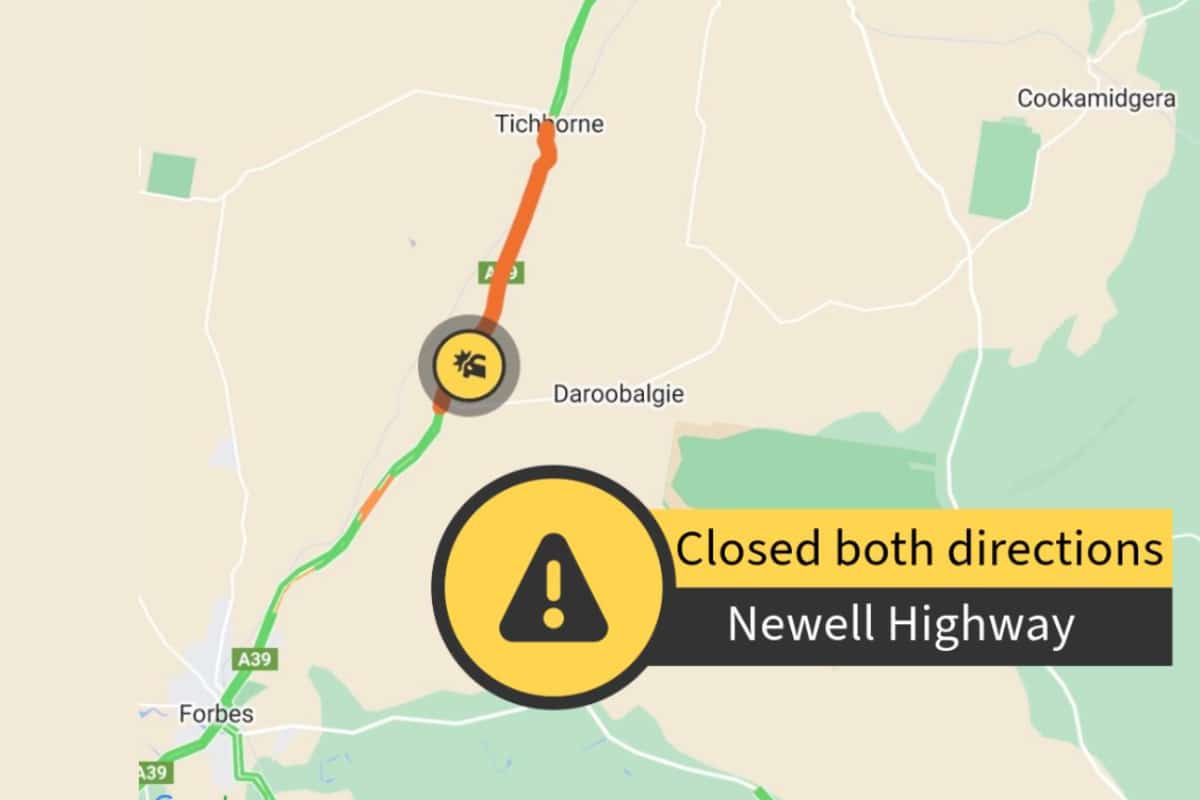
3. Fatal Crash on Newell Highway Between Forbes and Parkes

Image: Live Traffic NSW

A tragic incident occurred on the Newell Highway, resulting in the death of a man. The crash has brought attention to the ongoing need for improved road safety measures on one of Australia’s major freight routes. The Newell Highway is currently closed in both directions. For further updates, see www.livetraffic.com.

4. $200 Million for Local Road Safety Upgrades

The Australian Government has launched the Safer Local Roads and Infrastructure Program (SLRIP), providing $200 million annually for road safety projects. This initiative aims to address infrastructure needs, especially in regional and remote areas, by funding projects that enhance road safety, productivity, bridge renewal, and heavy vehicle rest areas. This program consolidates previous initiatives and offers a more streamlined approach to improving local roads across the country.

The Parkes Bypass is expected to take over 1200 vehicles away from the town’s city centre. Image: Jenny Aitchison MP

5. Construction of 98-Metre Roundabout Begins as Part of $287.2 Million Parkes Bypass Construction has started on a massive 98-metre-diameter roundabout, a central feature of the Parkes Bypass project. This $287.2 million project will divert over 1200 vehicles daily from the Parkes town centre, improving road safety and travel efficiency. The roundabout will also feature a large sculpture, designed in collaboration with Parkes Shire Council, adding a local landmark to the region. This infrastructure upgrade is expected to benefit both local residents and the freight industry significantly.

Why Customer Service is the key to Customer Satisfaction

Photo by Annie Spratt on Unsplash

In an industry where services are becoming increasingly similar, customer service has emerged as the true differentiator between providers. As long as the services are functional, the real value lies in the quality of the customer experience. It’s about more than just resolving issues; it’s about creating memorable interactions that resonate with the customer.

Especially with the rise of AI and automation, many tasks have become streamlined and efficient. However, this shift has also made the human touch more valuable. Automation handles routine inquiries, but complex issues and personalized support require the empathy and understanding that only human interaction can provide. In an automated world, we are witnessing—in real time—a shift towards human interactions. Customers crave genuine connections and personalized experiences that technology alone cannot fulfill.

Excellent customer service fosters trust and loyalty. Clients who receive timely, empathetic, and effective support are more likely to stay with a provider long-term and recommend their services to others. This loyalty translates into long-term business success, as retaining customers is far more cost-effective than constantly acquiring new ones. Moreover, satisfied customers often become brand ambassadors, sharing their positive experiences with others and driving word-of-mouth marketing.

A member of our team with satisfied customers

At Manage Vehicle, we take pride in our exceptional customer service. Our team of dedicated professionals is always available to assist, ensuring that every interaction leaves a positive impression. We believe that every customer interaction is an opportunity to understand our clients better, identify their unique needs, and deliver tailored solutions. This approach helps us build strong, lasting relationships with our clients.

We offer round-the-clock service, with our resolute team ready to help you at any time of the day. We go further than just technical support; we provide help with audits, maintenance, changing hardware, and much more. Our commitment to customer service means we are proactive in addressing potential issues before they become problems, ensuring a seamless experience for our clients.

Discover the difference with Manage Vehicle’s stellar service, where we prioritize your needs and provide ongoing support. We recognize that it’s the intangible elements—empathy, understanding, and personal connection—that create a truly memorable experience.

Over-Height Truck Incidents Drop by Almost Half in Sydney

Sydney has seen a significant reduction in disruptive over-height heavy vehicle truck incidents in the past 12 months. All thanks to Transport for NSW Government for their targeted measures, increased education, and a renewed focus.

Following an unacceptable number of truck incidents that caused serious congestion and safety risks, the National Heavy Vehicle Regulator (NHVR) and Transport for New South Wales (TfNSW) took swift and effective action.

Crackdown on Over-Height Truck Incidents

TfNSW increased fines for over-height trucks ignoring low clearance signage to $5500, with drivers also facing 12 demerit points. Additionally, TfNSW can suspend a driver’s licence for up to six months and impose registration suspensions for trucks for the same duration.

The NHVR boosted education efforts through dedicated advertising on social media, radio, and online. A brochure, translated into three languages, was developed to inform drivers on how to avoid these truck incidents.

Read More: Blue Eagle Transport Adopts 4-Channel Fatigue Detection Camera

Collaborative Efforts in Reducing Over-Height Truck Incidents

Industry partners have played a crucial role in this reduction, supporting driver training and ensuring proper route management and planning. Their ongoing support has been vital.

Since the measures were introduced, the number of over-height truck incidents in New South Wales has dropped to the lowest level since 2017.

According to TfNSW, from January to April this year, Sydney saw 19 fewer truck incidents compared to the same period in 2023, a reduction from 39 to 20 fatalities.

During this period, TfNSW issued eight registration suspensions and seven licence suspensions for over-height trucks.

Proactive Measures to Ensure Safe Routes for Heavy Vehicles

Despite these improvements, complacency is not an option. Every incident has the potential to cause traffic chaos, damage infrastructure, and create dangerous conditions for all road users.

The NHVR remains vigilant in improving communication strategies to prevent such truck incidents.

New South Wales has more tunnels and bridges with low clearances of less than 4.6 metres than any other state in Australia. We understand that driving a heavy vehicle presents unique challenges, but there are essential steps to take every time a vehicle hits the road.

Operators should measure heavy vehicle loads before departure, even if they believe they know the height. Thorough route planning to ensure vehicles only travel on appropriate roads, under suitable bridges, and through proper tunnels is crucial.

Drivers or operators do not want to cause major congestion, infrastructure damage, or injuries. Remaining vigilant about vehicle height and travel routes should be a top priority for everyone.

Trending: Heavy Vehicles Temporary Variation in NSW During Christmas Fall

New NHVR Livestock Regulatory Advice Summarised

The NHVR has released new regulatory advice aimed at improving livestock transport compliance across the industry.
 
livestock transport compliance

Photo by Andy Kelly on Unsplash

The National Heavy Vehicle Regulator (NHVR) has released new regulatory advice aimed at enhancing safety and compliance within the livestock transport sector. This guidance is designed to address the unique challenges faced by the industry, which often operates on an ad-hoc basis with scheduling dictated by immediate needs, such as sales or abattoir timings.

Key Areas of Focus:

  1. Clarifying Responsibilities: The NHVR’s advice aims to clarify the responsibilities of all parties in the Chain of Responsibility (CoR) under the Heavy Vehicle National Law (HVNL). This includes primary producers, transport operators, facility owners, and stock agents, ensuring each understands their role in maintaining safety and compliance.
  2. Improving Scheduling and Planning: Effective scheduling and planning are critical to managing driver fatigue, ensuring animal welfare, and meeting biosecurity requirements. The NHVR emphasises the need for better coordination to minimise delays and improve overall transport efficiency.
  3. Enhancing Biosecurity and Animal Welfare: Thorough cleaning of stock crates is essential to prevent the spread of diseases and ensure animal welfare. This practice also impacts driver rest and fatigue management, as delays caused by cleaning can affect scheduling.
  4. Managing Risks: The advice includes guidelines for identifying and managing risks associated with livestock transport. Collaboration among CoR parties is encouraged to enhance safety and compliance. Each party is advised to take practical steps to mitigate risks and ensure the safety of the transport process.
  5. Educational Materials: Accompanying the regulatory advice, the NHVR has developed educational materials to raise awareness about the impact of actions or inactions on livestock transport safety. These resources are designed to help industry workers understand their responsibilities and the importance of compliance.

Details of the Advice:

  • Clarifying CoR Parties: Identifies who within the livestock industry is a party in the CoR and their HVNL obligations.
  • Risk Awareness: Helps the industry understand the risks associated with livestock transport activities.
  • Collaboration: Emphasizes how collaboration between CoR parties can help manage risks.
  • Risk Management: Details what each CoR party should do to manage risks and ensure safety.
  • Practical Measures: Encourages all parties to do everything reasonably practicable to maintain safety.

By adhering to these guidelines, the livestock transport industry can significantly improve safety standards, ensure compliance with legal requirements, and contribute to the well-being of both animals and drivers. For more detailed information and to access the educational materials, visit the NHVR Website.