Operation Whiskey Nitrox: Safety Focus on Darling Downs Highway

Operation Whiskey Nitrox has put a laser focus on safety on the Darling Downs Highway. The targeted road safety campaign closed out at the end of a week of rigorous enforcement and educational activities. Queensland Police planned a concerted effort to address unsafe driving behavior during an increasingly busy holiday travel season.

Operation Whiskey Nitrox focused the entire safety blitz around the Darling Downs Highway. Officers monitored those significant locations for speed, impaired driving, and distraction offences. This year’s campaign addressed substantial issues that lead to crashes, inducing people to rethink their ways during the busy travel period.

Operation Whiskey Nitrox Success on Darling Downs Highway

Queensland Police concluded Operation Whiskey Nitrox, a specific traffic enforcement initiative to improve safety along the Darling Downs Highway. The operation lasted from November 30 to December 6, 2024, marking the beginning of the school holidays.

The one-week campaign focused on life-threatening behaviours such as speeding, drunk driving, drowsiness, and distraction by mobile phone use. It also concerned failure to comply with seatbelt laws and the vehicle’s roadworthiness, with much concern for heavy vehicle safety regulations.

This operation is part of an ongoing Queensland Government program on road safety to reduce fatalities and injuries across the state. Authorities have given prominence to this operation, especially during holiday travel when the risk to thoroughfares increases.

What Drove Operation Whiskey Nitrox on the Darling Downs Highway?

Queensland Police effectively carried out Operation Whiskey Nitrox to confront and address the significant problems faced by road users in Queensland daily. The operation ended speeding, drink-driving, and fatigue-related driving and removed distractions from the driver’s attention.

Seatbelt use and satisfactory roadworthiness are also safety measures included in this operation. Queensland Police focused primarily on heavy vehicle offences, which mainly included those related to safety and operational compliance since they could have catastrophic effects.

The authorities sought to encourage safer driving practices to reduce alarming road accident statistics recorded in the Darling Downs region in countries with the aforementioned high-risk factors.

Read More: Impact of Australia’s 3G Network Shutdown on Vehicle Tracking

Key Locations Targeted During Operation Whiskey Nitrox

Queensland Police established static interception sites in critical areas such as Goondiwindi, Stanthorpe, Warwick, South Burnett, and Lockyer Valley. The authorities selected these areas because of their high traffic volume and history of road safety issues.

Operation results included 3630 roadside breath tests that yielded six drink-drive detections. Queensland Police also tested other narcotics, including roadside drug tests for 152 drivers, of whom 30 tested positive for dopes. Over 268 Traffic Infringement Notices (TINs) were served, with 116 issued for speeding.

Queensland Police conducted speed monitoring for drivers in Millmerran, Queensland. A motorist was recently nabbed at a speed of 154 km/h on the Gore Highway while the limit was 100 kilometres per hour. This event highlights the need for continuous reinforcement of the law to avert such dangerous driving behaviour.

Concerning Statistics Highlighted by Operation Whiskey Nitrox

On December 5, 2024, the total number of road fatalities recorded in Queensland stood at 279 people dead on the road, including 28 dead in the Darling Downs region. The figures show the spectrum of challenges the region’s safety faces.

Chief Inspector Danny Shaw of the Darling Downs Country Patrol Group was disappointed because many drivers disobeyed road safety rules.

“These results highlight why such operations are vital. Some drivers continue to show blatant disregard for their safety and the safety of others,” Chief Inspector Shaw said.

The activities’ results support a constant fight against high-risk behaviours during increased travel, such as season during holidays.

Lessons Learned from Operation Whiskey Nitrox on Darling Downs Highway

The outcomes of Operation Whiskey Nitrox validate the importance of avoiding the “Fatal Five” behaviors, namely speeding, drunk and drug driving, failure to wear seatbelts, fatigue, and distractions.

In an official statement, Queensland Police explained that road safety is a shared responsibility. Thus, authorities recommend that all drivers observe safe driving practices, pause or take breaks as often as possible, avoid distractions, and always observe speed limits.

As made by Christmas, the authorities warned against irresponsible driving.

“Losing a loved one during this time of year is a tragedy no one should experience,” said Chief Inspector Shaw, advocating for vigilance and responsibility.

Take advantage of this innovative solution from Manage Vehicle for all your fleet management needs to keep your roads much safer. Monitor speed limits, driver fatigue, or distractions for immediate insight that can prevent accidents.

Management Vehicle’s fleet management software ensures national safety regulatory compliance with automatic alerts and detailed analytics. Fleet operators and private users gain reduced risk and improved operational efficiency. Technology supports undertakings such as Operation Whiskey Nitrox and seamlessly transitions into creating a safer highway driving culture across Queensland.

Fatigue Monitoring Software Prevents Distraction And Tiredness

Fatigue monitoring software is imperative to prevent the persistent challenges of distraction and tiredness on Australian roads. Over 1200 deaths occur on Australian roads every year.

These issues are not just statistics but daily realities that make our roads unsafe and cause deaths. Today, we examine how innovative smart surveillance technologies mitigate these risks by monitoring driver distraction and fatigue.

Distraction among drivers is alarmingly prevalent and dangerous. Research from the Transport Accident Commission indicates that mobile phone drivers are ten times more likely to cause a collision.

Adding a distraction, like two seconds of looking for a text message while driving, might seem strange.

However, even this much distraction is equivalent to having twice the risk of a collision: the effect of travelling the length of a cricket pitch blindfolded while moving at 50km/h. As such, data shows that drivers should pay attention to the road.

The Silent Killer: Driver Fatigue

Fatigue from driving is one of the major contributors to road accidents. Predictions suggest that driver fatigue will cause nearly 20 percent of road accidents. For these reasons, on average, each year in Australia, fatigue can be responsible for about 30 fatal accidents and over 200 serious injuries.

Fatigue has a stealthy quality, perhaps the most dangerous element—a driver’s judgment and reaction time can be impeded without his or her knowledge.

Fitness For Duty

In light of these parameters, the National Heavy Vehicle Regulator (NHVR) drew a guideline on fitness-for-duty.

The assigned hierarchy consists of the following;

  1. Compliance with hours or work regulations under HVNL
  2. Prior sleep-wake behaviours
  3. Embedded driving performance measures
  4. Driver-state sensing technologies
  5. Absolute authority to stop

Fatigue Monitoring Software: A Game Changer

Fatigue Detection Distraction Technologies (FDDTs) have emerged as pivotal tools in addressing these challenges. Subsequently, one significant piece of real-time data came from Seeing Machines, a leader in monitoring technology.

It highlights their impact: over 12 months, these technologies monitored drivers across 16 billion kilometres, during which they detected 18.4 million distraction events, amounting to 1 distraction event per 875 kilometres travelled. Intervention is necessary.

Real-World Impact and Industry Insights

The real-world benefits of fatigue and distraction detection technologies (FDDTs) are hard to ignore. Industry studies have shown that stakeholders overwhelmingly believe these tools can drastically reduce incidents caused by fatigue and distraction.

These systems send alerts about immediate risks and gather crucial data to help fleet managers develop innovative and safe strategies over time. We must move from simply meeting regulations to creating a dynamic, real-time safety culture that protects everyone on the road.

Regulatory Support and Recommendations

Regulatory backing is significant for FDDTs to realise their full potential. Industry research clearly shows the need to amend the Heavy Vehicle National Law (HVNL) to recognise and promote the use of these technologies.

It is an investment in safety that delivers measurable benefits and aligns with our commitment to reducing road trauma.

Five Stories From The Road: The Lives Of Truck Drivers

Truck drivers are the lifeblood of our highways, the unsung heroes who keep the wheels of the economy turning. Behind the wheel, they face unique challenges, embrace unexpected adventures, and find meaning in a life on the road.

Here are five real stories that offer a peek into their world.

Peter Grealy: One of the Best Tow Truck Drivers With Never a Dull Day

For Peter Grealy, running Grealy Motors & Towing in Wodonga is a constant adventure. Peter manages a family business that’s been around for decades, providing emergency roadside assistance and towing services across vast stretches from Melbourne to Sydney and Canberra.

As a contractor for NRMA and RACV, Peter’s workdays can include rescuing stranded motorists, handling breakdowns, and recovering vehicles from accidents. But what really sets his work apart is its unpredictability. Each call-out is different—one moment he’s pulling a car out of a ditch, and the next, he’s helping a traveller continue their journey.

“It keeps you on your toes,” Peter Grealy says.

It is not just about towing vehicles, it is about being there for people when they’re most vulnerable for the inspiring truck driver, Grealy. Without any doubt, he has proven himself as one of the diligent truck drivers in the fleet industry.

Jardy Jardine: Finding a Home on The Road

Jardy Jardine has been with Wilken Bulk Haulage in Victoria for over 20 years, and he’s seen firsthand how much difference a good employer can make. Starting out as a diesel mechanic apprentice, Jardy transitioned into driving trucks—a role he grew to love.

What keeps him on the road is more than the job itself; it’s the way Wilken Bulk Haulage operates. In an industry where many drivers feel like cogs in a machine, Jardy appreciates working for a company that treats its staff like family.

“You’re not just a number here,” Jardy Jardine explains.

The respect and sense of belonging make long days and tough hauls worthwhile for the Veteran truck driver. Not just that, Jardy’s prolific career underscores how much a supportive work environment means in trucking.

Thomas Hill: Living the Legacy of the Open Road

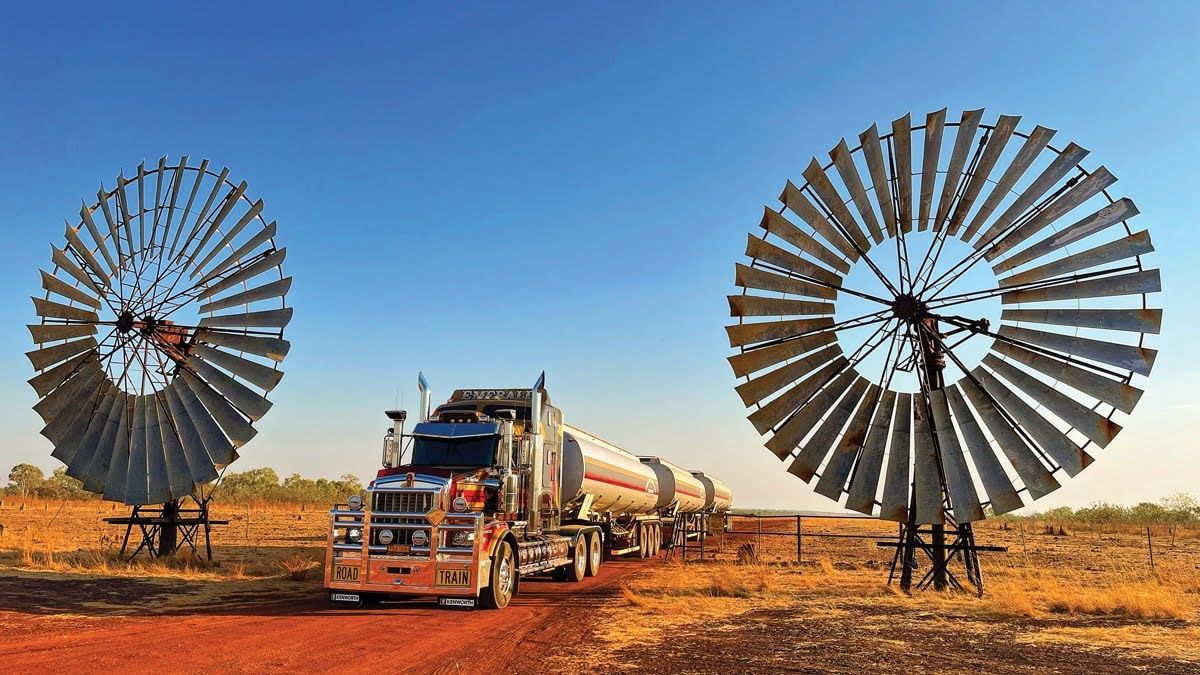
For Thomas Hill, trucking isn’t just a job—it’s a family tradition. As a third-generation truckie, Thomas grew up hearing stories from his father and grandfather about their days on the road. Today, he’s writing his own story behind the wheel of his Kenworth T659, hauling fuel across the Northern Territory and Queensland.

The job isn’t easy, but for Thomas, it’s the landscapes and freedom that make it rewarding. From the sunburnt outback to lush tropical highways while truck driving, every day brings a new view.

“It’s different every day,” Thomas Hill says, reflecting the spirit of adventure that comes with the profession.

Prominent truckie from NSW’s Hunter Valley, Hill’s story captures the romance of life on the road, a mix of hard work, family legacy, and the thrill of discovery.

Read Also: Isuzu Australia Releases Report on Truck Buyer Behaviour

David Wall: Following a Childhood Dream

David Wall’s journey through truck driving took an unconventional path. As a kid, he dreamed of driving big rigs, but life had other plans. He became a carpet layer, working in a trade that kept him grounded. Yet, his love for trucks never faded.

The 35-year-old truck driver took a leap of faith and started his own transport business before joining Hillman’s Transport as a road train driver. Today, he embarks on epic 6,300-kilometre round trips from Toowoomba to Darwin, hauling goods across Australia’s vast landscape.

For David Wall, the long hours and distance are worth it, trucking gives him the sense of freedom he always wanted. His story proves that it’s never too late to chase your dreams, even when they take you thousands of kilometres away from home.

Colin Reid: Four Decades of Trucking Adventures

Colin Reid’s career spans more than 40 years, and it’s been a journey as vast as the country he’s traversed. From Melbourne’s urban sprawl to the rugged outback of Darwin, Colin has hauled just about everything.

These days, Colin is based in Townsville, driving a Kenworth T909 to deliver goods to supermarkets and mines. His most recent job took him to Cobar, transporting containers from mine to port, a stark contrast to his earlier days of long-haul trucking.

For Colin Reid, it has always been the spice of life during his truck driving journey. His ability to adapt to new challenges keeps him engaged and passionate about his work. After decades behind the wheel, the Townsville-based truck driver still finds joy in the simple things: a smooth ride, a good route, and the satisfaction of a job well done.

From Peter’s unpredictable days helping stranded motorists to Colin’s decades-long journey across Australia, each driver brings a unique perspective to life on the road. Their stories are a testament to the resilience, dedication, and spirit of truck drivers everywhere, reminding us of the people behind the wheel, who keep our world moving every single day.

You May Also Like: Five Key Updates in the Trucking Industry from the past month

RFNSW Turns Down Port Botany Reform Plans

RFNSW rejected the Port Botany reform because it regarded the reforms as threatening the trucking profession. The proposed reforms were felt to reduce supply chain efficiency, thus increasing overall costs and operational ineffectiveness.

These conditions indicate increased financial burdens for freight operators and possibly more job losses in the industry.

By privatising the Port Botany Landside Improvement Strategy, Simon O’Hara, CEO of RFNSW, has publicly opposed the intended ‘risk infusion’ into the Strategy.

This ‘risk infusion’ refers to the potential introduction of uncertainties and financial burdens that could harm the wider community.

“Handing PBLIS over to private control would hurt not just trucking operators, but also the wider community,” O’Hara said.

O’Hara states that such an act would bring back years of efficiency and harm the wider community.

The Importance of Port Botany Landside Improvement Strategy (PBLIS)

PBLIS has long been part of Port Botany’s operational success, thus creating smooth interaction with trucking operators and port facilities. TfNSW has managed to keep Port Botany among the most efficient ports in Australia so far.

O’Hara emphasises that placing PBLIS under private management could dismantle this system. He asserts that such a change would only serve private interests rather than those of the public and small trucking businesses.

That is the view of RFNSW, which has more profound apprehensions about the costs and the possible inefficiencies that could cripple the whole commercial transport industry.

Key Issues with the Port Botany Reform

Stevedore Charges and Regulatory Oversight

One of the key issues raised by RFNSW is the removal of broad regulatory powers over stevedore charges. Since 2017, these charges have increased by over 900%, with additional hikes planned for January 2025.

O’Hara has described this recommendation as “particularly troubling,” highlighting the strain it places on trucking businesses already struggling with slim profit margins.

Time Slot Adjustments

Another controversial proposal involves the phased commencement of time zones, which suggests issuing timeslots in 30- or 15-minute intervals rather than the current hourly windows.

“Managing one-hour slots is challenging enough; these proposed changes would add another layer of complexity,” said O’Hara.

RFNSW contends that this would be more practical but cause absolute mayhem in scheduling for transport allocators and drivers.

Delays in Critical Goods Delivery

The reforms could also delay the delivery of critical goods such as medical supplies, pharmaceuticals, dangerous goods, bonded cargo, and food.

RFNSW warns that such uncertainties could result in higher costs and diminished consumer reliability. Delay of critical consignments can endanger public well-being and disrupt the whole system of supply chain efficiency.

Port Botany Reform Threats to the Trucking Industry’s Future

Rising Costs and Industry Attrition

The proposed reforms could exacerbate the financial difficulties faced by freight operators. Thus, some businesses have moved away from the sector, increasing-price burdens.

Some had to sell off their assets in losses because of the market forces at play. Considering the increased inefficiencies and financial stress, the RFNSW believes things can only worsen.

Impact on Family-Owned Business

Many family-owned trucking businesses, which have operated for generations, are particularly vulnerable to these changes.

O’Hara highlights that PBLIS has provided measurable benefits in truck turnaround times, a critical factor for small operators. Losing these benefits would jeopardise their survival in an already fragile market.

Latest News: Heavy Vehicle Travel Restrictions in Christmas and New Year 2024

RFNSW Call for Collaborative Solutions

As an organisation, RFNSW remains receptive to dialogue. Most stakeholders reject most reforms yet collectively contribute a more effective way to implement change. The reforms proposed would bring sound benefits to fiercer and more sustainable access at Port Botany.

“Freight volumes will require multi-modal solutions in the future, but rail shouldn’t come at the expense of efficient, cost-effective road freight movements,” O’Hara stated.

As New South Wales grows, reliable road freight services will become even more critical.

The Way Forward with Road Freight North South Wales (RFNSW)

Any refusal of RFNSW toward Port Botany Reform illustrates an indication of balanced possible action.

The organisation is concerned with costs becoming much higher, inefficient work, and risks associated with small businesses, which, as the example suggests, may have more serious ramifications for the freight industry and community society.

While RFNSW’s stance is clear, it offers a constructive path forward. Policymakers must discuss the proposals with stakeholders to preserve the industry’s stability from reform and refine them to develop a rail and road freight strategy.

Only when stakeholders are willing to collaborate can an equitable outcome be reached for all concerned.

Read More: Fleet Management Tips: Know How To Manage Heavy Vehicles?

Five Key Updates in the Trucking Industry from the past month

Five key updates in the trucking industry within the last month show that much more must be done in the areas of safety, efficiency, and sustainability. Therefore, these developments also illustrate the need for all parties involved in the industry to remain competitive by adapting to new technology and regulations.

The most frequent tagging updates concern fresh safety regulations that advocate against accidents and the introduction of AI-based tools and telematics to improve freight operations. Furthermore, we choose infrastructure projects to enhance the freight corridors where sustainability is still making strides by introducing green trucks.

There are also workforce issues around driver shortages and mental health initiatives that are industry-wide for the force.

1. Victoria’s Freight Plan Refresh

The Victorian government is revising its Freight Plan to address evolving industry needs and challenges. Input from over 150 stakeholders drives strategies to improve efficiency and ensure sustainable growth.

Some of the main goals are raising the network capacity to meet rising freight demands and reducing environmental impacts. Furthermore, specific measures would help the shift toward a low-carbon operation, aligning with the broader sustainability agenda.

2. Victorian Road Safety Competition Now Open

In collaboration with the Victorian government, the Transport Accident Commission (TAC) has launched the Split Second competition to promote road safety among young drivers.

The initiative raises awareness about critical issues such as fatigue and seatbelt use through creative campaign ideas. Participants can receive awards of up to $40,000, including a cash price of $5,000 and a production budget of $35,000 for realizing their vision.

This competition inspires creativity and allows young drivers to play an active role in making Victorian roads safer.

3. Towing Industry Reform Approved in WA

Western Australia has passed the Towing Services Bill 2024 to further the reforms planned for the towing industry. The regulations ensure that crash-towing operations become safer, fairer, and more just for all road users.

Key changes include banning spotter fees previously adding hidden costs for vehicle owners. Additionally, towing charges will be significantly reduced by capping and regulating them to ensure affordability, transparency, and better consumer protection.

Read Also: Heavy Vehicle Travel Restrictions in Christmas and New Year 2024

4. NHVR Rolls Out New Camera Technology

The National Heavy Vehicle Regulator (NHVR) has introduced 40 Automatic Number Plate Recognition (ANPR) cameras across Australia. Minimize and discourage high-risk behaviour with increased road safety monitoring at these cameras for heavy vehicle traffic.

Unlike traditional speed cameras, ANPR cameras focus on compliance and safety rather than issuing fines. The data collected enables officers to conduct targeted on-road safety checks, promoting safer practices within the freight industry.

5. Fatigue, Record-Keeping Infringement Penalties to be Reduced?

The National Transport Commission (NTC) has proposed reducing penalties for minor fatigue breaches under the Heavy Vehicle National Law. The suggested changes would see fines for minor infringements drop from $800 to $530, reflecting a fairer and more proportionate response.

ATA Chief Executive Mathew Munro was among the industry leaders who supported the review as a stepping stone toward greater compliance without overly punitive measures. According to the proposal, attaching safety with praxiology would permit productive communication between regulatory authorities and the freight business.

Why Are Five Key Updates in the Trucking Industry from the Past Month Important?

These five key updates in the trucking industry indicate a commitment to innovation, safety, and sustainability. Technological advancement and regulatory reform are among the changes shaping freight operations into a more efficient and responsible future.

Knowing such essential developments helps businesses be in touch with compliance and optimization processes. The trucking sector keeps evolving; as it does, we will be here to enlighten you with the latest trends and insights. Watch out for next month!

Read More: Five Key Updates in the Transport Industry This Week

Sal Petroccitto OAM Steps Down as NHVR CEO After 10 Years

Sal Petroccitto OAM, a transformative leader in Australia’s transport industry, has decided to step down as NHVR CEO after a decade of service. His resignation from the federal government became public on January 24, 2025.

Under his wing, the National Heavy Vehicle Regulator (NHVR) has astonishingly been developing and innovating as the central one-stop-shop agency for road transport safety and efficiency.

His departure will close a significant chapter in the NHVR’s history, as he will have a lifelong legacy.

A Decade of Leadership: Sal Petroccitto Contributions as NHVR CEO

Upon taking over the position of Chief Executive Officer of NHVR in 2014, Sal Petroccitto found himself at the helm of a much more complex system governing heavy vehicles than in any other country across the globe.

A decade later, the industry obtained reformed operational practices that guide its work. Lead the new developments concerning Petroccitto, focus on improving road safety, regulatory reform, and, most importantly, promote sustainability.

One of the ingredients in achieving this has been working collaboratively with industry stakeholders and the government. One of the most remarkable developments from Petroccitto is broadening the scope of NHVR to provide a good deal on trans-jurisdictional harmonisation of heavy vehicle laws.

This ensures high levels of compliance and less administrative burden on operators. The Safety and Compliance Program ensured that industry standards continued to evolve to meet the challenges of the modern environment, promoting safety in the workplace.

Under his guidance, NHVR also embraced digital transformation. So, like the NHVR Portal, which included innovations to simplify operator processes and make compliance with regulators more convenient and efficient, Petroccitto’s vision serves as a lasting heritage modernising NHVR.

Challenges and Triumphs During Sal Petroccitto Tenure

Petroccitto’s journey as NHVR CEO was not without its challenges. In recent times, the rapid evolution of the transport sector has brought with it an economic burden and technological advancement that requires adaptability and robustness. Petroccitto took such challenges with determination, focusing on collaboration and innovation.

The COVID-19 pandemic was one of the most significant challenges during his tenure. Disruptions were all over the transportation sector, and Petroccitto worked itself to death to ensure that essential freight services were safe. Clear communication enhanced proactive decision-making and paved the way through the crisis.

Despite facing these challenges during his tenure, he achieved significant milestones. He introduced advanced fatigue management systems and established new safety standards. He is committed to improving the well-being of heavy vehicle operators. These achievements consolidated NHVR’s status as a very progressive regulator.

Read More: Five Key Updates in the Trucking Industry from the Past Month

Sal Petroccitto Vision for the Future of Transport

Throughout his career, Sal Petroccitto has been an unwavering champion of innovation for the greater good of the transport sector. He sets an example for those following him by suggesting that regulation links to new technology. As he walks away, Petroccitto leaves a road map extending the progress journey.

Petroccitto is a great proponent of sustainability in transport. He promoted programs under the NHVR that would greatly impact the environment when heavy vehicles are used. The NHVR also intended to facilitate the uptake of clean technology and improved fuel efficiency.

Petroccitto’s contributions extended to a commitment towards partnership-building. He believed in the sorcery of operating with other essential industry influencers and policymakers to be transformed. That proved to be the necessary conditions under which NHVR could respond to the sector’s needs without compromising its regulation.

Sal Petroccitto Early Life and Educational Foundation

Sal Petroccitto rose as a significant personality in Australia’s transportation industry due to his solid educational background. He earned a Bachelor of Applied Science in Built Environment (BASc.) from Queensland University of Technology.

He also secured a degree in urban and regional planning as proof of his passion to achieve precision and finesse in the often complex and elaborate artifacts of infrastructure and logistics.

Petroccitto pursued management studies at the Metropolitan South Institute, offering him appreciable business insight. The same year, 2020, he attended a program at the Australian Institute of Company Directors, which he completed and further honed his attitude toward strategic leadership. Such diverse education makes him well-prepared to wade through the challenging waters of the NHVR CEO.

Read Also: Five Stories From The Road: The Lives Of Truck Drivers

Awards and Accolades of Sal Petroccitto

Over the last ten years, Sal Petroccitto has had extensive leadership of the NHVR, which has left his mark on the entire Australian transport sector. Numerous awards have recognised these enhancements to the industry.

In 2024, Petroccitto was named Executive of the Year by the CSIA—Australia Service Excellence Awards for outstanding work with the NHVR. This honour demonstrates his commitment to furthering excellent innovation at the core of transportation regulation.

Petroccitto received the Medal of the Order of Australia in 2023 for his outstanding contribution to the road transport industry. This award, added to the others he has already received, conclusively proves that he has higher-than-usual qualifications about the parameters—safety, efficiency, and sustainability—applicable to his trade as a whole.

Stepping down, Sal Petroccitto leaves behind a legacy of progress and innovation. His high leadership benchmark would serve as a model for future NHVR chief executive officers by ensuring that the body continued to change with the industry’s changing needs.

Isuzu Australia Releases Report on Truck Buyer Behaviour

Isuzu Australia has released its 2024 edition of the Future of Trucking Report, a resource that extensively discusses nationwide truck buyer behaviour and industry trends.

The report draws on insights from over 1,300 survey respondents in various sectors, providing a comprehensive view of the challenges and evolving dynamics in the Australian trucking landscape.

Truck Buyer Behaviour: Adapting to Industry Challenges

Despite eroding profit margins, escalating fuel costs, and talent shortages in the trucking industry, it still demonstrates positive endurance.

“If the current state of Australia’s road transport industry and related sectors could be distilled down into one descriptor, I’d have to opt for the word ‘change,’” Ben Lasry, Chief of Sales & Aftersales at Isuzu Australia, said.

Lasry also stated that the road transport sector is evolving unprecedentedly across multiple fronts. This adaptability is a testament to the industry’s resilience and potential for growth.

Exactly 50 per cent of surveyed businesses show that they are expecting some quick changes in their industry with the advent of technology, regulatory modifications, and freight demands in just three years.

Procurement Shifts Towards Cost Efficiency

The trend analysis regarding procurement indicates changes in purchase preferences, wherein the operators are going more for the total cost of ownership (TCO) rather than the initial purchase prices. As many as 71% of the firms now consider the TCO while making their purchasing decisions, a rise of 7% from 2020.

Furthermore, the preference for prebuilt trucks and ready-to-work continues to grow, with 71 per cent of the respondents favouring these options. The procurement shifts further show the expected preference for efficient options that are significant to operation and fast assimilation into already existing fleets.

Safety and Technology Take Centre Stage

The report consequently states the industry’s unyielding commitment to safety. There has been an apparent increase in the installation of active safety features everywhere.

Variable-speed cruise control, automatic emergency braking systems, and lane-departure assistance systems are gradually becoming standard in most fleets for the safety of drivers and the public.

With concerns regarding driver safety, monitoring driver behaviour and increasing fleet efficiency, telematics systems are witnessing growing adoption.

Compliance-related issues and the operational scale usually dictate where larger businesses and government operators implement telematics.

Electric Vehicles: A Mixed Outlook

According to the Isuzu surveys, there is a strong interest in EVs because 91% of the businesses showed some understanding about adopting a zero-emission strategy within the next ten years.

Still, the enthusiasm is tempered, mainly because of the varied timing for widespread adoption and concerns about charging infrastructure and long charging times.

Despite expectations that electric trucks will play a significant role in Australia’s transport future over the next 10-15 years, particularly in the transport, postal services, and warehousing sectors.

Also Read: Driving Towards a Sustainable Future: Six Developments this Month in the Trucking Industry

Maintenance and Compliance: A Key Focus

The report seriously postulates the role of proper truck maintenance and adherence to the Chain of Responsibility (CoR) laws as the resultant future importance of the industry.

The report also provided the importance of correct truck maintenance and compliance with the Chain of Responsibility (CoR) laws.

While 70% of businesses have developed or are developing CoR policies, 30% still need comprehensive strategies, raising concerns about safety and legal compliance.

Original equipment manufacturer dealerships usually do significant repairs because they are inclined toward fine artistry and have access to original parts.

Additionally, OEM components are preferred, with businesses citing benefits such as improved compliance and vehicle uptime.

Isuzu Australia: Insights into Truck Buyer Behaviour and Industry Evolution

The Future of Trucking Report depicts an industry well conditioned to deal with future rapid changes in emphasis on sustainability, technology integration, and strategic planning as it continues to adapt at a fully rapid pace.

Isuzu Australia also states that it will face the challenges posed by the industry to ensure future growth and prosperity.

The report clarifies that as the industry faces economic impetus and regulatory pressure, operators also seem willing to seek innovative solutions to achieve an autonomous and efficient future.

Explore More: Maintaining CoR Compliance with Manage Vehicle Software

Safe Container Loading Seminars Set to Take Place Across Australia

Best practices in packing cargo, correctly restraining loads, and safely transporting shipping containers will be the focus of a series of eight safe container loading seminars across Australia in October and November.

Container Transport Alliance Australia (CTAA) hosted the safe container loading seminars in collaboration with Freight & Trade Alliance (FTA), the Australian Peak Shippers Association (APSA), and safety management firm CoR secure.

Not just that, transport practices and safe container loading seminars will aim to promote safety and efficiency in shipping logistics.

HVSI and NHVR Support Safe Container Loading Seminars

The Heavy Vehicle Safety Initiative (HVSI) supported the series of safe container loading seminars. Moreover, the National Heavy Vehicle Regulator (NHVR) administered the forum on behalf of the Australian Government.

Container Load Imbalance and Safety Risks

Data from National Transport Insurance (NTI) shows that container-laden heavy vehicles are 36% more likely to experience a truck rollover compared to those carrying general freight.

A leading cause of these accidents is vehicle instability due to unbalanced or inadequately restrained loads within shipping containers.

In many cases, heavy vehicle drivers are unaware of how the shipping container has been packed or if the cargo has been properly secured.

Load shifts inside containers, unbalanced loads, and high centres of gravity all contribute to potential accidents, posing risks not only to road transport but also to rail, terminal operations, and sea freight.

Misdeclared container weights also pose a significant risk in the logistics chain. Cargo owners and container packers may innocently or deliberately misdeclare container weights, leading to overloaded containers.

These can result in serious safety hazards and now carry significant penalties if identified.

Promoting Safe Practices and Key Resources at Seminars

CTAA Director Neil Chambers emphasized that the safe container loading seminars aim to encourage best practices in both connex packing and cargo restraint, highlighting safety and commercial benefits.

“We’ll also raise awareness of available best practice resources,” Mr. Chambers stated.

One key resource to be presented at forum is the Safe Container Loading & Transport Guide, published by CoRsafe in partnership with CTAA.

This guide provides a clear explanation of legal and practical obligations for stakeholders in the container logistics chain, including overseas suppliers and container packers, using straightforward language accessible to frontline staff.

Promoting Guide Distribution Across Supply Chains

Chambers encouraged Australian businesses to share the guide with their overseas partners to ensure proper standards are met when loading containers bound for Australia.

Similarly, we urge Australian exporters to distribute the guide to their supply chain partners to promote best practices. So, the full guide is available for download at logss.com.au/container-guide.

Seminar attendees will also gain access to a condensed version of the guide, along with a simplified Chinese version for overseas distribution.

Expert Speakers and Panelists at the Seminar

  • NHVR and WorkSafe regulatory representatives
  • Container terminal representatives on container gross mass (VGM) mis-declarations and container check weighing
  • Chain of Responsibility (CoR) experts
  • Marine insurance specialists
  • Cargo restraint experts
  • Biosecurity and container cleanliness experts
  • Road transport and telematics experts discussing on-board mass (OBM) technology
  • Experts on container reuse and exchange practices

Dates and Locations of Safe Container Loading Seminars:

  • BRISBANE: Wednesday, October 16, 2024
  • TOOWOOMBA: Thursday, October 17, 2024
  • SYDNEY: Tuesday, October 22, 2024
  • MELBOURNE: Tuesday, October 29, 2024
  • SHEPPARTON: Thursday, October 31, 2024
  • WAGGA WAGGA: Friday, November 1, 2024
  • PORT ADELAIDE: Tuesday, November 19, 2024
  • FREMANTLE: Wednesday, November 20, 2024

Ultimately, these safe container loading seminars present a unique opportunity for industry professionals. Therefore, this summit will gain valuable insights into secure connex handling, improve their practices, and network with experts across the logistics sector.

Five Trucking Industry Updates from September

This month brought major developments in Australia’s trucking industry, impacting the road infrastructure, getting international recognition in trucking innovation, and involving notable awards in logistics. In this blog, we provide a round-up of some of the major events.

1. $177 Million in Road Upgrades for WA’s Mid West Gascoyne Region

Significant progress was made as $110 million has already been spent upgrading 1,050 km of roads in Western Australia’s Mid West Gascoyne. An additional $67 million is set to fund further projects aimed at reducing single vehicle run-off crashes, a leading cause of road fatalities. Three major upgrades will be completed by year-end, with more scheduled for 2025. Read more

2. International Truck of the Year 2025: Mercedes-Benz eActros 600

The electric motors generate a continuous output of 400 kW, as well as a peak output of 600 kW. Image: Daimler Truck

The battery-electric Mercedes-Benz eActros 600 was awarded the International Truck of the Year 2025 in Germany. This heavy-duty, long-haul truck was praised for its innovative technology, energy efficiency, and impressive 500 km range without needing intermediate charging. Its electric axle and advanced driver-assist systems are seen as a major step forward in sustainable transport. Learn more

3. MEGATRANS 2024 Mercury Awards Winners

MEGATRANS 2024, Australia’s largest logistics expo, culminated in the prestigious Mercury Awards. Winners included CEVA Logistics for their Zero Waste project, MachShip for their freight management software, and Allotrac for their AI-powered assistant. The event highlighted technological advances across the supply chain and logistics industries. Read more

4. Oxley Highway to Receive $11.5 Million Safety Upgrades

In a bid to improve road safety, the NSW government announced a $11.5 million upgrade to a 6 km stretch of the Oxley Highway. This project includes widening the pavement, rehabilitating nine culverts, and ensuring safer turning at intersections. The work is scheduled to take eight months, significantly enhancing the road’s flood resilience. Learn more

5. Construction of Fremantle’s New Traffic Bridge Begins

The WA government says the new bridge will provide safer, better connections for the community. Image: Main Roads WA

One of Fremantle’s largest infrastructure projects commenced with the construction of a new extradosed traffic bridge. The bridge, expected to be completed in 2025, will feature two lanes in each direction, wider paths for cyclists and pedestrians, and improved waterway clearance. This unique design promises to enhance connectivity for the region. Read more

Thank you for tuning in to this monthly news digest, stay tuned for more in the future.

Maintaining Compliance with Shift Management

In transportation and logistics, compliance is critical. Drivers and fleet operators must maintain accurate records to meet legal requirements and avoid penalties. One major challenge is shift management – tracking hours, ensuring rest breaks, and keeping up-to-date records for audits. Manage Vehicle’s new FCS Shift feature solves this challenge, making compliance easier.

The Importance of Shift Management in Compliance

Compliance regulations, like those from the National Heavy Vehicle Regulator (NHVR), demand strict tracking of driver shifts. These include working hours, rest breaks, and fatigue management. Failure to comply can result in heavy fines. Manual methods often lead to mistakes, missing logs, and inconsistencies. Real-time, accurate data is essential to keep operators compliant and ensure road safety.

Meet the FCS Shift Feature: Browser and Mobile App

Manage Vehicle’s FCS Shift feature, available on the mobile app, streamlines shift tracking for drivers and managers. It eliminates manual logs, replacing them with a simple, user-friendly digital tool.

With a swipe, drivers can log in and out of shifts. The system stores these records instantly and accurately.


These records are stored in an orderly fashion and can be accessed any time!

While drivers have the mobile app, fleet managers use the web app to access information. In real time, fleet managers can see what their drivers are up to. This is as convenient as shift tracking gets.

As shown in the image, the platform provides a detailed dashboard for managing pre-operation checklists, mass management, work diary and more. With all this information laid down in an easy-to-use interface, this software takes a huge burden off of the fleet manager’s chest.

The Benefits of Digital Shift Management

The shift from manual to digital record-keeping offers significant advantages for fleets of all sizes:

  • Accuracy: By eliminating the manual process, FCS removes the chance of human error, ensuring that all shift records are accurate.
  • Time Efficiency: Drivers and managers save valuable time by using a digital tool to track and access shift data.
  • Paperwork Reduction: The digital nature of the FCS Shift feature eliminates paperwork, helping businesses move toward more sustainable, paperless operations.
  • Improved Audits: Since all records are organized and stored digitally, they can be easily retrieved and presented during audits, streamlining the process and reducing stress.

Flexibility and Accessibility

One of the standout features of FCS is its flexibility and ease of use. Drivers can log their shifts anywhere, anytime, using their mobile devices. Whether they’re starting a shift in Sydney or taking a rest break in Melbourne, all shift data is available at their fingertips. Fleet managers, in turn, can monitor compliance from any location, making the system highly adaptable to the needs of modern transport businesses.

Making Compliance Stress-Free

The FCS Shift feature isn’t just a tool for tracking hours – it’s a game-changer for compliance management in the transport industry. By providing a simple, accessible way to log shifts and keep records up to date, Manage Vehicle’s app reduces the administrative burden on both drivers and managers. The result? A smoother, more efficient compliance process that helps keep drivers safe, fleets compliant, and operations running smoothly.