AI-Driven Predictive Maintenance for Fleet Excellence

Australia’s transport and logistics industry is increasingly turning to AI-driven predictive maintenance to address operational challenges like rising fuel costs, regulatory compliance, and unplanned downtime.

Do you know? Many transport businesses are leveraging AI to monitor vehicle health in real time, using IoT sensors to track engine performance, fuel efficiency, and component wear.

This shift has already yielded significant benefits came as downtime reduced by 35% and maintenance costs by 25% by adopting AI-powered fleet systems like Manage Vehicle.

For Australia’s vast and remote freight routes, where breakdowns can disrupt entire supply chains, predictive maintenance ensures fleets remain operational, compliant, and cost-effective.

What are Benefits of AI-Powered Predictive Maintenance?

AI-powered predictive maintenance uses artificial intelligence, machine learning, and IoT sensors to anticipate equipment failures before they occur.

AI-Driven Predictive Maintenance for Your Fleet Business
AI-Driven Predictive Maintenance for Your Fleet Business.

Unlike traditional reactive or preventive maintenance, which relies on fixed schedules or post-breakdown repairs, AI analyzes real-time data such as vibration, temperature, and pressure, to identify anomalies and predict issues with precision.

  • Reduced Downtime and Vehicle Costs

AI predicts failures before they escalate, slashing unplanned downtime by up to 45% and lowering maintenance costs by 25 to 30%. For instance, a global manufacturer saved millions within three months of deploying AI across 10,000 machines.

  • Enhanced Safety and Compliance

Proactive maintenance minimizes risks like brake failures or engine malfunctions, ensuring vehicles meet safety regulations. This is critical in highly regulated sectors like logistics, where compliance breaches can result in fines or operational halts.

  • Long-Term Asset Health

AI extends equipment lifespan by 20–30% by addressing issues like wear and tear early. It also optimizes energy usage, reducing fuel consumption and carbon emissions.

Here’s How Manage Vehicle Leverages AI for Fleet Excellence

Manage Vehicle (MV) is a cloud-integrated fleet and compliance management system that harnesses AI-powered predictive maintenance to transform fleet operations.

Cloud Integrated Predictive Maintenance for Transport Business and Logistics
Manage Vehicle’s cloud-driven technology gives you predictive maintenance alerts in real-time and save additional costs.
  • Vehicle Tracking and Real Time Insights

By integrating IoT sensors with advanced analytics, MV continuously monitors vehicle health, tracking parameters like engine temperature, tire pressure, and brake wear in real time.

  • Smoother Compliance Regulations

For compliance, MV automates regulatory adherence by tracking hours-of-service (HOS), inspection reports, and emissions standards.

Its cloud-based platform centralizes data across fleets, providing actionable insights through intuitive dashboards and automated alerts. This ensures managers can schedule maintenance during optimal periods, avoid violations, and reduce costs.

  • Fleet Maintenance Alerts and Cost Reduction

In the long run, MV’s AI-driven approach not only prevents costly breakdowns. It also optimizes fleet utilization, reduces fuel consumption, and enhances driver safety.

For example, companies using similar systems have reported a 10x return on investment and a 70% drop in equipment failures.

Why Trust Manage Vehicle for Your Transport Operations?

Manage Vehicle stands out by combining predictive maintenance with comprehensive compliance tools in a single platform. Its features include:

  • Real-Time Asset Monitoring: IoT sensors feed data into the cloud, enabling 24/7 asset tracking.
  • Automated Alerts: Instant notifications for maintenance needs or compliance deadlines.
  • Scalable Solutions: Suitable for fleets of all sizes, from local transporters to multinational logistics firms.
  • Integration Capabilities: Seamlessly connects with existing systems like Enterprise Resource Planning (ERP) and Computerized Maintenance Management System (CMMS).

By adopting MV, fleet managers shift from reactive firefighting to proactive strategy, ensuring smoother operations and higher profitability.

Predictive Maintenance Alerts in Real Time
Manage Vehicle’s predictive maintenance feature can save your transport business from paying extra repairing costs and vehicle service charges.

Ready to future-proof your fleet? Schedule a free demo of Manage Vehicle today and experience how AI-powered predictive maintenance can slash costs, boost compliance, and keep your assets running longer.
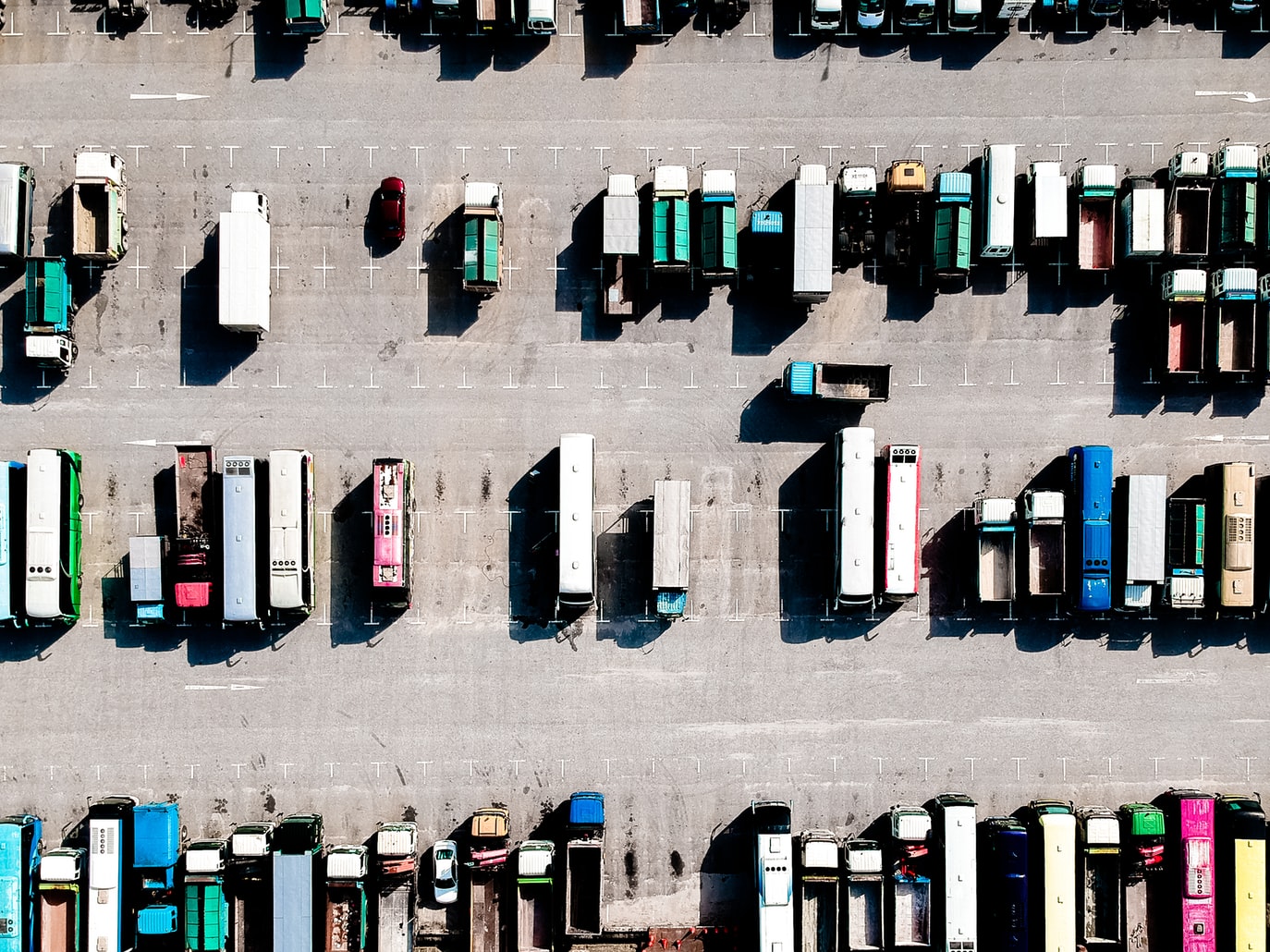
Solutions to Common Challenges Faced in Fleet Management

Fleet management systems tackle problems such as finding drivers, managing fuel expenses, and protecting vehicles.

Plant maintenance crews are often overburdened. When forced to manage competing goals, they frequently resort to innovative problem-solving to keep essential assets operational.

Fleet management often falls to the bottom of the priority list during digital projects. As a result, organisations postpone appropriate expenditures for service and maintenance. While this is reasonable, it is also risky.

Fleet vehicles perform best with regular preventive maintenance, just like shop-floor gear and equipment. Current asset management technology helps keep the fleet operational without disrupting other shop-floor operations.

Here’s Solutions to Key Challenges in Fleet Management

1. Mitigating Driver Shortages

In the last decade, one of the main worries for fleet managers has been a driver shortage. Analysts predict a shortage of 250,000 delivery drivers by 2022 due to increasing freight demand and stagnant new driver applications.

Hiring new drivers can create safety concerns that need close attention to prevent accidents. However, technology offers a way to solve this issue by letting companies keep an eye on driving behaviour and make sure drivers follow safety rules.

Nevertheless, while these systems provide benefits, they also increase the complexity of fleet management.

2. Managing Fuel Costs with Efficient Technologies and Strategies

Fuel prices are volatile and subject to increasing government regulation. Despite the recent drop in fuel prices, fuel costs remain unpredictable. Governments may raise fuel costs as they increase investments in renewable resources.

Fleet managers are constantly looking for ways to reduce fuel consumption. Advanced driver monitoring systems can help drivers reduce fuel consumption.

Fuel-efficient technologies such as hybrid and full electric trucks, along with advanced route planning, are other ways to reduce fuel consumption.

The vehicle management system includes fuel costs in each vehicle’s life-cycle cost, so accurate monitoring of usage is essential. Although fuel-efficient cars can help save money, it’s important also to consider the cost of maintenance.

3. Enhancing Security for Drivers, Vehicles and Cargo

The security of drivers, vehicles, and cargo is always a concern. Theft is not always the top concern but is a severe risk. Cargo theft is particularly problematic in high-value industries, such as oil and gas, pharmaceuticals and electronics.

Maintenance personnel will be a vital line of defence in ensuring the safety of transportation and vehicle use in plants.

Technicians will need to examine and verify that backup systems and protections are in place. They will also monitor the technologies involved in fleet operation, from dispatch to sensors that track brake fluid levels.

Also Read: How Much Do Truck Drivers Earn in Australia? Salary & Wages

The Rise of Digitalisation in Fleet Management

Technological advances will continue to change how we operate. Digitalisation is changing the way we work. It offers opportunities but also puts pressure on first- and third-party fleet managers.

Digitalisation presents new challenges to fleet management. That’s why it’s essential to implement a fleet management system that can adapt to the ever-changing landscape.

As assets become increasingly intelligent and digitalised, fleet managers will have to find new ways to monitor and manage them.

Strategies for Green Fleet Management in a Changing World

New environmental legislation and regulations are pushing businesses toward green fleet management. Due to rising fuel costs and the urgency of climate change, fleet managers are looking for ways to lessen their fleet’s environmental impact.

Low-emission vehicles are often considered a solution. However, in some regions where demand for freight transport is high and new delivery drivers are hard to recruit, more conventional means of transport may be the more cost-effective solution.

Fleet managers are also looking at reducing the environmental impact of vehicle storage and parking. According to the GEOTAB website, the top three ways fleets can improve their environmental impact are:

  • Reduce idling
  • Improve fuel efficiency
  • Optimise route planning

Fleet managers can also conserve energy, save money, and improve the environmental impact of their fleet by making sure vehicle charging systems work correctly.

Read More: How E-Commerce has Changed Logistics Industry in Australia?

Driving Fleet Management Success with Manage Vehicle

While there are challenges to effective fleet management, these challenges are not insurmountable. Approaching fleet management strategically, making suitable investments and implementing IT tools can make a difference.

Purchasing specific fleet management software and hardware tools is not enough. Successful fleet management takes careful planning, established processes and a culture that supports fleet management.

As with any other business initiative, success relies on the buy-in and participation of all affected parties.

For advanced fleet maintenance software and systems, contact Manage Vehicle today! We provide vehicle management solutions that reduce costs and prolong vehicle life for fleets of all sizes.

Check out our GPS tracking system’s features and get a quote now!