Commercial vehicle theft recovery in Australia isn’t a single number; it varies dramatically depending on what’s stolen, and understanding that gap is the difference between generic advice and an actual risk strategy for your fleet.
What the National Data Actually Shows
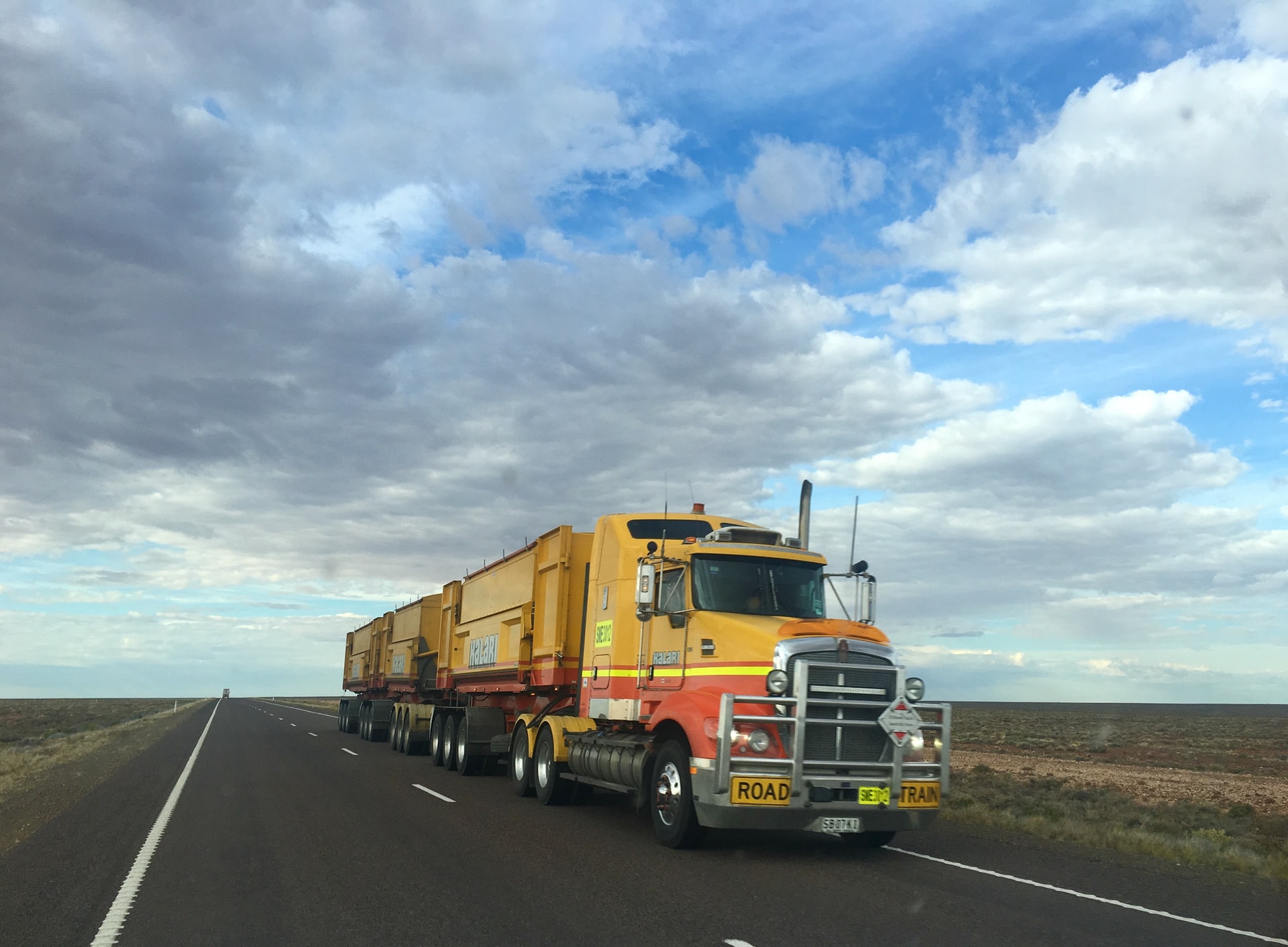
Australia’s official vehicle theft data comes from the National Motor Vehicle Theft Reduction Council’s CARS database, a nationally consistent dataset drawing on every state and territory police service, going back to 2000. According to the Australian Institute of Criminology’s analysis of this data, recovery rates differ significantly by vehicle class: trucks sit at the lower end of the range, around 72%, while buses are recovered at a notably higher rate, around 83%.
That gap matters. It means a stolen truck is meaningfully less likely to come home than other commercial vehicle types — which makes prevention and fast detection more important for truck and heavy-vehicle operators specifically, not just fleets in general.
Why Recovery Rates Differ by Vehicle Type
The NMVTRC’s data also shows theft rates vary by vehicle age, with older vehicles historically targeted at higher rates than newer ones, a pattern that has shaped how insurers and fleet operators think about risk across a mixed-age fleet. For commercial operators running vehicles of varying age and value, this means risk isn’t evenly spread across the fleet; older, higher-mileage units may warrant closer monitoring, not just the newest additions.
What Actually Improves Recovery Odds
The clearest lever fleets have is speed of detection. The longer a stolen vehicle goes unreported and untracked, the further it can travel and the more likely it is to be stripped, re-plated, or moved interstate before recovery efforts catch up. Real-time location visibility- knowing within minutes that a vehicle has left its expected area or route is what turns a theft into a same-day recovery rather than a written-off asset.
Practical measures worth having in place:
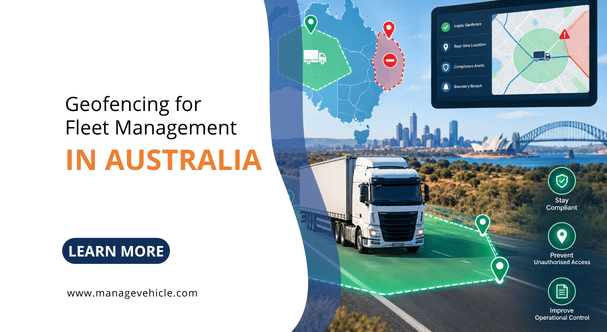
- Geofencing on regular routes and depot locations, so unexpected movement triggers an alert immediately rather than being noticed hours later
After-hours movement alerts – most commercial vehicle theft happens when vehicles are parked and unattended, not while in active use
A documented response process – who gets alerted, who contacts police, and how quickly, since a fast police report paired with live location data meaningfully improves recovery chances
Remote immobilisation capability, where available, to stop a vehicle in progress rather than only tracking it after the fact
The Bigger Picture for Fleet Risk Management
Vehicle theft sits alongside — not separate from — the same operational data fleets already collect for compliance and maintenance. A fleet that already has real-time visibility into vehicle location and movement patterns for route and compliance purposes is, by extension, far better positioned to detect an anomaly early than a fleet relying on manual check-ins or paper logs.
Manage Vehicle’s real-time tracking and geofencing give fleet managers the same location visibility used for route and compliance monitoring — extended to flag unexpected movement the moment it happens, not after a vehicle has gone missing for hours.